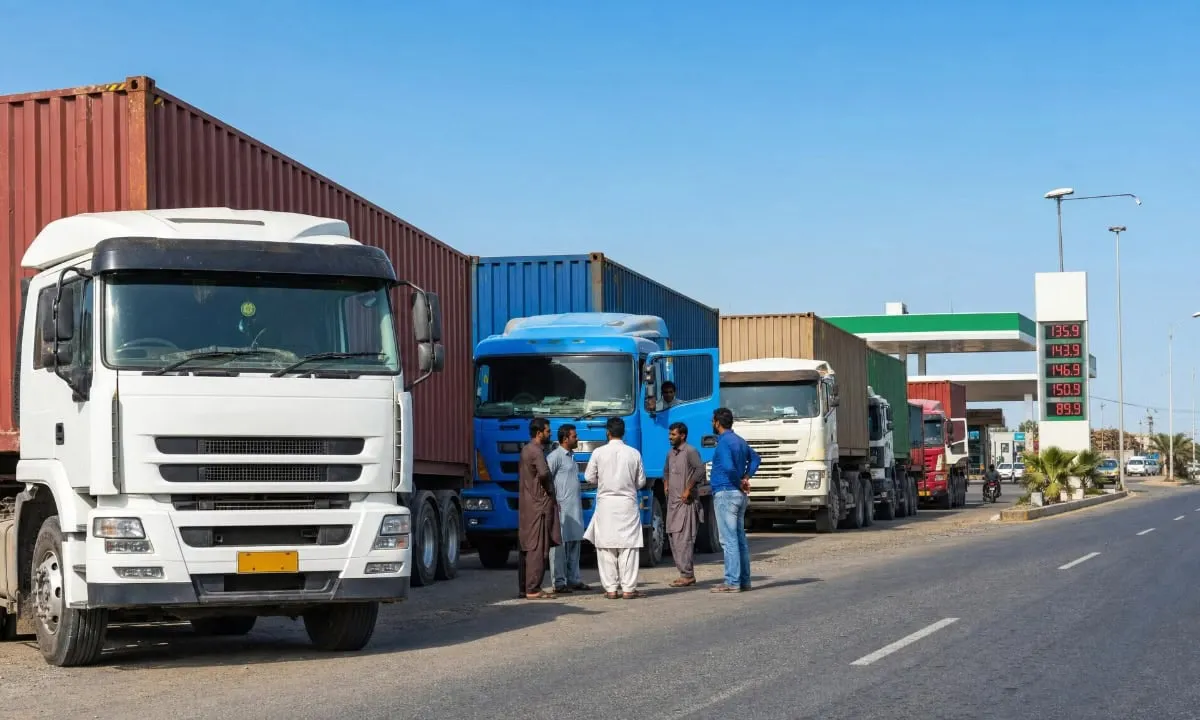
Goods Transport Charges Reduced by 5% Across Pakistan
Goods transporters across Pakistan have announced a 5 percent reduction in freight charges following recent cuts in petrol and diesel prices, providing potential relief to businesses and consumers. This nationwide adjustment comes as a direct response to shifting economic variables within the energy sector, specifically the downward trend in fuel prices over a designated monitoring period. Supply chain operators and commercial entities alike are reviewing their logistics budgets in light of this significant tariff revision.
President of the All Pakistan Goods Transport Ittehad Malik Shehzad Awan announced the decision on November 26, saying lower petroleum prices over the past 20 days had prompted transporters to reduce their charges nationwide. He welcomed the government fuel price cuts, noting that reduced transportation costs could benefit the public. The announcement marks a notable shift in the operational dynamics between private transport providers and state energy pricing mechanisms.
How Fuel Price Reductions Impact Freight Rates in Pakistan
Fuel expenses represent the single largest operational overhead for commercial truck operators, fleet owners, and logistics enterprises operating across the country. When the government adjusts the retail rates of high speed diesel and motor spirit downwards, the immediate relief filters through the secondary and tertiary sectors of commerce. Transporters operate on thin margins where minor fluctuations in fuel costs dictate the financial viability of long haul and short haul freight journeys.
The calculation of freight charges depends heavily on distance, vehicle weight capacity, road conditions, and current fuel consumption ratios. By lowering rates by 5 percent, transport associations aim to pass on the savings realized during the preceding 20 days of discounted petroleum products. This mechanism ensures that commercial freight pricing remains closely tethered to prevailing energy market realities.
Role of All Pakistan Goods Transport Ittehad in National Commerce
The All Pakistan Goods Transport Ittehad acts as the primary representative body for commercial vehicle owners, truck operators, and freight forwarders across the provinces. Under the leadership of Malik Shehzad Awan, the organization coordinates policy responses, negotiates with state regulators, and addresses grievances affecting the transport community. Its decisions carry nationwide authority, influencing commercial corridors from Karachi port terminals up to the northern border regions.
Logistics networks managed by these operators form the backbone of the domestic manufacturing and agricultural sectors. Without a stable and cost effective freight network, factories cannot receive raw materials on schedule, and farmers cannot dispatch perishable crops to major urban markets. The recent rate cut underscores the sector responsiveness to macroeconomic indicators and government fiscal policy adjustments.
Demands for Further Relief and Outstanding Commitments
Awan also urged the government to further lower petrol and diesel prices and implement commitments made by federal and provincial authorities during nationwide transport strikes in August and December. Transport leaders have long argued that excessive taxation on petroleum products places an unfair burden on commercial carriers and ultimately drives up inflation for ordinary citizens.
The previous strikes highlighted deep seated grievances regarding toll tax structures, highway security, regulatory harassment, and arbitrary fines imposed by provincial transit authorities. While the current 5 percent freight reduction demonstrates goodwill from the transport community, outstanding administrative agreements require urgent attention from state functionaries to prevent future disruptions in the supply chain.
Economic Impact on Industrial Activity and Consumer Prices
He highlighted the importance of goods transportation to Pakistan economy, particularly for industrial activity, trade, and the supply of essential commodities. The 5 percent reduction could help businesses cut logistics expenses for transporting raw materials, agricultural produce, and finished goods. Lowering freight expenses directly translates into reduced production costs for factories, which can subsequently stabilize or lower prices for retail consumers.
Agricultural supply chains stand to gain substantially, especially during harvest seasons when timely movement of grain, fruits, and vegetables prevents spoilage and market gluts. Retailers and wholesale traders managing distribution networks across multiple provinces will observe measurable savings in their monthly ledgers, easing the pressure of high operational overheads caused by broader inflationary trends.
What Lies Ahead for Pakistan Logistics and Transport Sector
Market observers and business analysts will monitor retail inflation indices and transport sector performance metrics in the coming weeks to measure the practical reach of this rate adjustment. Businesses are advised to update their vendor contracts and shipping agreements to reflect the new 5 percent reduction in freight charges. Stakeholders should continue tracking announcements from petroleum regulatory bodies and transport unions for any subsequent revisions to fuel tariffs or transport policies.