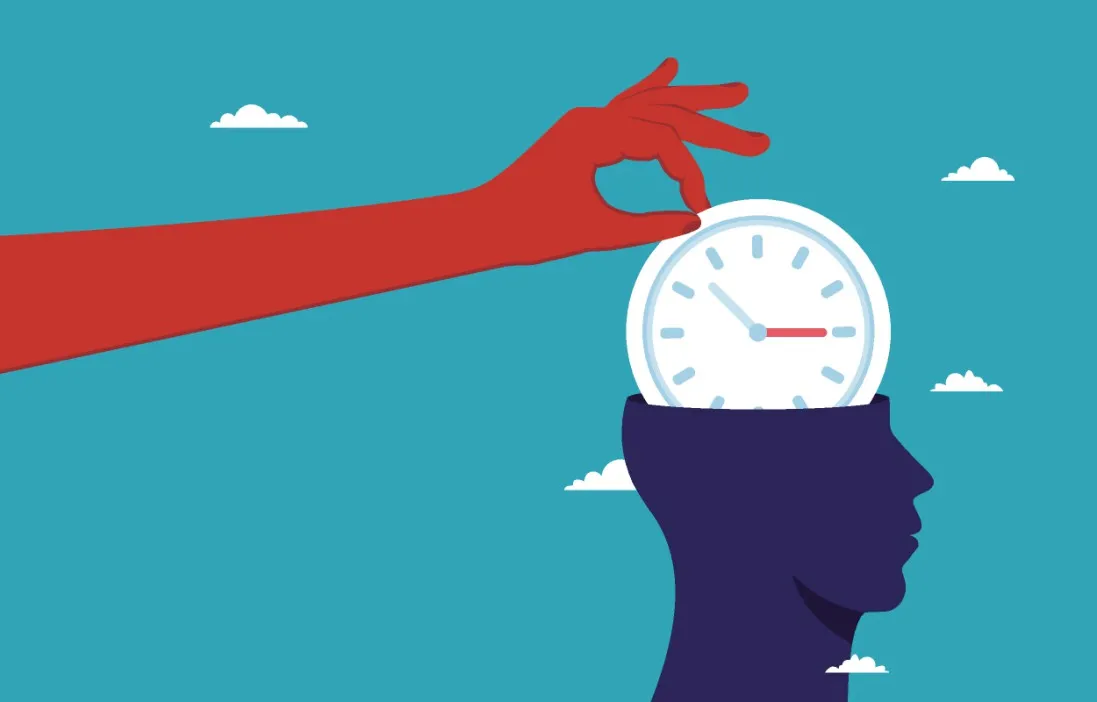
Scientists have identified a fresh form of depression known as body clock or circadian depression. Experts at the University of Sydney state that up to a quarter of individuals dealing with the mental health condition could possess this little-known subtype.
Depression leads to low mood and feelings of guilt, hopelessness, or despair. Stressful life events, physical health problems, or family history can trigger it. Well known subtypes include postnatal depression, which is low mood following childbirth, along with seasonal affective disorder, a recurrent form usually occurring during winter or seasonal transitions.
Australian researchers proposed a more severe variety connected to disruptions within the internal body clock. Antidepressants might not work as effectively against this form.
The circadian rhythm functions as the twenty-four hour clock followed by the body, assisting individuals in falling asleep and waking at reasonable times. Investigators argued that disturbances in this natural cycle can trigger a depression form affecting younger people, frequently women, featuring specific traits.
These traits involve social jetlag, representing a mismatch between biological clocks and social duties, excessive morning and daytime sleepiness, weight gain, and symptoms tied to seasonal changes.
Dr Emiliana Tonini, first author from the Brain and Mind Centre, stated, "Depression is not a uniform illness and understanding the characteristics of different subtypes means that we can give people earlier access to treatments that will be most effective for them." She added, "Our research has identified circadian depression as a new subtype, which could affect around a quarter of people with severe, recurrent or persistent depression."
What are the symptoms of depression?
The psychological symptoms of depression include:
- continuous low mood or sadness
- feeling hopeless and helpless
- having low self-esteem
- feeling tearful
- feeling guilt-ridden
- feeling irritable and intolerant of others
- having no motivation or interest in things
- finding it difficult to make decisions
- not getting any enjoyment out of life
- feeling anxious or worried
- having suicidal thoughts or thoughts of harming yourself
The physical symptoms of depression include:
- moving or speaking more slowly than usual
- changes in appetite or weight (usually decreased, but sometimes increased)
- constipation
- unexplained aches and pains
- lack of energy
- low sex drive (loss of libido)
- disturbed sleep, for example, finding it difficult to fall asleep at night or waking up very early in the morning
Source: The NHS
Experts unconnected to the study showed skepticism regarding the theory put forward by the researchers.
Prof Andrew Coogan, from Maynooth University, noted, "We have known for a long time that major depression is linked to changes in the body clock that make people later to bed and later to rise, so the findings are not overly surprising."
Prof David Curtis from the UCL Genetics Institute at University College London remarked, "I do not see that this paper identifies a novel subtype of depression."
Published in the British Journal of Psychiatry, the research used data gathered from over 10,000 individuals experiencing depression.
Participants completed questionnaires regarding their symptoms, experiences involving standard antidepressants, sleep patterns, and circadian-related behaviors. They also provided DNA samples using saliva test kits, which underwent genetic analysis to provide insight into genetic mechanisms potentially causing circadian depression.
Nearly twenty-five percent of participants, totaling about 2,604 people, were identified as having circadian depression.
Researchers stated that the symptoms for this subtype involved:
- Seasonal illness patterns
- Sleeping longer when depressed
- Waking feeling very tired
- Being a night owl
Affected individuals were younger, more frequently female, experienced earlier onset ages, and reported harsher clinical profiles concerning depressive episode counts and symptom severity.
For instance, they showed higher likelihoods of reporting mania, characterized by periods featuring unusually high energy or excitement, along with suicidal thoughts.
Genetic testing also revealed elevated risks regarding inflammatory and cardiovascular health issues, together with neurodevelopmental conditions like ADHD.
Antidepressants such as SSRIs or SNRIs are typically viewed as primary options for treating depression.
However, investigators stated that these medications appeared less effective while producing more side effects among individuals experiencing circadian depression.
Dr Jacob Crouse, co-senior author from the Brain and Mind Centre, stated, "Because circadian depression is linked to people's internal body clock, treatments targeting the circadian rhythm, such as light therapy and melatonin, may be much more relevant, and clinicians should reach for these much earlier in people with this presentation." He added, "For those who find that antidepressants are not working for them, it is important to speak to your clinician for advice about your individual circumstances."
Professor Ian Hickie, clinical psychiatrist and co-director of the Brain and Mind Centre, emphasized the necessity of spotting circadian depression early to prevent treatment failure.
"We really want young people to receive the most appropriate treatment early in their course of illness," he stated. "Most young people will be offered SSRIs first up, but for at least a quarter there are better circadian-focused medical and behavioural options to help treat and manage their condition."
Prof Curtis countered that the paper presented no evidence indicating alternative treatment approaches would achieve greater effectiveness.
He additionally questioned the purported discovery of a new depression subtype. "While typical features of severe depression include weight loss and early morning waking, for many decades psychiatrists have recognised that some patients present with atypical features including weight gain, sleep delay and increased sleep," he noted. "This paper selects patients who tend to have features which partially overlap with those associated with atypical depression. Depressed patients present with a variety of different symptoms and selecting some who report particular symptoms does not mean that one has identified a new subtype of depression."
Prof Curtis further stated, "I have to add that I find the term 'circadian subtype' misleading." He explained, "Some typical features of depression are circadian in nature, including early morning waking and having worse mood in the morning. The authors seem to be using the term 'circadian subtype' to refer to patients with depression who tend to go to sleep later and wake later while still feeling tired. One could equally well say that patients with the typical features of depression have 'circadian depression'."
Although Prof Coogan maintained similar doubts concerning the findings, he observed, "The study highlights that treatments for depression could be designed around a person's body clock." He continued, "This approach is called chronotherapy, and I would be very interested to see follow up studies on whether chronotherapy has a better anti-depressant response in people with this proposed subtype of depression."
This study coincides with Office for National Statistics survey figures revealing that one in six Britons report moderate or severe depressive symptoms, representing a level sixty percent higher than the preceding three years.
This substantial increase has been attributed to mounting mental pressures stemming from Covid lockdowns and the subsequent cost-of-living crisis.