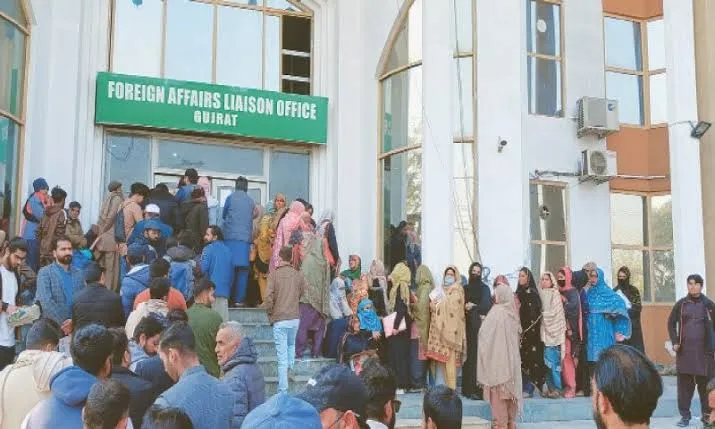
Pakistan's Ministry of Foreign Affairs launched a digital attestation system to streamline how official papers are authenticated, bringing more convenience to residents needing verification for foreign use. The new platform started working on October 12, 2026, at the ministry headquarters in Islamabad along with liaison offices in Lahore, Karachi, Peshawar, Quetta, and Gujrat.
Qualified applicants can now obtain electronic attestation certificates through email after finishing the necessary steps and paying the required fee. The system is designed to cut down on unnecessary trips to offices, better service delivery, and ease document verification for Pakistanis handling educational, personal, legal, and other official paperwork.
MOFA Launches Online Document Attestation Facility
The online platform lets users access document verification services through the official website at https://portal-attestation.mofa.gov.pk. The portal grants access to general attestation and apostille services via an online application workflow.
According to a report published by Business Recorder on October 15, 2026, the ministry told its officers to push applicants toward electronic submissions to boost convenience and transparency.
The system is anticipated to help individuals preparing papers for jobs abroad, higher education, immigration, family matters, and other official needs.
Electronic Certificates to Reduce Office Visits
Digital Attestation Through Email
A core feature of the new platform is the delivery of electronic attestation certificates. Once users finish the required procedures and pay the fee, qualifying documents get digital certificates sent via email.
This change might lower the need for users to visit ministry offices physically, though personal attendance could still be necessary in specific situations.
Improved Convenience for Applicants
In the past, document verification involved gathering paperwork, traveling to an office, and finishing various administrative tasks. The online tool seeks to make things easier by letting users start their requests through the internet.
The program may help residents living far from designated verification offices, as well as students, workers, and families handling papers for international use.
How to Apply Through the MOFA Attestation Portal
Users can kick off the procedure on the official portal by following the given instructions.
Step 1: Create an Account
Users need to visit the official site and set up an account with the requested personal details. Current users can log into their profiles.
Step 2: Complete the Applicant Profile
Following registration, users must verify their email address and fill out their profile before moving forward with a request.
Step 3: Select the Required Attestation Service
Users can pick between general attestation and apostille services, depending on the document type and what the destination country or receiving agency asks for.
Step 4: Upload Documents for Review
The requested papers and supporting details must be sent via the portal. The relevant Foreign Affairs Liaison Office officer checks the application before it moves to the next phase.
Step 5: Follow Approval and Payment Instructions
Users ought to follow the guidelines shown on the portal concerning approval, required fees, and any extra conditions. The exact process can shift based on the chosen service and the user's situation.
Users should check the official site for the newest rules before sending their papers.
General Attestation and Apostille: What Is the Difference?
General Attestation
General attestation is the standard paper authentication path when the receiving agency demands this type of legalisation. Depending on the target country, extra embassy legalisation or verification might also be needed.
Apostille Attestation
An apostille verifies the origin of a qualifying public document for use in a country where the relevant Apostille Convention rules apply. Acceptance relies on the destination country and the rules of the agency getting the document.
Users should check which service is needed prior to sending a request to prevent unneeded delays or extra costs.
Which Documents Can Be Attested?
The ministry offers verification services for several groups of papers, subject to the relevant rules.
These may include:
- Educational documents: Degrees, certificates, and other academic records.
- Personal documents: Birth certificates, marriage-related records, and other eligible personal paperwork.
- Legal documents: Powers of attorney, affidavits, and other qualifying legal instruments.
- Commercial documents: Business and trade-related paperwork requiring official authentication.
- Experience certificates: Eligible documents used for employment and professional purposes.
Certain papers must first be checked by the relevant issuing or regulatory department, such as the Higher Education Commission, Inter Board Committee of Chairmen, or another competent body. Rules depend on the document category.
Digital System Aims to Improve Transparency and Efficiency
Bringing in electronic verification marks another step toward turning government services digital in Pakistan. By enabling online requests and electronic certificates where applicable, the platform seeks to make official papers simpler to handle and cut down on administrative hassle.
The digital process could also assist users in tracking rules more clearly and lowering avoidable delays caused by missing paperwork or unneeded visits.
Still, how well the program works will rely on setting up the system properly, giving clear guidance to users, and offering help for people who struggle with online tools.
What Applicants Should Know Before Applying
Users are advised to use the official portal and carefully check the paper rules, target-country guidance, and required fees prior to sending a request.
They should also make sure their papers have received any needed preliminary checks from the relevant bodies. Electronic verification does not automatically wipe out every rule for original papers or physical attendance.
The ministry's digital program is meant to simplify the procedure while keeping the authentication rules tied to official papers.
Conclusion
Pakistan's new digital verification system aims to make document authentication more accessible by bringing in online requests and electronic certificates for qualifying cases. With services accessible via the official portal and rollout across the headquarters and liaison offices, the program could cut down unneeded visits and better convenience for citizens getting papers ready for international use.
As the system grows, clear directions, dependable digital services, and user awareness will matter in making sure the new process delivers its intended benefits.