Sindh College Education Department Promotes 93 Senior Clerks
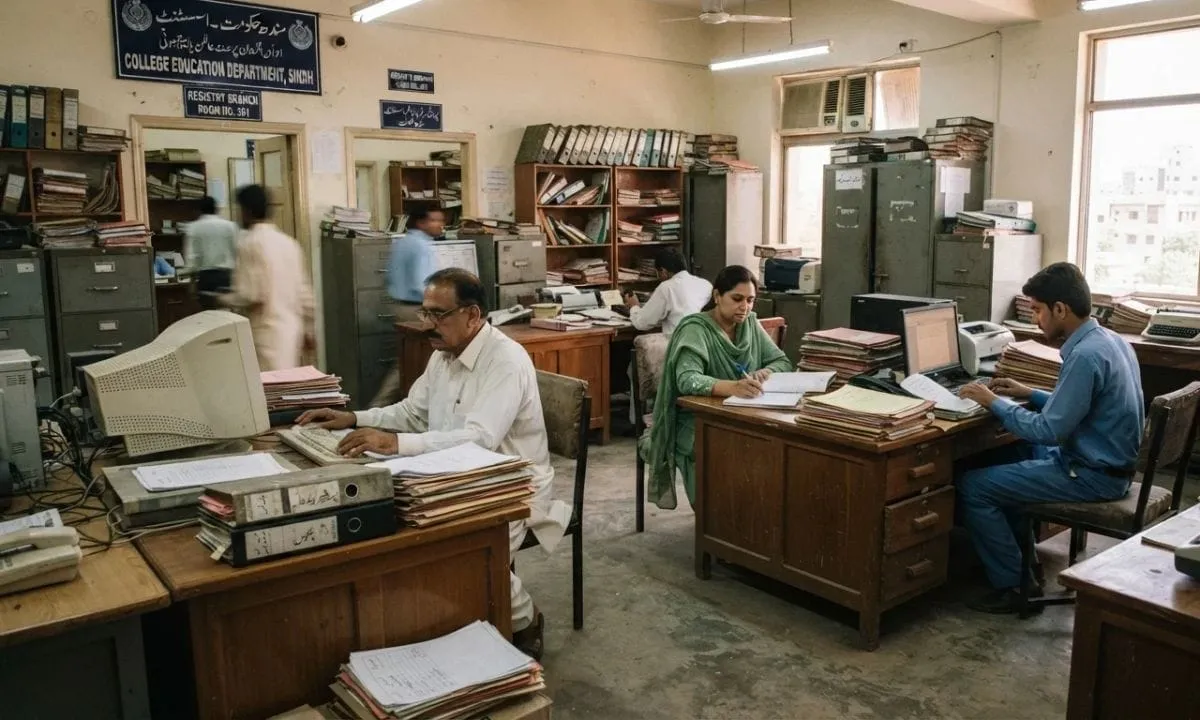
The College Education Department in Sindh has promoted 93 senior clerks from Grade 14 to Grade 16 as assistants, and has issued a notification confirming the move. Administrative advancements within public service departments often involve strict evaluation processes to ensure qualified personnel move into supervisory and operational roles. Such promotions help streamline institutional workflows and provide career progression opportunities for long-serving government employees who have met the necessary service criteria and departmental standards.
According to the notification, the promotions were made on the recommendation of the Departmental Promotion Committee, after approval from the competent authority. The Departmental Promotion Committee operates as an internal review body tasked with evaluating employee records, service lengths, and performance evaluations before granting clearance for higher grades. Securing approval from the competent authority is the final legal step required to validate government notifications and effectuate official rank changes across provincial departments.
Regional Breakdown of Clerk Promotions Across Sindh
Administrative restructuring affects various regional directorates differently based on staff distribution and vacancies. Of the 93 clerks, 52 were promoted in the Regional Directorate Karachi. Karachi houses the largest concentration of educational administrative offices, accounting for more than half of the total advancements announced in this recent departmental notification.
In the Larkana region, 17 senior clerks were promoted, while 11 were promoted in the Hyderabad region. Eight senior clerks were promoted in Mirpurkhas, and four in the Shaheed Benazirabad region. These regional allocations reflect the distribution of educational institutions and administrative workloads managed by local directorates throughout the province.
Named Officials and Newly Promoted Staff Members
Career advancements in the public sector bring new responsibilities and higher pay scales to departmental personnel. The employees promoted to assistant in Grade 16 include Muhammad Younis, Muhammad Arshad, Ghulam Hussain, Seema Khalid, Hamid Siddiqui, Muhammad Imran Sheikh, Nazir Ahmed, Muhammad Mohiuddin Khan, Muhammad Ishaq, Asif Ali and Taj-ud-Din. These individuals will transition into assistant roles, taking on enhanced administrative duties within their respective regional offices and colleges.
Moving from Grade 14 to Grade 16 represents a notable shift in government service hierarchies, moving personnel from clerical tasks to supervisory assistant positions. Assistants typically manage office files, draft official correspondence, and supervise junior staff members. Their contributions are vital for the daily functioning of educational directorates and public colleges scattered across the province.
New 75 Percent Attendance Rule for Government College Students
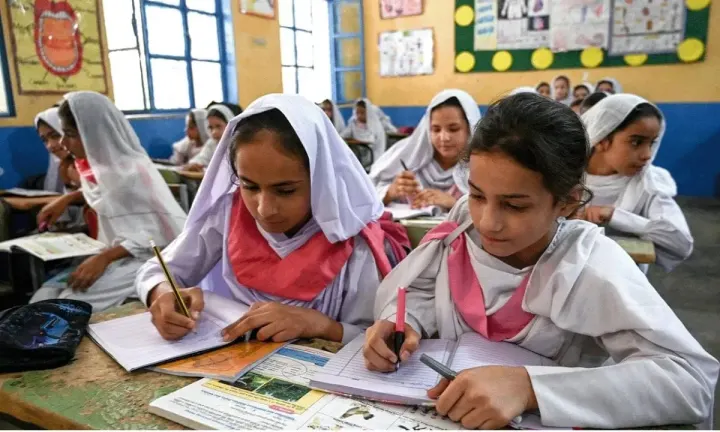
In another development, the Sindh government has made 75 percent attendance compulsory for students in government colleges across the province. Students who fall short of the requirement will not be allowed to sit examinations. This strict policy aims to curb chronic absenteeism and encourage regular classroom participation among learners enrolled in public higher secondary institutions and degree colleges.
Enforcing a minimum attendance threshold is a standard regulatory measure designed to maintain academic rigor and accountability. Educational authorities frequently grapple with low physical presence in classrooms, which can dilute the quality of education and undermine the integrity of internal and board evaluations. By barring students with low attendance from taking exams, the department intends to compel learners to attend daily lectures and academic sessions consistently.
Consultative Conference and Institutional Collaboration
Secretary Colleges Sindh Nadeem Memon made the announcement at a consultative conference held to address low student attendance and improve academic standards. The College Education Department and the Sindh Professors and Lecturers Association (SPLA) jointly organised the event. Bringing together government officials and teacher representative bodies allows stakeholders to formulate practical strategies for tackling systemic issues within public education.
Collaborative meetings between government regulators and educator associations help bridge the gap between policy formulation and ground-level implementation. Teachers and professors who interact with students daily can provide valuable insights into why attendance slips and how institutional environments can be made more engaging. The joint organisation of this conference signals a unified approach by administrators and educators to elevate academic standards across Sindh.
Impact on Educational Administration and Academic Standards
The simultaneous announcement of staff promotions and student attendance regulations highlights a dual focus on administrative capacity and academic discipline within Sindh education sectors. Strengthening the administrative workforce by elevating 93 senior clerks ensures that regional directorates have sufficient supervisory staff to handle institutional paperwork, teacher payrolls, and student record management. Efficient offices reduce bottlenecks that often delay academic and operational procedures in public colleges.
Simultaneously, the strict enforcement of the attendance rule targets student engagement and institutional discipline. Educational administrators hope that combining a more robust administrative cadre with stricter student accountability will yield measurable improvements in overall graduation rates and learning outcomes. Monitoring implementation across Karachi, Larkana, Hyderabad, Mirpurkhas, and Shaheed Benazirabad will be the primary task for regional directors and college principals in the coming months.