Andy Burnham Claims EU Deal Will Lower Food Prices
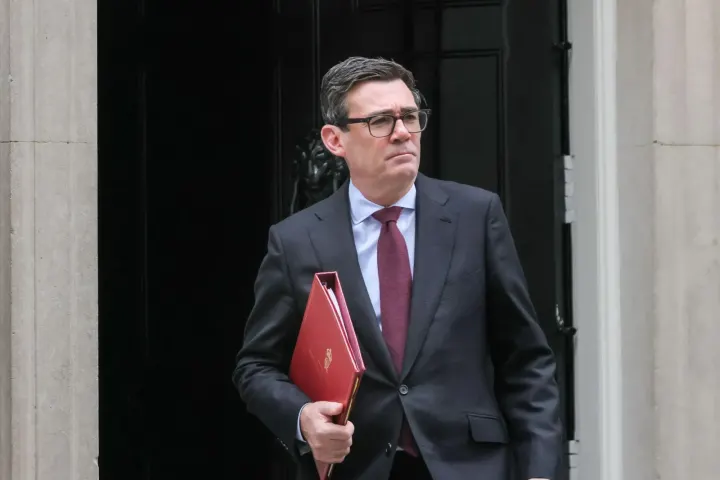
Prime Minister Andy Burnham made headlines on Monday by predicting that a new European Union trade agreement will directly lower the cost of the weekly shop for British consumers. Connecting trade policy to household expenses is a direct response to voter priorities, as the cost of living remains the primary concern for the public. However, the confidence behind this announcement faces immediate scrutiny as government officials and economic analysts examine the complex mechanics of retail pricing.
While the administration attempts to show tangible benefits from its diplomatic efforts, the reality of food economics involves far more than international trade pacts. The connection between a trade agreement and a cheaper grocery bill is far from guaranteed, leaving room for political vulnerability if expectations outpace actual results. Voters facing years of high inflation and tightened household budgets are listening closely to these promises, heightening the stakes for the administration.
What the Government Impact Assessment Says About Food Prices
The government own impact assessment, released on Monday afternoon, adopts a much more cautious tone than the Prime Minister. The official document states that the exports deal could help reduce the pressure on food price inflation, but it includes strong caveats regarding how savings actually reach consumers. The text notes that success depends entirely on whether and how business savings are passed through from producer prices to retail prices.
Producer prices represent only one aspect of final food prices paid by shoppers at the supermarket checkout. Many other factors influence the final cost of groceries, meaning that reductions in trade friction do not automatically translate to immediate relief for households. Analysts point out that retail pricing strategies often absorb various operational shifts rather than passing every marginal saving directly to the consumer.
Key Factors Affecting Grocery Costs Beyond Trade Deals
The government assessment highlights several major economic variables that determine whether food prices will actually drop in the near future. Energy prices remain a critical component for food production, storage, transportation, and retail refrigeration. High energy expenses continue to squeeze profit margins across the supply chain, offsetting potential gains from new trade arrangements.
Labour costs also play a massive role in determining final retail prices, alongside fluctuating exchange rates that impact imported goods. Furthermore, the extent to which producers have previously absorbed cost increases to date all play a part in current pricing structures. Many agricultural producers and manufacturers have operated under severe financial pressure for years, absorbing costs rather than passing them on, and they may use any initial savings to repair their own balance sheets rather than cut prices.
The Political Strategy Behind Linking Trade and Cost of Living
There is clear political logic in Andy Burnham linking his Brexit deal with the cost of living, which dominates public anxiety. By framing international agreements around everyday household expenses, the administration attempts to demonstrate direct competence on the issue that matters most to voters. Tying diplomatic negotiations to the price of milk, bread, and vegetables makes high-level policy feel immediate and relevant to ordinary citizens.
However, this strategy carries substantial political risk if the anticipated relief fails to materialize on supermarket shelves. If shoppers do not see a noticeable drop in their grocery bills, the administration opens itself up to accusations of overpromising and failing to deliver. Voters who feel short-changed by lofty promises may punish the government at the ballot box, turning a planned political triumph into a liability.
Net Migration Drops to 77,000 as Political Debates Shift
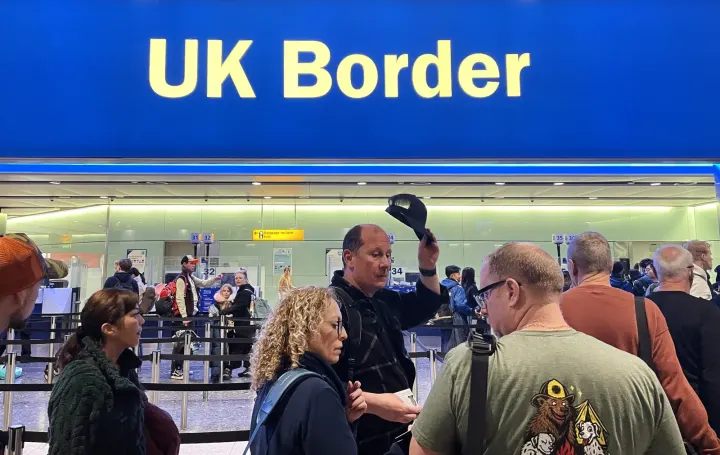
Away from trade and grocery prices, the political landscape has also been shaped by a dramatic drop in net migration figures. Net migration has dropped to 77,000, marking the lowest level recorded since 1997. Labour was quick to seize credit yesterday for presiding over the massive fall in arrivals, attempting to show control over an issue that has challenged successive governments for decades.
Conversely, the Conservative opposition, now under new management following the leadership of Kemi Badenoch, claimed the drop was due to reforms brought in at the end of their tenure. Despite these arguments, the Conservatives remain vulnerable to criticism regarding previous peaks in migration during earlier administrations. Immigration can be an uncomfortable issue for Labour politicians, but Andy Burnham rushed out of the gates yesterday to own the drop and project authority.
What Lies Ahead for the Next Election Battlegrounds
While immigration statistics show a significant decline, the small boats crisis obviously persists, even though crossings are down on last year. The visual and emotional impact of unauthorized channel crossings ensures that border security will remain a contentious topic in British politics regardless of broader statistical shifts. If immigration begins to recede as a dominant issue before the next election, the cost of living will undoubtedly become the main battleground.
On that crucial economic front, Andy Burnham needs to show he is not just offering hot air to struggling households. The coming months will test whether diplomatic agreements can overcome complex domestic cost pressures, or if voters will demand clearer proof of progress. As the public watches prices at the checkout counter, the administration must navigate the gap between political messaging and economic reality.