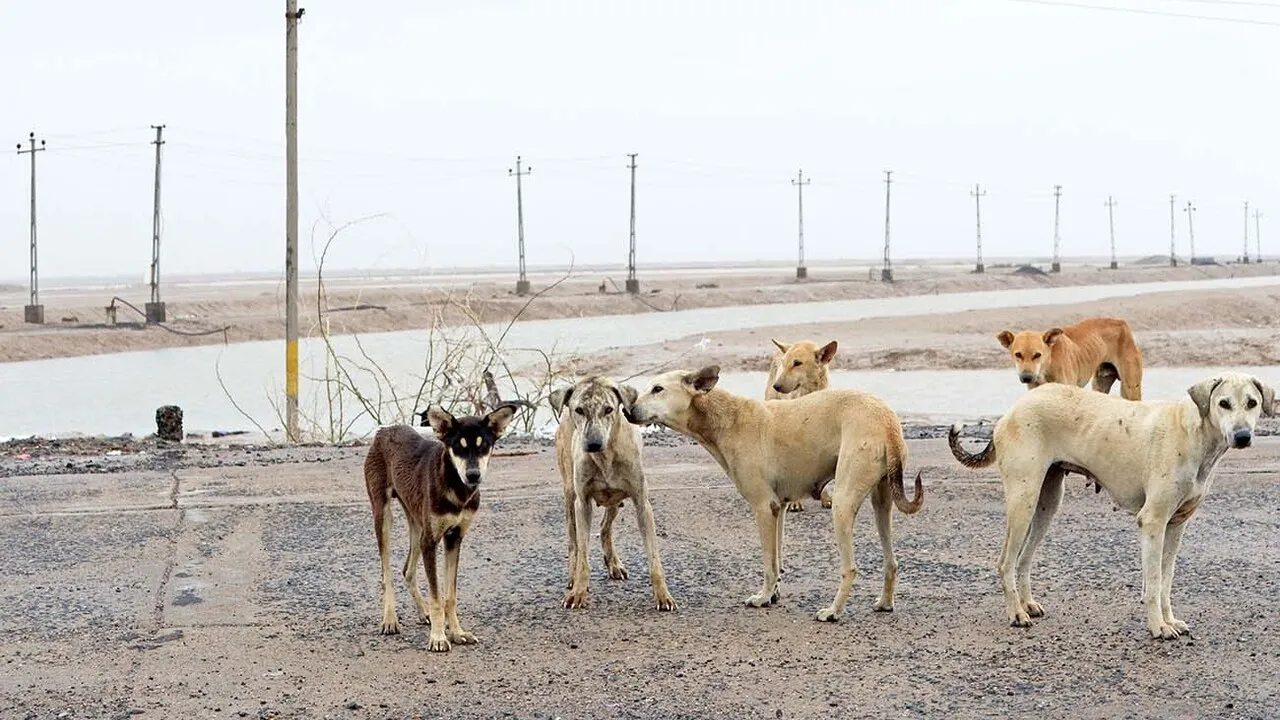
South Punjab Orders Urgent Crackdown on Stray Dogs
The tragic death of a 12-year-old girl in a stray dog attack in Bahawalnagar has prompted the South Punjab administration to order urgent action to protect people from dangerous dogs. Additional Chief Secretary South Punjab Fawad Hashim Rabbani chaired an emergency meeting to review the growing number of dog-bite cases across the region. The incident highlights ongoing public safety challenges regarding stray animal populations in rural and urban communities alike.
The young victim was attacked by a pack of more than a dozen stray dogs while on her way to a madrassa in Basti Yaseen, Akooka Hathar, near Mandi Madressa, two days ago. Officials responded swiftly to the public outcry following the fatal event, convening district leaders to address systemic failures in stray animal management. The emergency session brought together administrative heads from across the region to evaluate current control measures and demand immediate accountability.
Details of the Emergency Meeting Led by Fawad Hashim Rabbani
Additional Chief Secretary South Punjab Fawad Hashim Rabbani expressed deep sorrow over her death and voiced anger over the performance of the Bahawalnagar deputy commissioner. Deputy commissioners from all South Punjab districts joined the meeting via video link and shared details of their steps to remove stray dogs and vaccinate pet dogs. The virtual gathering served as a platform to scrutinize municipal preparedness and response times in handling animal control complaints from local residents.
Rabbani directed all deputy commissioners to identify areas with large numbers of stray dogs and take strong action to control the problem. He asked the Rajanpur and Vehari administrations to improve their efforts after a rise in dog-bite cases was reported in these districts. The directive demands a targeted approach rather than generalized sweeps, focusing resources where populations of unmanaged animals pose the highest risk to pedestrians and children.
Accountability and Ground Verification for Municipal Officials
Administrative leaders face strict oversight under the new mandates issued during the regional conference. Rabbani made it clear that reports and figures alone would not be accepted, and deputy commissioners must visit the affected areas and show real progress on the ground. Desk reporting and unverified statistics will no longer satisfy regional supervisors who demand tangible evidence of public safety improvements.
He also ordered officials to properly launch the campaign against stray dogs and take strict action against false reports about their removal. Falsifying municipal records or exaggerating containment metrics will trigger disciplinary penalties for responsible personnel. Field inspections by senior bureaucrats aim to bridge the gap between official paperwork and the actual conditions experienced by citizens in neighborhoods and villages.
Legal Action Against Pet Owners and Enhanced Municipal Services
Beyond stray populations, the administration is turning its attention to domestic animals that pose threats to the public. Rabbani further directed officials to take immediate legal action against pet dog owners if their animals attack people. Domestic animal registration and mandatory vaccination rules will face stricter enforcement to prevent negligence by private owners who fail to secure aggressive breeds or vaccinated pets properly.
He said all administrative officers must regularly check municipal services to ensure effective steps are being taken to protect people from dog attacks. Local governments manage waste collection, sanitation, and animal control coordination, all of which influence stray animal aggregation. Proper garbage disposal denies scavengers an accessible food source, reducing animal breeding rates and congregating behaviors near residential settlements.
Background of Stray Animal Control in South Punjab
Stray animal management has remained a persistent challenge for municipal corporations and district councils across Pakistan for decades. Historically, control methods relied on culling operations, which faced ethical concerns and logistical failures in achieving permanent population reduction. Modern public health standards advocate for humane population control through sterilization and vaccination programs, though implementation varies widely across different districts and administrative jurisdictions.
Rural areas and suburban fringes experience higher rates of human-animal conflict due to sparse street lighting, unpaved pathways, and open dumping sites. Children walking to educational institutions such as madrassas or primary schools often encounter packs of territorial animals searching for food. Previous administrative directives have occasionally sparked temporary campaigns, but consistency has proven difficult to maintain without continuous executive supervision and dedicated funding streams.
Public Health Impact of Canine Attacks
Dog bites present serious medical risks, ranging from severe tissue trauma to the transmission of rabies, a fatal viral disease if left untreated. Public hospitals frequently report treating numerous bite victims who require immediate immunoglobulin therapy and a complete course of anti-rabies vaccinations. Supply chain issues for vaccines in rural clinics occasionally complicate treatment, making prevention through animal control an essential public health priority.
Communities bear both the physical and psychological scars of aggressive animal encounters, particularly when victims are minors. Families often restrict children from walking independently to local schools or playing outdoors in unpaved alleys. The economic burden of emergency medical treatments also strains household finances in lower-income areas, compounding the tragedy of severe attacks.
Next Steps for District Administrations
District administrations across South Punjab must now execute the mandates issued by the Additional Chief Secretary within strict timelines. Key actions to watch for include the deployment of dedicated animal control teams, public awareness campaigns regarding pet registration, and transparent reporting of removal statistics verified by physical inspections. Observers will monitor whether Rajanpur, Vehari, and Bahawalnagar can demonstrate measurable reductions in bite incidents and stray populations in the coming weeks.





