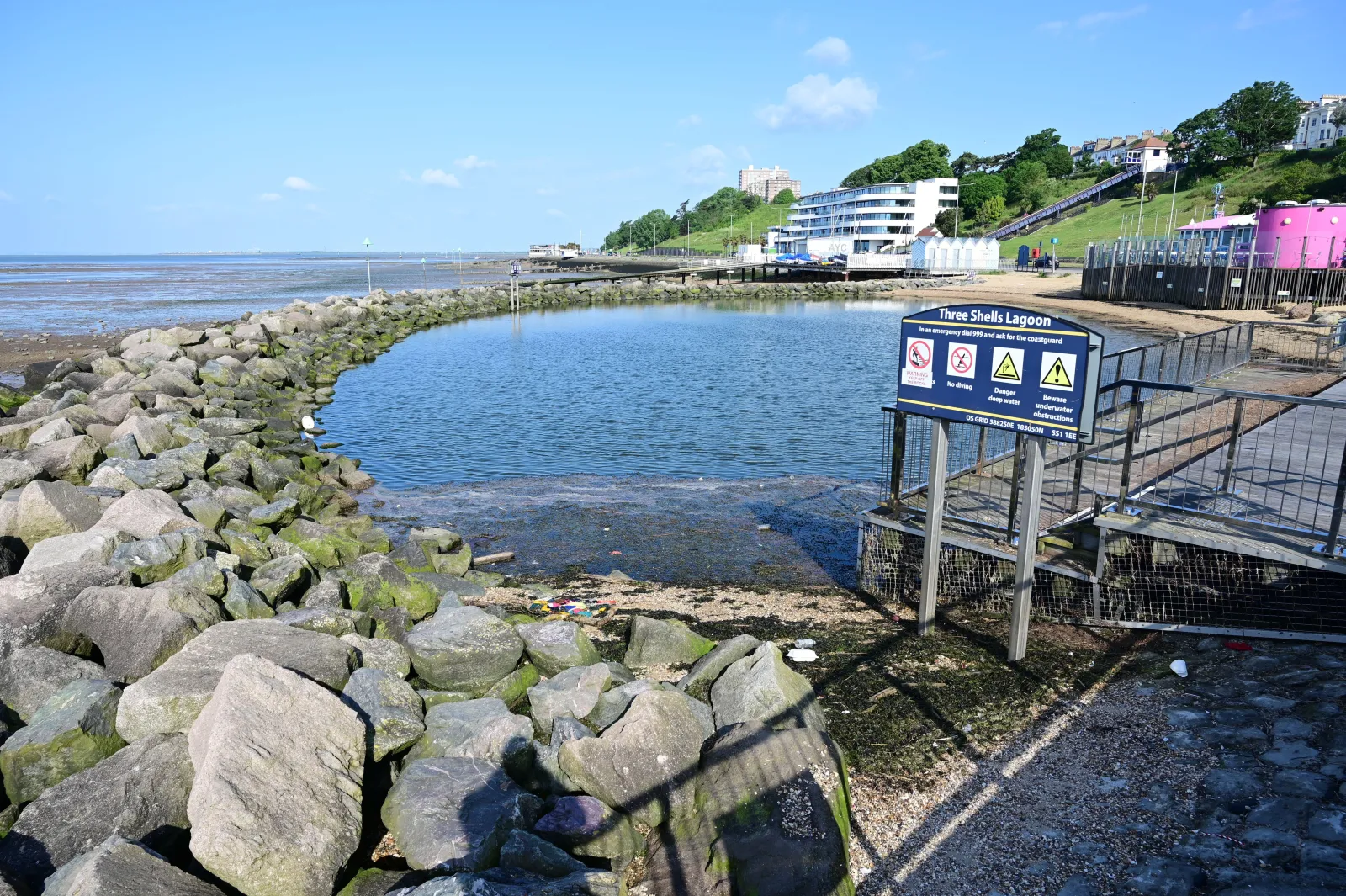
Southend Three Shells Lagoon Faces Demolition After Ten Years
A popular English seaside tourist attraction is facing complete demolition just ten years after welcoming its first visitors. The Three Shells Lagoon in Southend opened in July 2016 as part of efforts to boost local tourism and provide a safe bathing spot for families visiting the coast. Built at a cost of £2 million, the site was designed to offer a controlled seaside experience near local landmarks.
The facility is situated near Adventure Island and The Pier, making it a prominent feature of the seafront. Alongside the water feature, the site includes a play area next to the lagoon as well as toilets and showers for public use. Despite initial optimism, the attraction has struggled with persistent operational challenges throughout its brief history.
Why Is the Southend Beach Lagoon Closing?
The seaside attraction could now be destroyed at a cost of £800,000 following a series of escalating problems. The lagoon is currently closed to the public due to an incident earlier this year where a mother and daughter got stuck in waist-deep sand. Safety signs and fences have been put in place to cordon off the area while officials debate the next steps.
Beyond safety concerns, the site has generated numerous complaints from residents and visitors over the years. Chief among these issues have been persistent reports of a pungent smell emanating from the basin. The local authority has spent more than £90,000 trying to eliminate the odor and improve drainage at the lagoon, but these efforts failed to provide a lasting fix.
Council and Owner Response to the Lagoon Crisis
Local leaders have expressed frustration over the ongoing expenses required to manage the troubled site. Cabinet member for business and tourism, Matt Dent, stated that officials have reached a point where they need to cut their losses. He described the structure as a monstrosity that is no longer fit for purpose, adding that restoring the location to a natural public beach environment is the most practical and sustainable long-term solution.
The lagoon is owned by Philip Miller, who also owns the adjacent Adventure Island amusement park. Miller noted that maintenance troubles have worsened over the years, driven largely by the heavy buildup of seaweed and algae inside the basin. While Miller has proposed different options to fix the lagoon, he placed blame on the local authority, stating that the council lack of maintenance, despite their feeble excuses, is the real reason it has come to this stage.
Financial and Environmental Impact on the Seaside Town
The potential demolition represents a significant loss of capital for the coastal community. The original construction required an investment of £2 million, and the proposed removal carries an additional price tag of £800,000. Public funds have already been drained by unsuccessful attempts to correct drainage flaws and mitigate the persistent stench.
Environmental factors have played a central role in the deterioration of the site. The accumulation of organic material, including algae and seaweed, created difficult conditions for upkeep. Transforming the area back into a natural public beach environment aims to remove the costly infrastructure that requires constant manual intervention.
What Happens Next for the Southend Waterfront
A formal decision is scheduled to be made today regarding the future of the lagoon structure. Local leaders and stakeholders will weigh the demolition costs against the ongoing liabilities of keeping a closed, failing facility on the prominent coastline. The outcome will determine the timeline for removing the concrete and returning the shoreline to its previous state.
Visitors and local businesses are watching the decision closely to see how the waterfront will change. Removing the basin and restoring the natural sand environment will alter the layout of that section of the coast. Authorities have indicated that returning to a standard beach setting will prevent future safety hazards like the sand entrapment incident reported earlier this year.