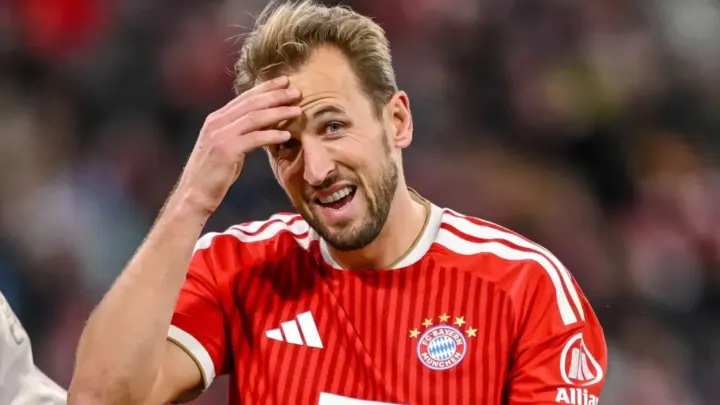
NFL legend Tom Brady is holding talks over a sensational Chelsea takeover just days after quitting Birmingham.
Brady, 49, sold a minority share in the Championship side after three years with the club last week.
Tom Brady Enters Talks for Chelsea Stake
The sports world is turning its attention to London as reports emerge regarding unexpected ownership discussions. Tom Brady, widely recognized for his historic career in American football, has reportedly set his sights on one of the most prominent clubs in the English Premier League. This development follows closely on the heels of his departure from the second tier of English football, signaling a rapid pivot in his sports business ambitions.
Acquiring a stake in a club of this magnitude involves complex financial negotiations and regulatory scrutiny. While official confirmation from all parties remains limited, the timing of these discussions highlights a calculated strategy by the former quarterback to expand his portfolio in global soccer. Observers are closely monitoring how these negotiations unfold given the high valuation and intense media spotlight surrounding Stamford Bridge.
Leaving Birmingham City After Three Years
The news of potential interest in a Premier League club breaks immediately after the conclusion of Brady's tenure at St Andrew's. Brady, 49, sold a minority share in the Championship side after three years with the club last week. During his time with the midlands outfit, he aimed to bring a winning culture and increased commercial visibility to the historic English institution.
His involvement with the team drew significant international attention to the second tier of the football pyramid. Supporters witnessed various changes during his association, ranging from stadium improvements to global marketing pushes. Ending this chapter allowed the former professional athlete to reallocate his resources and attention toward new opportunities within the sport.
Understanding Football Club Ownership and Minority Stakes
Investing in association football requires navigating a unique financial and regulatory environment. A minority share, such as the one Brady previously held, typically grants an investor a small percentage of equity without giving them operational control over daily club management. These positions are often taken by high-net-worth individuals or institutional groups seeking long-term capital appreciation and brand association.
Transitioning from a minority position in a lower-division club to prospective involvement with a global powerhouse represents a substantial leap in scale. Premier League clubs operate under strict financial regulations, including profit and sustainability rules established by football authorities. Any incoming investor must pass rigorous tests conducted by governing bodies to ensure financial stability and integrity.
Chelsea and Its Current Ownership Structure
Chelsea Football Club has experienced significant changes in its corporate structure in recent years. Following a high-profile ownership transition, the club has been managed by a consortium led by prominent American and international investors. Bringing in additional minority partners is a common method for such ownership groups to raise capital for squad development, stadium modernization, and global expansion.
The involvement of a globally recognized figure like Brady could bring unique marketing advantages to the organization. His personal brand resonates strongly in North America and various international markets, aligning with the current ownership's goal of growing the club's worldwide fan base and commercial revenue streams.
The Financial and Sporting Reality of the Premier League
Competing at the highest level of English football demands immense financial commitment. Television broadcast rights, commercial sponsorships, and matchday revenue generate billions of pounds annually, yet operational costs, particularly player wages and transfer fees, remain exceptionally high. Clubs must balance sporting ambition with strict financial controls to avoid penalties from domestic and European regulators.
Investors entering this sphere must understand the volatile nature of results on the pitch. A club's valuation and revenue potential can fluctuate based on league placement and qualification for lucrative continental tournaments such as the UEFA Champions League. Evaluating these risks is a standard part of due diligence for anyone purchasing equity in a top-tier English team.
What to Watch for in the Coming Weeks
As discussions continue, observers should watch for official statements from representatives of both Brady and the club. Regulatory approvals from football authorities will be required if any formal agreement is reached between the parties involved. The exact financial terms and the size of the proposed stake will likely become clearer as the talks progress through official channels.
This situation marks another chapter in the growing trend of American sports figures investing in European soccer. Whether these talks result in a finalized deal remains to be seen, but the possibility of such a high-profile partnership ensures sustained interest from fans, investors, and media outlets alike.