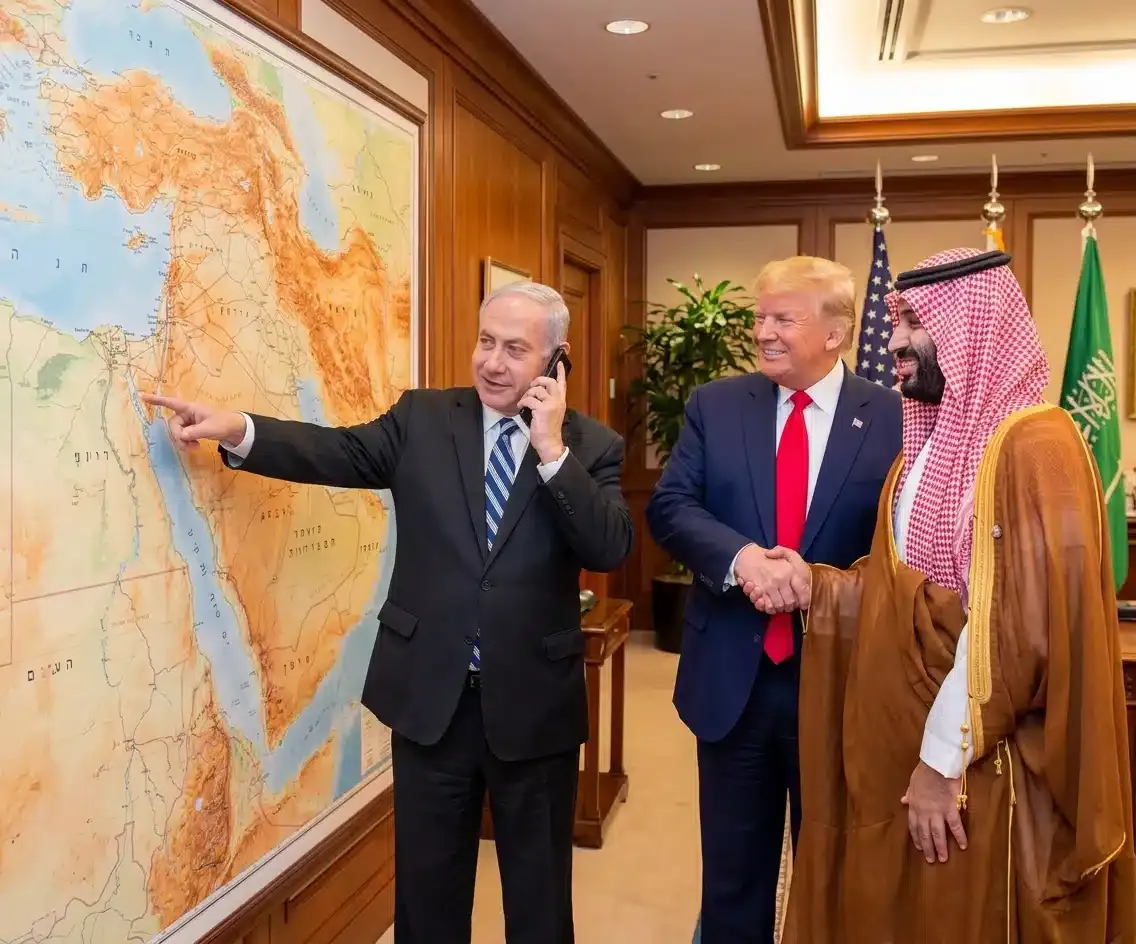
US President Donald Trump expressed his belief on Friday, October 16, that Saudi Arabia ought to take up Israel's proposal to assist in combating Yemen's Ansar Allah, commonly known as the Houthis, during a press conference at the White House.
When journalists at the White House questioned him regarding whether Riyadh should embrace the Israeli support offered against the Houthis, Trump responded affirmatively. According to The Times of Israel, he stated, “Yeah, I do, sure. Israel has been very helpful to Saudi Arabia,” and expressed his expectation that the Saudis “will” accept the offer.
Trump Says Saudi-Israel Normalization Is Back on the Table
In response to a question about whether Saudi Arabia joining the Abraham Accords had returned to discussion, Trump answered, “Yeah, I think so. Maybe more than ever.” He described the accords as a top achievement of his administration and mentioned that Saudi Arabia feels “very happy” receiving backing from both the United States and Israel.
The Abraham Accords consist of 2020 pacts through which multiple Arab nations established normalized diplomatic ties with Israel. Currently, Saudi Arabia lacks formal diplomatic relations with Israel, maintaining that normalization relies on establishing a Palestinian state.
Riyadh Reportedly Rejected Israel's Offer
These comments from Trump run contrary to previous media accounts originating in Israel.
Israeli publication Haaretz reported on October 12 that Crown Prince Mohammed bin Salman declined assistance offered by Netanyahu via US mediation, citing worries about public opposition within Saudi Arabia. Officials in Saudi Arabia have not issued public statements regarding either this report or Trump's recent comments.
During an interview this week, Israeli Prime Minister Benjamin Netanyahu responded to a question about whether the Saudis requested assistance by stating that “there are barely any Middle Eastern states that aren't asking us for help.”
Attacks on Saudi Airports
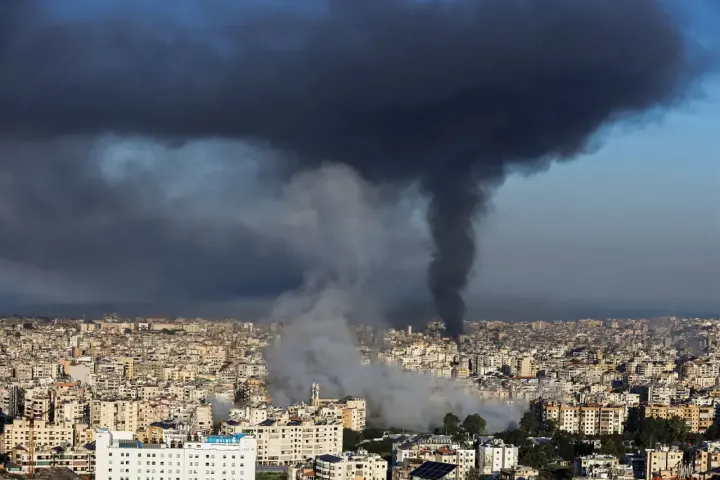
An October 10 strike targeting King Khalid International Airport in Riyadh resulted in 13 deaths and over 300 injuries, marking the kingdom's most lethal attack in more than ten years. A subsequent strike the following day reportedly caused the death of a Pakistani national and left 11 others injured.
Following these events, the airport remained shut until October 17, compelling international carriers throughout Europe and Asia to cancel flights. Observers had previously cautioned that escalating Houthi pressure might drive Riyadh into closer alignment with Israel.