UMT Allocates Rs. 50 Million for KP Police Scholarships
The University of Management and Technology has allocated Rs. 50 million for postgraduate scholarships aimed at serving Khyber Pakhtunkhwa Police officers, personnel, and the children of officers who died in the line of duty. This significant financial commitment seeks to bridge educational gaps for law enforcement families and individuals who risk their lives to maintain public order. The initiative, approved by UMT President Ibrahim Hasan Murad, offers eligible candidates tuition waivers of up to 90 per cent, easing the financial burden of advanced academic pursuits.
Beyond traditional degree programs, the university will also provide free digital skills training to 1,000 police personnel and children of fallen officers through its online learning platform, LiveX. This dual approach addresses both formal academic qualifications and modern technological competencies, which are increasingly vital for modern security forces and administrative roles. The formalization of this arrangement took place at the Central Police Office in Peshawar, marking a structured step toward institutional collaboration.
Partnership Details and Memorandum of Understanding
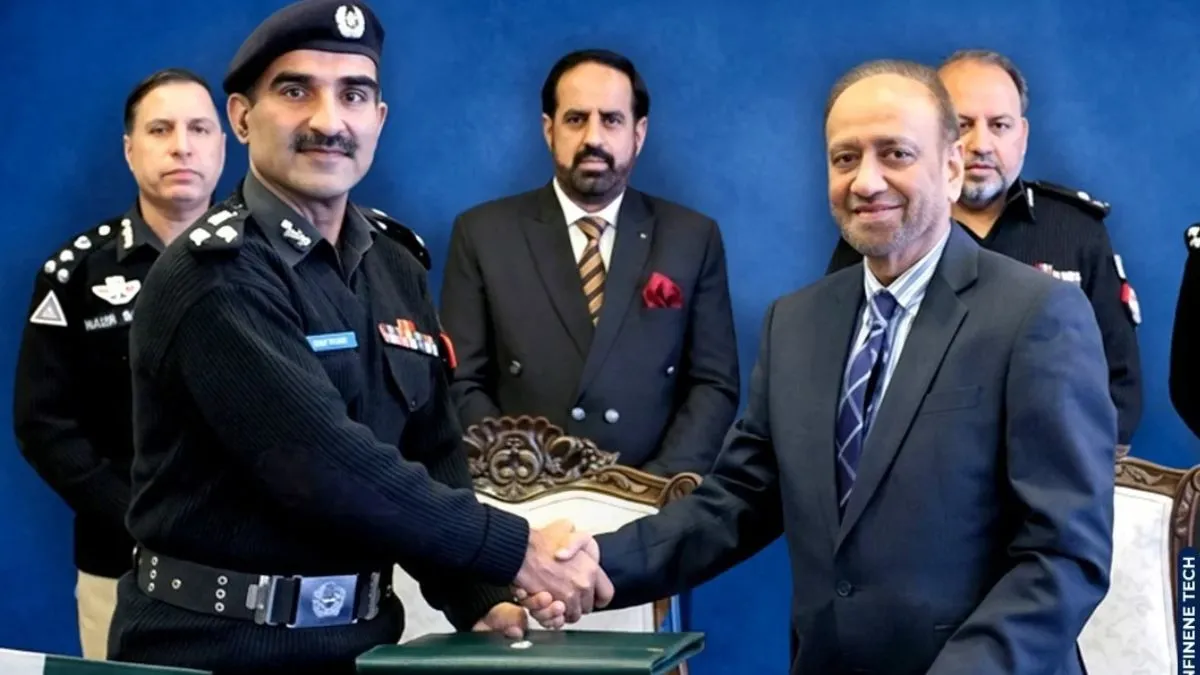
KP Police and UMT formalized the partnership through a memorandum of understanding at the Central Police Office in Peshawar. DIG Welfare Sher Akbar Khan signed on behalf of KP Police, while UMT Director Syed Bilal and Senior Advisor Professor Sajjad Qamar represented the university during the official proceedings. This agreement sets the legal and operational framework for rolling out the scholarship funds and the digital training programs across the provincial police force.
Both institutions will jointly set eligibility criteria and selection procedures for the scholarships and training. Selection will be strictly merit-based to ensure that candidates who demonstrate academic dedication and professional commitment receive the benefits. This collaborative governance model ensures transparency and accountability in distributing the educational grants to those most deserving within the police ranks.
Role of KP Police and UMT in the Selection Process
KP Police will nominate eligible candidates and provide the required documents to verify service records and familial status. This initial screening by the police department ensures that active personnel and authentic families of fallen officers are accurately identified and put forward for consideration. The department maintains records of officers who made the ultimate sacrifice, allowing their children to access these designated educational pathways.
Meanwhile, UMT will review applications, provide academic guidance, and track participants progress throughout their studies. The university brings its academic infrastructure to the process, ensuring that scholarship recipients receive proper counseling and institutional support as they embark on postgraduate education. This ongoing monitoring helps maintain high academic standards and ensures that students successfully complete their chosen programs.
Leadership Reactions and Professional Development Goals
KP Inspector General of Police Zulfiqar Hameed welcomed the agreement, saying access to higher education and digital training would help personnel build skills and advance their careers. He emphasized that continuous learning contributes directly to the operational efficiency and modernization of the police force. Enhanced education equips officers with critical thinking, legal understanding, and administrative acumen necessary for complex policing environments.
He said the department would continue to support the welfare and professional development of its personnel and the families of fallen officers. Law enforcement agencies frequently face high-stress conditions, and programs addressing family welfare and career progression serve as vital morale boosters. By partnering with private higher education institutions, the police department expands resource availability beyond state-allocated budgets.
Background of Higher Education Initiatives for Law Enforcement
Educational outreach programs for public safety personnel have gained momentum across the region as departments seek to modernize their workforce. Police officers often encounter administrative and technological challenges that require specialized knowledge beyond basic academy training. Postgraduate education in fields such as criminology, public administration, management, and information technology helps departments cultivate internal leadership and specialized investigative talent.
Furthermore, supporting the children of fallen officers addresses a fundamental social contract between the state and the families of those who died protecting communities. Scholarships and financial waivers remove economic barriers that might otherwise prevent these young people from accessing universities. Private universities frequently use corporate social responsibility frameworks to fund such initiatives, creating mutually beneficial partnerships with public sector organizations.
Understanding the LiveX Platform and Digital Training
The inclusion of free digital skills training through the LiveX online learning platform reflects the growing demand for technological literacy in the contemporary workforce. LiveX serves as the digital education arm of UMT, delivering structured modules over the internet to remote learners. Personnel and students can access these courses without needing to relocate or disrupt their professional duties, making continuous education flexible and practical.
Digital skills training covers various aspects of modern computing, data management, and digital communication tools. For police personnel, digital literacy aids in cybercrime awareness, data analysis, and efficient office administration. For the children of fallen officers, acquiring these skills opens up employment opportunities in the burgeoning technology sector, fostering long-term economic independence.
What Comes Next for Applicants and the Police Department
Following the signing of the memorandum of understanding, both organizations will finalize the detailed eligibility guidelines and publish the application schedules for interested personnel and families. Eligible candidates within the KP Police ranks should monitor internal departmental notices for instructions on submitting required documentation through official channels. The joint committee of UMT and police representatives will then review the initial pool of applicants to select the first cohort of scholarship recipients and LiveX trainees.
Prospective students should gather academic transcripts, service certificates, and identification documents required for university admission. As the program rolls out, tracking mechanisms established by UMT will monitor academic performance to ensure retention and successful graduation rates. This initiative stands as a structured effort to merge institutional welfare with higher learning opportunities in Khyber Pakhtunkhwa.