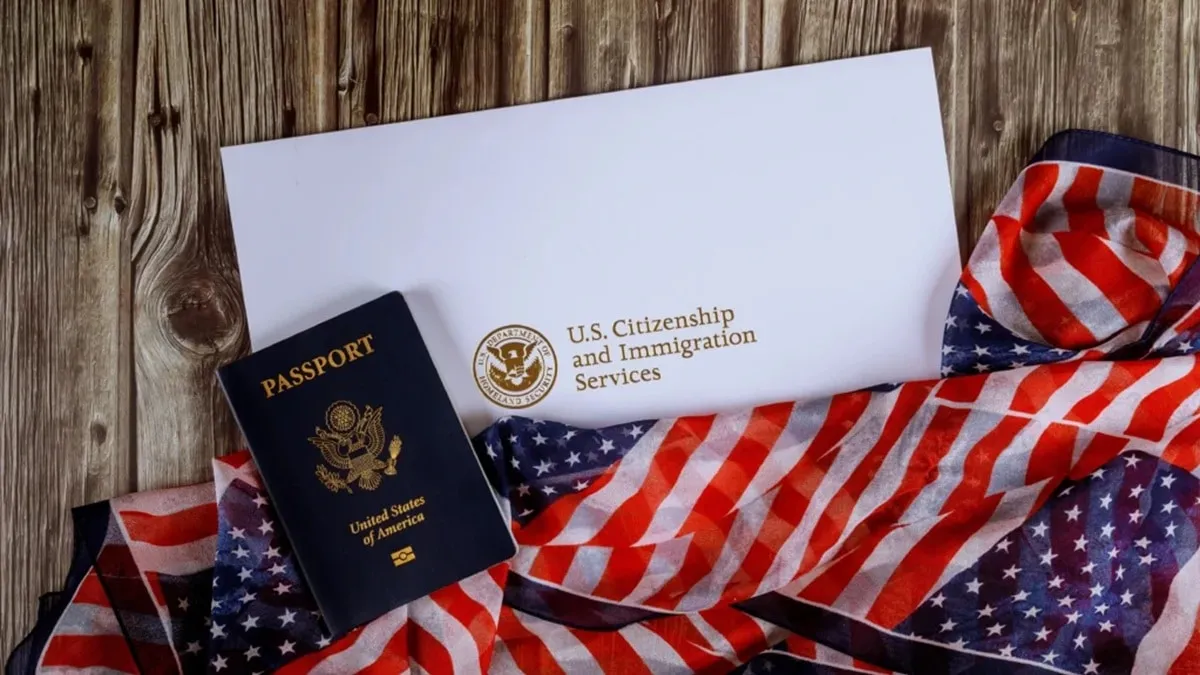
The United States government is reviewing a proposed regulation that might lengthen processing periods for applicants paying extra fees for expedited immigration services. The White House Office of Information and Regulatory Affairs received the proposed rule on October 13, and the measure is undergoing review now. If enacted, the adjustment would alter the expedited processing schedules used by US Citizenship and Immigration Services.
Depending on the specific application category, current processing limits stand at 15, 30, or 45 business days. Although specific specifics of the draft have not been released publicly, the modifications might lengthen these schedules.
US Citizenship and Immigration Services provides expedited processing for specific immigration filings for an extra charge spanning from $1,780 to $2,965. This service mandates that the agency act within a set period, which might involve rendering a decision, asking for more evidence, or issuing a notice of intent to deny.
Current regulations set a 45-business-day processing limit for Form I-140 petitions covering EB-1C multinational managers and executives as well as EB-2 national interest waivers.
A limit of 30 business days applies to employment authorization filings for F-1 students pursuing optional practical training via Form I-765, alongside Form I-539 filings for status changes to F, M, or J categories.
A 15-business-day processing window covers other qualifying Form I-140 petitions and Form I-129 filings.
Reports indicate that US Citizenship and Immigration Services has missed these limits more often lately, even while gathering extra fees from applicants. The agency previously raised expedited processing charges in March 2026 as part of its periodic inflation adjustment.
Following White House review clearance, the text will appear in the Federal Register to allow a public comment window lasting 30 to 60 days.
Implementation will not occur until officials finalize the regulation, a procedure requiring multiple months.