How Used Smartphone Imports Threaten Pakistan Jobs
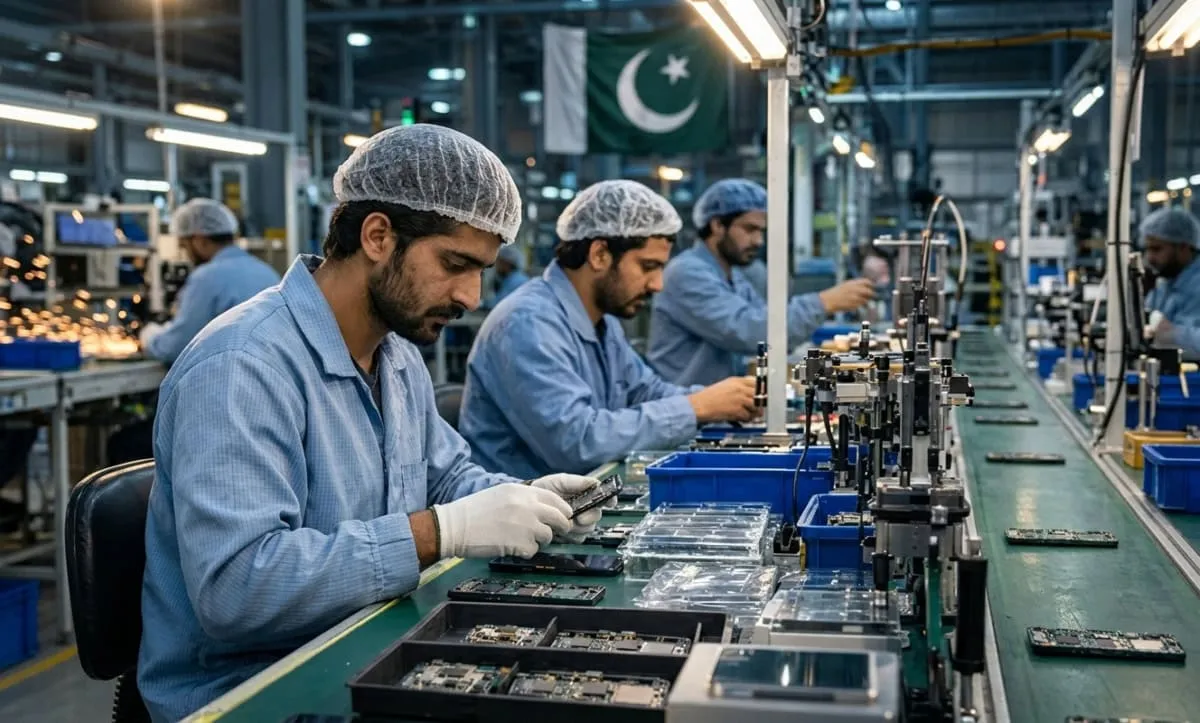
Pakistan is facing a major economic challenge as the domestic mobile phone manufacturing industry struggles against a massive wave of incoming foreign devices. The Pakistan Mobile Phone Manufacturers Association has issued a stark warning that rising volumes of used smartphones are undercutting local assembly lines, putting approximately 40,000 skilled jobs at risk. Local factories that invested heavily to build an indigenous manufacturing base now find themselves competing directly with a flood of secondhand technology entering the country.
The domestic production sector represents a crucial pillar for industrial employment and technology transfer in the region. When assembly plants slow down due to market saturation from imported devices, technicians, line workers, and engineering staff face immediate redundancy. Industry leaders emphasize that the current trajectory threatens years of progress achieved in establishing domestic assembly capabilities.
Statistics Behind the Surge in Secondhand Devices
Market data reveals a dramatic shift in consumer electronics entering the country between July and October. According to industry records, used smartphone imports surged nearly 69 times during this short period. Monthly volumes jumped from a modest 1,434 units in July to an alarming 98,383 units by October.
This rapid increase in secondhand device availability directly correlates with a downturn in domestic manufacturing output. Local smartphone production declined by approximately 17% over the same timeframe. Output figures dropped from 906,711 units manufactured in July down to 752,870 units in October as assembly lines adjusted to slowing local sales.
Factors Driving the Increase in Imports
Industry representatives point to specific regulatory and economic shifts that created this competitive imbalance. The trend stems largely from narrowing tariff differences between imported finished smartphones and locally assembled devices. When the cost gap closes, consumers often opt for imported brand-name devices over locally assembled alternatives.
Furthermore, revised Federal Board of Revenue customs valuations introduced in January 2026 altered the financial dynamics for importers. Fully assembled smartphone imports increased sharply alongside secondhand units, jumping from 18,431 units worth $17.8 million in July to 150,133 units valued at $71.7 million in October. These combined policy impacts created an environment where foreign-sourced finished goods gain an artificial advantage.
What the PMPMA Demands from Government Authorities
In response to the crisis, industry stakeholders are calling for immediate government intervention to safeguard local factories. The Pakistan Mobile Phone Manufacturers Association has formally urged the Ministry of Industries and Production and the Federal Board of Revenue to review existing customs valuations. They also demand a thorough revision of current tariff structures.
Association representatives argue that targeted policy support is essential for the survival of domestic manufacturing. Such measures would protect existing employment levels, encourage future capital investment, and provide the stability needed to expand domestic component production. Industry advocates believe these steps are necessary to strengthen Pakistan's long-term smartphone export potential rather than relying entirely on assembly for the domestic market.
Broader Impact on Technology and Industrial Growth
The health of the mobile manufacturing sector has wide-ranging implications for the national economy and technological advancement. A robust assembly ecosystem creates secondary markets for accessories, software maintenance, and technical training. When factories curtail operations, the entire supply chain experiences financial strain, affecting local vendors and logistics providers who rely on steady factory output.
Policymakers face a delicate balance between maintaining affordable communication technology for consumers and protecting domestic industrial infrastructure. Without protective adjustments to tariffs and valuations, the country risks sliding backward from a producer nation into a purely consumption-driven market. The decisions made by regulatory bodies in the coming months will determine whether local manufacturing survives or succumbs to foreign competition.