Discovering Val Cenis and Europe's Longest Green Run
Winter sports enthusiasts watching televised global competitions often witness elite athletes tackle gruelling cross-country routes before shooting at targets with rifles. Testing these disciplines firsthand at the Nordic ski area near Bessans reveals just how demanding the biathlon truly is for amateurs. While future Olympic events are scheduled across the French Alps for 2030, everyday holidaymakers can experience the region at a far more relaxed pace.
Val Cenis offers a welcoming alpine destination situated a couple of hours by car from Turin airport. The resort spans 125km of pistes sitting at elevations between 1,300m and 2,800m. Unlike larger, internationally commercialised hubs, this location remains largely undiscovered by British travellers, preserving an authentic community feel.
Why Local Skiers Choose Val Cenis
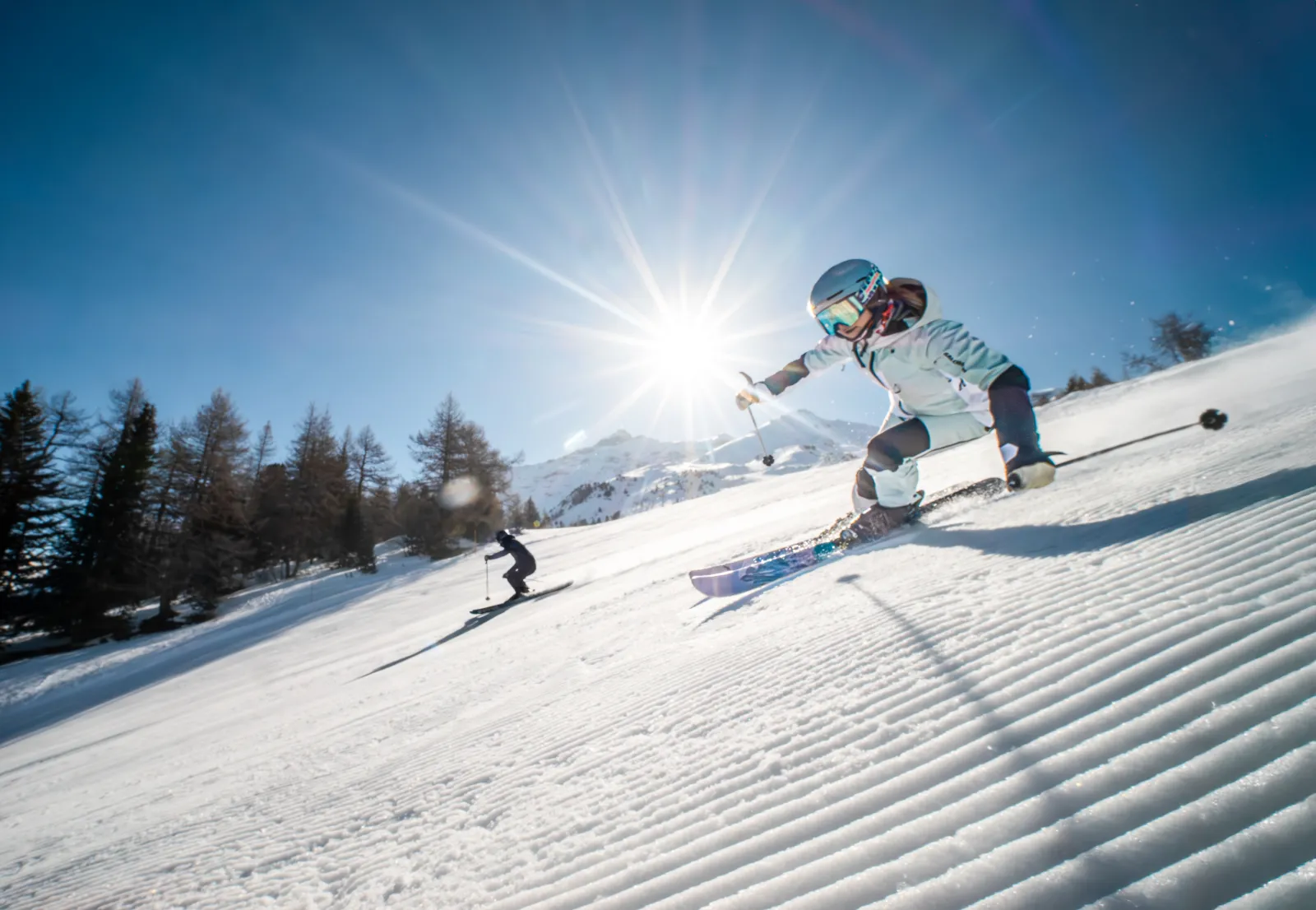
Approximately 70 per cent of visitors hitting the slopes here are French locals. This demographic creates a laid-back atmosphere and significantly shorter lift queues compared to busier neighbouring resorts, though numbers rise during French school holidays. Ski passes cost as little as €44 per day, offering a budget-friendly alternative to prices found at larger commercial destinations like La Plagne or Les Arcs.
The terrain provides a diverse spread of green, blue, and red slopes, alongside challenging black runs for advanced visitors. Groomed hills cater to skiers seeking wide, sweeping blue trails or more demanding, narrow red routes. Beyond standard runs, the area hosts L'Escargot, known as Europe's longest green run.
The History and Experience of L'Escargot
Measuring six miles in length, L'Escargot provides an ideal environment for adult beginners wanting to practise on an extended trail rather than standard nursery slopes. The path winds gently between trees, allowing visitors to enjoy mountain scenery while resting their legs between steeper sections. During summer months, this same route functions as the Mont-Cenis pass, originally constructed by Napoleon Bonaparte to move troops into Italy more rapidly.
Covered in winter snow, the trail guides visitors slowly back towards the village, matching the pace of its snail namesake. The path leads conveniently toward ski-in-ski-out lodging hosted by tour operator Sunweb. The four-star Hotel Saint Charles sits directly beside the ski school meeting point, allowing guests to catch the earliest morning lifts.
Local Food and Wildlife in the French Alps
After a morning on the pistes, visitors can stop at L'Alpage d'Augustin, a family-run lodge situated directly on the slopes. Dining here includes hearty burgers topped with local blue cheese, accompanied by glasses of genepi, a herbal liqueur produced using flowers grown outside the restaurant during summer. Exploring beyond the pistes, guided snowshoeing excursions through the countryside provide opportunities to observe regional wildlife.
Local mountain guide Karine leads groups toward the remote borders of the Vanoise National Park. Using a telescope, guides point out ibex and wild mountain goats leaping across rocky peaks while eagles and vultures circle overhead. Midday breaks feature mountain picnics consisting of saucisson, creamy beaufort cheese made nearby, and wooden jugs of spiced mulled wine.
Evening Traditions and Alpine Feasts
Evenings conclude with traditional alpine dining experiences, including raclette served with heaps of potatoes, cornichons, and salami. While amateur pursuits in Val Cenis may not lead to professional athletic selection, visiting the region offers an authentic view of the French Alps far away from crowded tourist hubs.