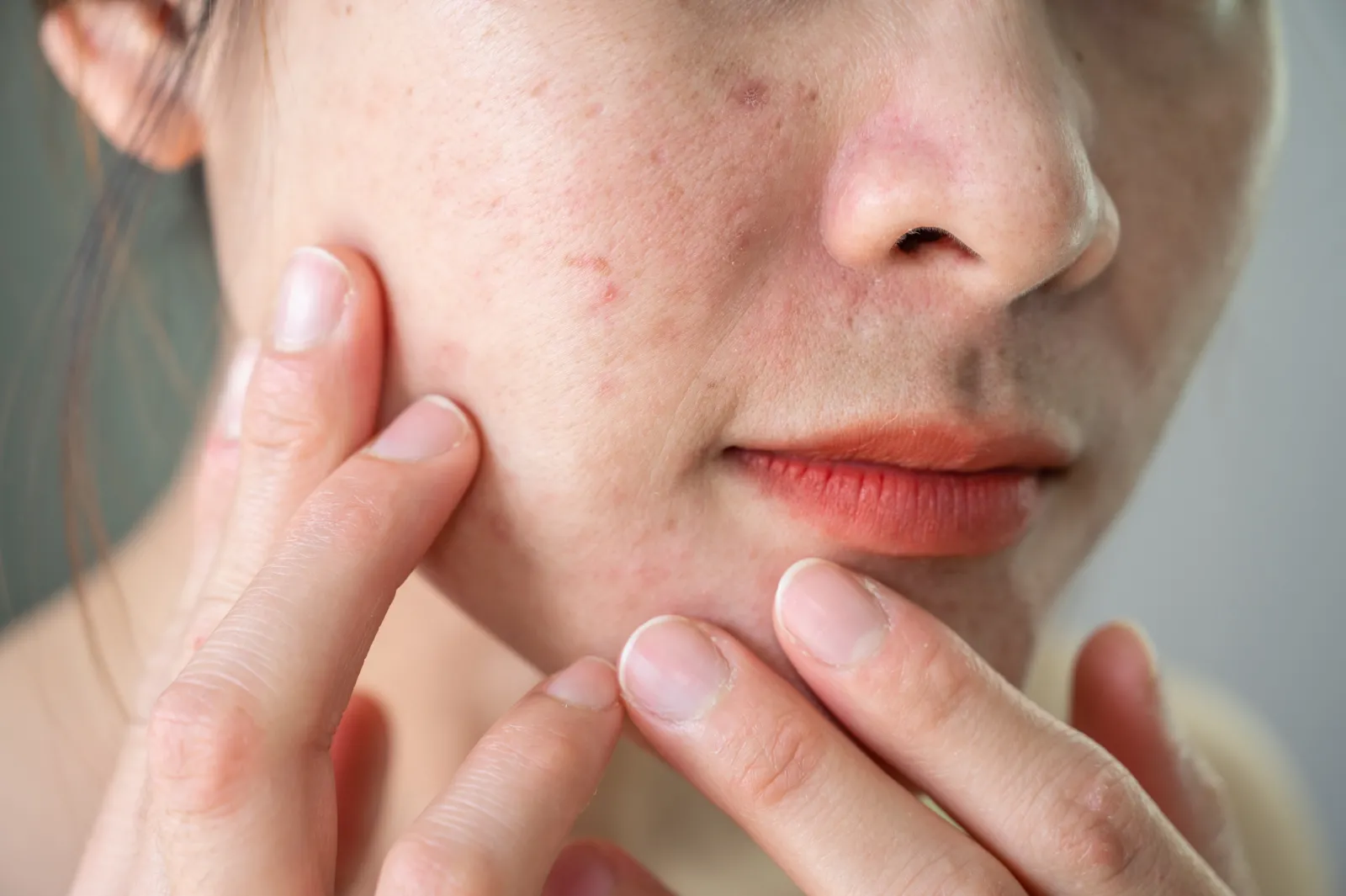
While dark spots or flaking can often be explained by external factors, like too much sun or central heating, skin problems can also be a revealing portal into your inner health. The skin is our largest organ and closely connected to the immune, hormonal, and nervous systems, according to Dr Paris Acharya, founder of Clinic Dr Paris. Persistent symptoms can sometimes reflect inflammation, hormonal issues, nutritional deficiencies, allergies, or other health imbalances. Understanding these internal signals can help you catch underlying medical conditions early before they develop into more severe health concerns.
Experts emphasize that relying solely on topical skincare treatments often fails if an internal imbalance drives the issue. Medical professionals note that skin changes serve as early warning signs for conditions ranging from simple vitamin deficiencies to complex metabolic disorders and organ dysfunction. By paying close attention to where spots appear, how dry or oily the texture becomes, and whether unusual colors or cracking develop, patients can gain valuable insights into their overall well-being. Knowing when to consult a general practitioner ensures that any hidden systemic illnesses receive proper diagnosis and medical management alongside any cosmetic routines.
Why Spotty Skin Often Signals Hormonal Fluctuations
Sadly, acne isn't solely a teenage affliction, and where it appears can give you clues about its causes. It can often reflect hormonal fluctuations rather than just bad skin, notes Dr Acharya. Breakouts around the jawline and chin are often linked to these fluctuations, particularly an increase in male hormones called androgens. This can be worse around your period or during perimenopause, or as a result of polyendocrine metabolic ovarian syndrome.
One in eight women are estimated to have PMOS, formerly known as PCOS, which occurs when higher than normal androgen levels lead to irregular periods, excess facial or body hair, weight gain, and infertility. Up to seventy percent of affected women do not know they have it, according to the World Health Organization. There is no single cure for PMOS, but symptoms can often be managed through medications to regulate hormones, as well as skin treatments for acne or pigmentation, says Dr Acharya. Meanwhile, forehead spots can be caused by hair products, sweat, or stress. To treat your acne, choose retinoids or products with salicylic acid, benzoyl peroxide, and azelaic acid, while severe cases might require a visit to the GP and a prescription.
What Dry Skin and Flaking Tell You About Diabetes
Going hard on skincare products can sometimes rebound against your complexion. Increasingly, skin specialists are seeing patients whose skin has become sensitised from excessive exfoliation and product layering fuelled by social media trends, according to Dr Acharya. The overuse of retinol or acids can cause dryness, adds Dr Sarah Takroni, founder of London's Takroni Clinic, though weather changes, air conditioning, heating, or dehydration can also be to blame.
Start by drinking six to eight cups of water a day, then look at strengthening your skin barrier because damage can allow moisture to escape faster, causing a rough texture. For dry skin, look for topicals that contain ceramides, urea, hyaluronic acid, niacinamide, and glycerin, says Dr Takroni. If you notice dry, inflamed, or itchy patches on your body, particularly on the elbows, hands, and knees, it may be eczema. Conditions such as diabetes can affect the skin, too, causing dry, scaly patches on the legs. High blood sugar can dehydrate skin, explains Dr Takroni, and patients should see a GP if they are concerned about diabetes or are experiencing symptoms like increased thirst and tiredness, slow healing wounds, and genital itchiness.
How Yellow Skin Can Indicate Serious Liver Disease
If your face has turned a yellowy hue, it might indicate jaundice, which is caused by a build-up of bilirubin in the body, says Dr Takroni. Your liver usually gets rid of this substance, so high amounts of bilirubin can indicate liver issues. Jaundice could be caused by alcohol-related liver disease, gallstones, or hepatitis. Patients may notice the whites of their eyes turning yellow, itchy skin, darker pee, and paler poo than usual, and experts warn people not to ignore these signs.
If someone notices yellowing of the skin or the eyes, they should go to the doctor urgently. To help get rid of the excess bilirubin, a doctor may offer nutritional advice, such as increasing fibre, or stopping alcohol or certain medications, she adds. Prompt medical intervention is vital when liver function is compromised to prevent permanent organ damage and address the root cause of the bilirubin accumulation.
The Connection Between Oily Skin and Insulin Resistance
Is a sheen showing through your make-up despite a generous dusting of powder? Oily skin is often genetic, says Dr Acharya, though PMOS and stress can also be to blame. To reduce oiliness without stripping skin, she recommends products containing niacinamide, retinoids, or azelaic acid. Insulin resistance, where your body stops responding to insulin and struggles to manage your blood sugar, can be a cause, too, affecting people with and without diabetes.
Insulin resistance leads to higher insulin levels in your bloodstream, which can cause your skin's oil glands to release more, leading to shine and breakouts, says Dr Acharya. Other signs include tiredness after eating, sugar cravings, skin tags, or dark, velvety skin around your temples, neck, or underarms. Reducing blood sugar spikes with the help of a healthy diet, sleep, exercise, and stress management can all help and should lead to a change in oil levels.
Why Cracked Mouth Corners Point to Nutrient Deficiencies
Painful splits at the corners of your mouth, known as angular cheilitis, are surprisingly common. They can be linked to irritation from saliva, lip-licking, or fungal overgrowth, says Dr Acharya. Saliva collecting at the corners of the mouth creates a damp environment where yeast thrives, particularly in people who lip-lick frequently, wear poorly fitting dentures, have dry skin, or have a weakened skin barrier.
It could also be a warning that you are low in certain nutrients. Nutrient deficiencies, particularly iron, zinc, and B vitamins, can impair the skin barrier and reduce the skin's ability to repair itself properly, making the delicate corners of the mouth vulnerable to inflammation and splitting, says Dr Acharya. Red meat, chicken, shellfish, and eggs contain iron, B vitamins, and zinc, while nuts, seeds, beans, and lentils have some iron and zinc. If you follow a plant-based diet, you could be low in vitamin B12. Your GP may be able to offer you a blood test to check or recommend supplements, and patients can try using barrier balms like Vaseline or a prescription treatment if it gets very painful.
When Itchy Skin Points to Histamines and Organ Issues
Can't stop scratching? Think about what you are putting in your body, as well as on it. Histamine is a chemical involved in the body's immune response and, for some, elevated histamine levels or histamine intolerance may contribute to flushing, itching, hives, and skin reactivity, explains Dr Acharya. Stress, alcohol, spicy foods, and certain medications can exacerbate it, and clinics often see this alongside rosacea-prone or highly reactive skin.
Aside from itching, rosacea can cause stinging, facial redness, visible blood vessels, and pus-filled bumps on the face. If your body is also itchy, liver issues, iron deficiency, or medication reactions could be the cause. Visit your GP if you are experiencing persistent or severe itching. A doctor may suggest antihistamines, topical steroids, prescription anti-inflammatory creams, or investigations such as blood tests or allergy testing, advises Dr Acharya.
When to See a GP for Skin Problems
Dr Takroni advises that generally speaking, if something is away from your baseline of normal and you are getting other symptoms, it is worth going to your doctor to rule out any underlying deficiencies or medical conditions so that you are not fighting an uphill battle with skin creams alone. Professional medical evaluation ensures that patients receive accurate diagnoses rather than relying solely on trial and error with over-the-counter beauty products.