Vivo Begins Mass Production of Massive 12,000mAh Smartphone Battery
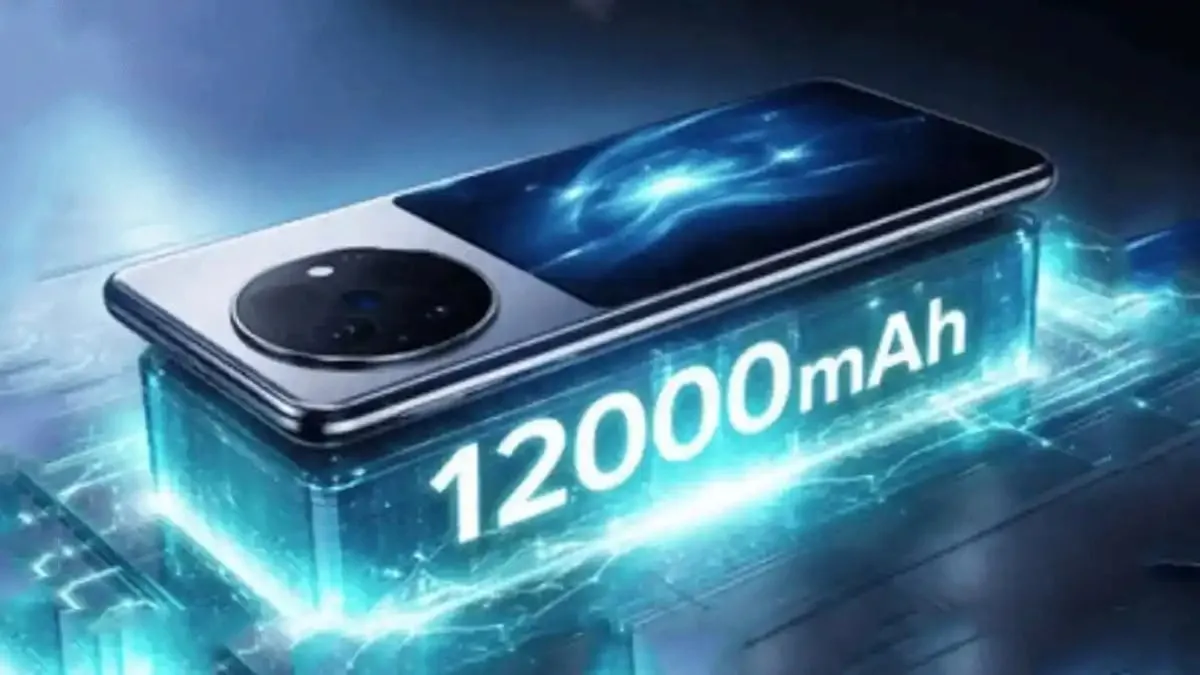
Vivo has reportedly started mass production for an upcoming smartphone battery boasting a massive capacity of 12,000mAh. According to industry reports, this development brings the manufacturer significantly closer to commercializing mobile devices equipped with exceptionally large power reserves. The reported battery features a precise rated capacity of 11,970mAh, marking a major milestone in mobile hardware development. This production update directly follows earlier leaks indicating that the company was actively testing power cells with typical capacities ranging anywhere from 11,000mAh to 12,000mAh.
Despite the advancement in manufacturing, industry sources have not yet revealed which specific smartphone model will integrate the new power unit. The exact timing of its first commercial appearance on the market remains entirely unclear at this stage. Meanwhile, the technology giant recently introduced the Y600 in China, a device that already features a substantial 10,000mAh battery. Market observers note that this specific handset operates as a rebranded version of the S2 FE, which is also marketed under the name V80 Lite in select international regions.
Understanding Mobile Battery Capacities and Power Standards
Modern smartphones typically rely on internal power cells ranging from 4,000mAh to 5,000mAh, designed to last a single day under normal usage conditions. Battery capacity is measured in milliampere-hours, indicating the total electric charge a power cell can deliver over time. A higher rating generally translates to extended operational longevity between charges, reducing the need for constant replenishment. Scaling these components up to 12,000mAh represents a massive leap that more than doubles the standard power capacity found in flagship mobile devices today.
Engineering power cells of this scale for slim handheld devices presents notable challenges regarding physical thickness, weight, and thermal management. Manufacturers must develop advanced chemical compositions and high-density silicon-carbon materials to pack significantly more energy into a compact frame. Implementing these ultra-large power units allows manufacturers to target demanding users who require uninterrupted operation for multiple days without access to a wall charger or portable power bank.
Future Developments and Even Larger Power Cells in Testing
Beyond the current production run of the 12,000mAh component, the corporation is reportedly pushing boundaries even further. Industry insider Digital Chat Station claims that the manufacturer is already testing power cells with even higher capacities designated for future device releases. These experimental units are reportedly being developed specifically for upcoming hardware featuring larger display panels. Larger screens consume considerably more power, making high-capacity power solutions essential for maintaining acceptable device runtimes.
If these ongoing hardware developments proceed as planned, the company could soon introduce consumer mobile devices with operational capacities extending well beyond today standard market offerings. However, corporate leadership has yet to release any official statements or technical details concerning these upcoming devices. Industry analysts suggest waiting for formal announcements before drawing conclusions about release dates, regional availability, or final pricing structures for these high-capacity mobile handsets.
What This Means for the Mobile Industry and Consumers
The push toward ultra-large power reserves signals a shifting priority among manufacturers toward device longevity and endurance. For average consumers, a device housing a 12,000mAh power cell could eliminate battery anxiety entirely, offering multi-day endurance for travel, work, and entertainment. Power users, mobile gamers, and field professionals stand to benefit the most from hardware capable of sustaining heavy workloads for extended periods. As mass production ramps up, competitors in the mobile market may feel pressured to adopt similar high-capacity power technologies to remain competitive.
However, practical considerations such as charging speeds and physical ergonomics will dictate how successfully these high-capacity handsets are received by the public. Heavy power units require advanced rapid-charging protocols to replenish fully within a reasonable timeframe, avoiding hours tethered to a wall outlet. Consumers should monitor upcoming official product showcases to see how engineers balance massive power capacity with everyday usability, sleek design profiles, and thermal efficiency.