OpenAI Rumored Smartphone Project Moves Forward With Foxconn
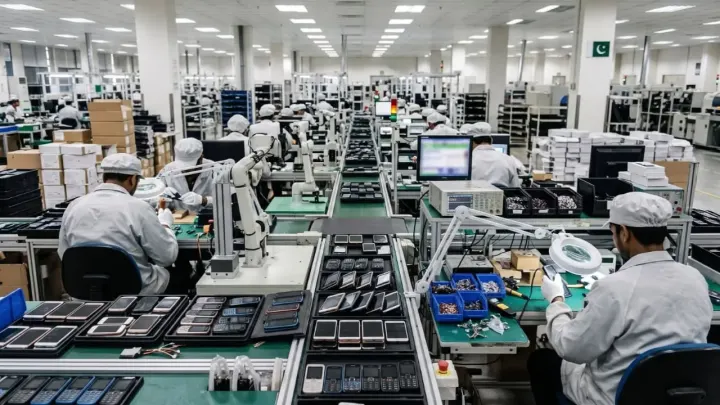
The artificial intelligence research organization behind ChatGPT is reportedly advancing plans to release its own branded mobile device. Industry insiders indicate that the hardware project has taken a significant step forward as manufacturing partnerships begin to take shape. Foxconn, known globally for assembling consumer electronics for major technology firms, has emerged as the primary contender to build the upcoming hardware. According to supply chain sources familiar with the matter, a specific subsidiary under the massive manufacturing umbrella has secured the production order. The development signals a major diversification strategy for the creator of advanced language models, shifting attention from software interfaces to physical consumer hardware.
While official confirmations remain absent from both corporate entities, the whispers surrounding the initiative point to a complex supply chain network. The reported manufacturing deal involves FIH Mobile, a subsidiary of Foxconn, taking charge of putting the physical device together. A separate report supports this claim, suggesting that the tech sector is closely watching how an artificial intelligence pioneer transitions into mobile phone manufacturing. Securities Times notes that product plans, order size, and mass production schedules remain unconfirmed at this stage.
Which Suppliers Are Involved in the OpenAI Smartphone Project?
Building a modern mobile device requires a vast ecosystem of component makers, and the rumored OpenAI phone relies heavily on established names in the consumer electronics sector. Several key suppliers traditionally associated with Apple's iPhone supply chain are reportedly slated to handle component production for the new device. These manufacturing partners include Luxshare Precision, Lingyi iTech, and AAC Technologies. The involvement of these specific firms highlights the interconnected nature of modern electronics manufacturing, where the same factories often build devices for competing brands.
The reported involvement of Luxshare Precision draws particular attention from industry analysts. Analyst Ming-Chi Kuo previously identified Luxshare as the exclusive co-design and manufacturing partner for the OpenAI device. However, the latest reports indicate that Luxshare's reported role has now shifted toward handling component production rather than exclusive assembly. This evolution in the supply chain layout suggests that the project is still defining the exact responsibilities of its manufacturing partners before mass production begins.
Expected Hardware Specifications and Technical Architecture
Technical details regarding the device remain largely unconfirmed by the primary companies involved. Even so, earlier industry analysis provides a clear picture of what the internal architecture might feature. Previous reports from Ming-Chi Kuo outline plans for the device to run on a custom MediaTek Dimensity 9600 chipset. This specialized processor would reportedly use TSMC's advanced N2P manufacturing process, allowing for high computational efficiency and processing power suited for running complex artificial intelligence models locally on the device.
Beyond the primary processor, the hardware configuration is expected to include several high-end components to support intensive computing tasks. Expected hardware features include:
- A dual-NPU architecture designed to handle specialized artificial intelligence workloads
- LPDDR6 RAM for high-speed data transfer and multitasking performance
- UFS 5.0 storage for rapid file access and application loading
- An advanced camera system intended to help the phone understand its physical surroundings
The inclusion of a camera system capable of interpreting the surrounding environment points toward a device deeply integrated with visual intelligence capabilities. Such features would align with the core competencies of a company focused on machine learning and multimodal artificial intelligence applications.
Projected Shipment Volumes and Launch Timeline
Current industry estimates point to a commercial release happening further down the line. The device could launch in late 2027 or sometime in 2028, giving the engineering teams ample time to finalize the hardware and software integration. Early projections from supply chain analysts estimate that shipments could reach 30 million units across the 2027 and 2028 period. However, market watchers emphasize that achieving these numbers depends entirely on the development process staying strictly on schedule.
Securities Times reports that final product plans, total order sizes, and concrete mass production schedules remain unclear. Because OpenAI and Foxconn have yet to formally confirm the reported manufacturing deal, these figures represent early estimates rather than guaranteed production quotas. Delays in component sourcing or software optimization could easily shift the projected release window.
Tensions Rise Between OpenAI and Apple Amid Manufacturing News
The choice of Foxconn as a potential assembler brings an ironic twist to the project, given the current corporate climate between OpenAI and Apple. The smartphone project is emerging amid growing legal and operational tensions between the two tech giants. Both companies are currently involved in a legal dispute over alleged trade secret theft, creating a complicated backdrop as OpenAI enters a manufacturing network heavily tied to Apple's supply chain.
Last month, OpenAI filed its own lawsuit against Apple, accusing an Apple employee of stealing proprietary information concerning an unreleased product. This legal confrontation adds another layer of friction as the artificial intelligence firm works with suppliers that also build millions of iPhones every year. As the manufacturing plans continue to develop, industry observers will monitor how these corporate rivalries impact component availability and supply chain partnerships.