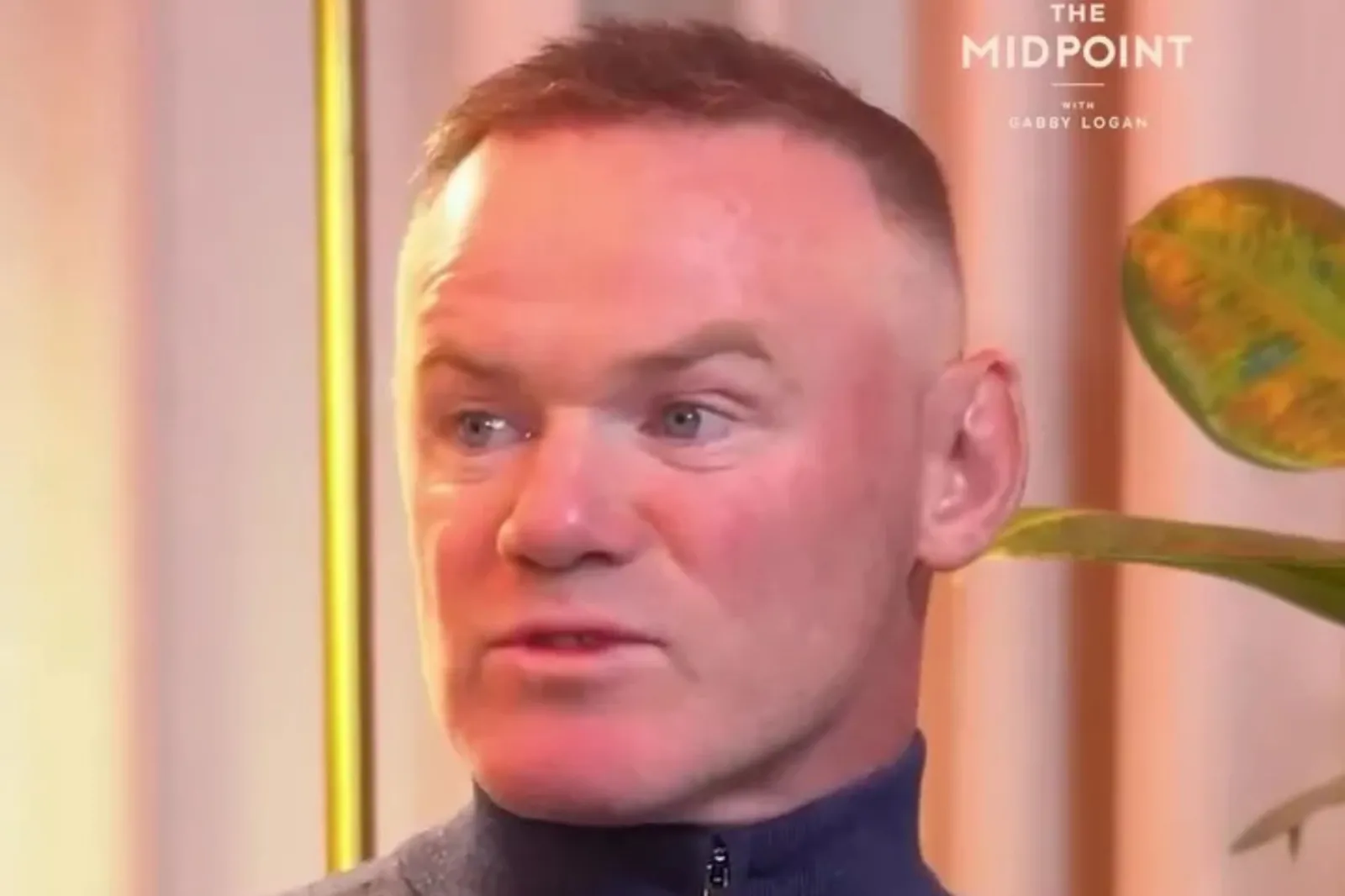
Wayne Rooney, 41, told the Life At The Midpoint Podcast with Gabby Logan that he regularly locked himself in his house for two days at a time to drink during the peak of his Manchester United career.
The former Everton prodigy and England captain said the behaviour continued until he hit what he described as "rock bottom" in his mid-20s, after which he began to confront the pressure of fame and the mental health toll it took.
What Rooney Said on the Podcast
During the interview Rooney said, "To be honest it took until probably my mid 20s, to be honest. Hitting rock bottom basically, to go and get through that and then start feeling comfortable." He added that the low point involved drinking for two days straight while still attending training sessions.
Logan asked him to describe the routine, and Rooney replied, "Well I was drinking, I'd lock myself in the house for two days and just drink. And this is probably at the best part of my career playing wise. I'd have a couple of days off and come home and I'd sit in, like a games room, and I'd sit there and I'd drink for two days. I'd be going, getting up in the morning for training."
When pressed about why he chose alcohol, Rooney explained, "Yeah, I'd be putting eye drops in, chewing gum, whatever, and go in to train. I couldn't deal with all the pressures of everything. Obviously the pressure of football I think was alright with, and I made stupid choices as well when obviously when I was younger, off the pitch, and I really struggled to deal with it all to be honest."
How the Pressure Built
Rooney's career trajectory is well documented. He burst onto the professional scene as a 16-year-old at Everton, scoring a debut goal that announced his arrival. A high-profile transfer to Manchester United in 2004 placed him under the intense scrutiny of a global fan base, a demanding manager in Sir Alex Ferguson, and constant media attention.
During his ten-year spell at Old Trafford the club won three Premier League titles, an FA Cup, and a Champions League trophy. The success brought fame, endorsement deals, and a relentless schedule of matches, travel, and press obligations. Sports psychologists note that such environments can amplify stress, especially for young athletes who lack coping mechanisms.
Rooney's own words confirm that the spotlight felt "far from ready" for him. He said, "It was only then when I spoke to Coleen, I spoke to my mum and I opened up about it, Coleen especially knew what was going on. But it's only really when vocally I opened up and I knew I needed help to get through it."
Impact on Mental Health and Suicide Thoughts
Rooney admitted he "contemplated suicide" during the period of heavy drinking. He described a feeling of isolation: "I just didn't want to be around anyone. I didn't want to see people in the shops. I was always comfortable on a football pitch, training on a football pitch, but everything else I really struggled with."
The admission aligns with broader data on male mental health in the UK. Every 90 minutes a life is lost to suicide, and men are three times more likely to take their own life than women. The football world has seen several high-profile cases, highlighting the need for open dialogue.
Steps Toward Recovery
After the low point, Rooney says he gave up drinking for a period, then returned to casual consumption before finally quitting entirely six months ago. He reports a "visual transformation" that includes losing three stone, a change he attributes to sobriety and a new focus on fitness.
His public discussion of the issue coincides with increased awareness campaigns within sport. The Professional Footballers' Association (PFA) runs a mental health helpline and provides confidential counseling for current and former players. Rooney's story may encourage other athletes to seek help.
What This Means for Fans and the Wider Public
Rooney's revelations serve as a reminder that even celebrated athletes can suffer from mental health challenges. The openness can reduce stigma, prompting fans, families, and clubs to recognize signs of distress earlier.
For anyone struggling, the article includes a list of UK support organisations: CALM (0800 585 858), Heads Together, HUMEN, Mind (0300 123 3393), Papyrus (0800 068 41 41), and Samaritans (116 123). These resources are available 24/7 and offer confidential assistance.
What Comes Next
Rooney has not announced any formal partnership with mental-health charities, but his platform on "I'm A Celebrity - Get Me Out of Here!" could provide a venue for further advocacy. Observers will watch whether he participates in campaigns or speaks at events organised by the PFA or other bodies.
In the meantime, the football community continues to develop policies aimed at protecting player welfare. The Premier League's mental-health charter, introduced in 2022, requires clubs to provide regular psychological assessments and to embed mental-health education in youth academies. Rooney's experience underscores the importance of those measures.
Practical Takeaways for Readers
Anyone who feels overwhelmed by pressure, whether from work, sport, or public life, should consider the following steps:
- Talk openly with trusted friends or family members about feelings of distress.
- Seek professional help through a GP, therapist, or dedicated helpline.
- Avoid using alcohol or substances as a primary coping mechanism.
- Engage in regular physical activity, which can improve mood and reduce anxiety.
- Know the contact details of mental-health charities and crisis lines.
Rooney's story illustrates that reaching out for help can lead to recovery, even after years of hidden struggle.