Manchester City Financial Charges and the Fate of Fallen Football Giants
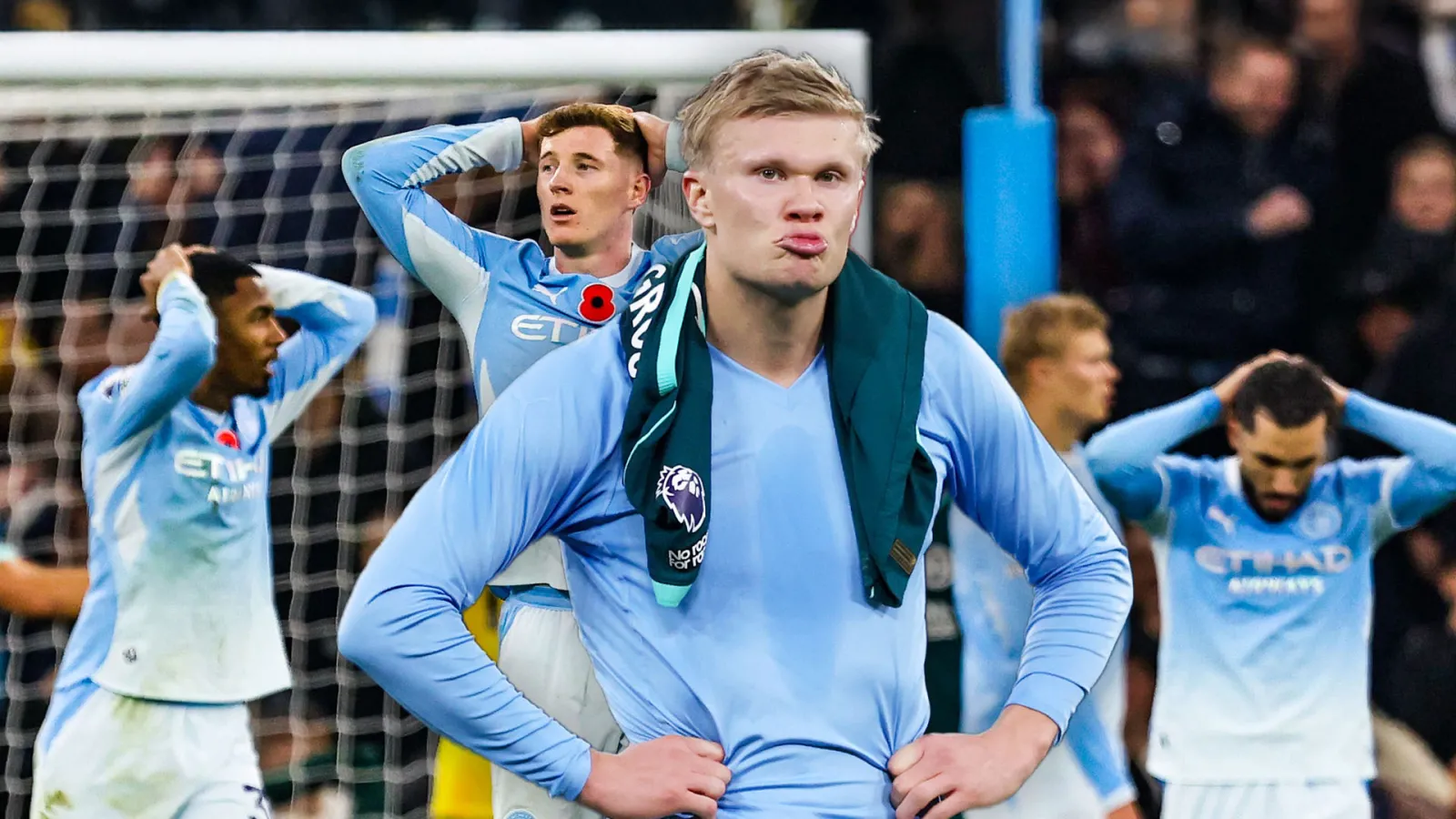
While some clubs climb towering beanstalks, others are destined for a never-ending slumber. Teams once dominating European football have found themselves rapidly tumbling from glory, with one side even residing in the Netherlands eighth tier. Manchester City were found guilty of all charges relating to serious financial breaches over a nine-year period. Fans on both sides are anxiously waiting to hear if the Premier League side will be dealt a fine, a massive points deduction, or even immediate expulsion. With City heading toward potential sanctions, many supporters would back their club on a speedy return to European giant status, but history shows that some former powerhouse teams fell and never got back up.
Football history is littered with cautionary tales of once-dominant institutions that lost their footing due to financial ruin, corporate splits, or administrative mismanagement. Examining these clubs reveals how fragile sporting success can be when economic foundations crumble. From Dutch pioneers to Scottish trailblazers, the landscape of European football contains numerous reminders that past glory does not guarantee future security. Understanding these trajectories provides essential context for modern clubs facing regulatory scrutiny.
DWS Amsterdam and the Dutch Lower Tiers
DWS Amsterdam were Dutch champions in 1964, making it all the way to the quarter-finals of the European Cup a year later. This season, they are in the eighth tier, but that is because of their 1972 merger where the football departments of AF DWS and FC Blauw-Wit Amsterdam merged to form FC Amsterdam. The aim was to challenge Eredivisie giants Ajax with their pooled resources at the Olympic Stadium. DWS split off to live out its days as an amateur club, while the new kid on the block made it all the way to the UEFA Cup quarter-finals two years later. But with dwindling finances and shrinking crowds, FC Amsterdam folded and dissolved in 1982.
The disappearance of FC Amsterdam remains a stark reminder of the risks involved in chasing regional dominance through artificial mergers. While Ajax sustained its position at the pinnacle of Dutch football, clubs that gambled their heritage on short-term competitive leaps often paid the ultimate price. Today, the remnants of DWS operate far from the bright lights of the Johan Cruyff Arena, serving local communities instead of continental aspirations.
NK Zagreb and Croatian Football Decline
At NK Zagreb home match on October 24, just 31 fans reportedly turned up. Last weekend, they cleared up in a 6-0 demolition of Zagreb 041, the club who were established by disillusioned former supporters. They famously broke the long-standing domestic dominance of Dinamo Zagreb and Hajduk Split when they became Croatian champions in 2002. But financial problems and spats with their fanbase followed, leaving them a shell of the team they once were.
The alienation of a loyal supporter base often accelerates a club down the divisions. When fans lose trust in ownership and management, matchday revenues plummet and the cultural connection breaks. The emergence of fan-owned alternatives like Zagreb 041 highlights how deeply supporters care about retaining the soul of their traditional institutions, even if it means starting over from the very bottom.
Sampdoria and Italian Glory Days
Kept afloat by Paolo Mantovani investment, Sampdoria lifted the Coppa Italia a huge four times between 1985 and 1994. They even pipped the others to the Scudetto in 1991, all while reaching three European finals, winning the Cup Winners Cup in 1991, only a year after losing to Johan Cruyff Barcelona in the final. After winning the 1991 championship, Gianluca Vialli, Toninho Cerezo, and Ivano Bonetti all dyed their hair blond for the final game, a 3-3 draw against Lazio. One of their players was Roberto Mancini, who is of course involved with the Manchester City investigation after managing the Cityzens between 2009 and 2013. After dipping a toe into Serie B in the coming decades, they have suffered major crises on the pitch and behind the scenes.
The reliance on wealthy benefactors in Italian football historically created high volatility. When ownership changed or funding dried up, clubs built on extravagant spending regularly found themselves unable to service debts. Sampdoria managed to retain a romantic legacy through their distinctive colours and golden era squads, yet modern economic realities in Serie A make sustaining that level of competitiveness exceedingly difficult without institutional backing.
Huddersfield Town and Early English Dominance
Huddersfield dominated with not one, not two, but three English titles from 1924 to 1926. The Terriers have now made their bed in League One, with the only memory of their prime living in the three stars on their shirts. Herbert Chapman may be the stand-out name for the third-tier club, but it was skipper Fred Bullock who rallied local support to stop the side moving to Leeds in 1919. And within just seven years, the club that nearly disappeared completed their hat-trick of English titles.
The early twentieth century witnessed tactical innovations under pioneering managers that elevated provincial towns to national prominence. As football industrialized and wealth concentrated in larger metropolitan areas, maintaining parity became an uphill battle for historic market towns. Huddersfield Town continues to wear its championship history proudly on its crest, representing an era when English football hierarchy was far more fluid.
Racing Club de France and Parisian Ambitions
Racing Club completed the domestic double 90 years ago, but now they lie 19th in Championnat National 1. The French side revelled in their heyday during the 1930s and 1940s as a dominant and fashionable front in Paris. But massive crowds and major silverware have faded into distant memory after Jean-Luc Lagardere Matra Racing, featuring the likes of David Ginola and Enzo Francescoli, fell apart. And the ambitious revival unravelled after the investor withdrew. Now, unlike rivals Paris Saint-Germain and their rugby counterpart Racing 92, they have spent an age bouncing between the lower leagues as they claw at a path back up the French football pyramid.
Capital cities in European leagues often struggle to support multiple clubs at the elite level. While Paris Saint-Germain eventually captured the financial backing required for global dominance, historic outfits like Racing Club were left behind. The transient nature of corporate sponsorship in French sport frequently leaves clubs vulnerable once their primary financial backers decide to exit.
Belenenses and the Hard Road in Portugal
C. F. Os Belenenses is the ultimate sleeping giant of Portuguese football after becoming champions in 1946. After a corporate split meltdown in 2018, the Liga 3 side rebuilt brick-by-brick through the regional leagues. Andre Serra played through all five successive promotions and scored the winner in their first win back in the professional leagues in 2023. but they have not reached the top of the beanstalk yet.
Corporate restructuring and internal governance disputes can shatter clubs far faster than poor results on the pitch. When Belenenses experienced its bitter administrative fracture, the sporting department had to separate from the club association. Rebuilding from the bottom tiers demanded immense resilience from players, staff, and remaining supporters who refused to let the historic name vanish.
Wiener Sport-Club and Austrian History
Wiener Sport-Club are three-time Austrian champions, winning the league in 1922, 1958, and 1959. Their Juventus humiliation is a standout moment of their giant status after handing them a 7-0 thrashing in the 1958 European Cup, overturning a 3-1 first-leg defeat. The club still commemorates the result with anniversary merchandise, maintaining a proud connection to their historic European exploits despite competing far away from the continental spotlight today.
Austrian football underwent significant commercial transformations over subsequent decades, leaving older traditional clubs overshadowed by corporate-backed entities and modern powerhouses. Despite competing in lower divisions now, Wiener Sport-Club preserves a distinct cultural identity rooted in Vienna's rich footballing heritage. Their famous European nights remain a touchstone for fans who value historical prestige over modern commercial success.
HIFK and Finnish Resurgence
HIFK men team has lived in the shadow of their cross-town rivals, HJK Helsinki, according to the history books. But they have still lifted seven Finnish championships, despite playing in the fourth-tier Kakkonen this season. The company running the first team crashed out in 2024 when they went bankrupt, and it was the reserves turn to step up. They became the senior side and 1,426 fans stayed to watch their team clinch promotion with a home win the following year.
Financial insolvency among operating companies in Nordic football leagues frequently forces clubs to restart their competitive journeys through reserve structures. When corporate management fails, the resilience of grassroots supporters often determines whether a storied club survives. HIFK demonstrated that community loyalty can fuel an immediate bounce back even after severe administrative collapse.
Dumbarton and Scottish League Struggles
Scotland League Two has come to lay claim to Dumbarton. It has been a modern decline for the fourth-tier side after they went into administration in November 2024, with a 15-point deduction and relegation in 2025. In June, the club announced they exited their administration. They are in a rather different spot to the team they once shared their first league title with in the inaugural Scottish league season. The 1890-91 campaign closed with Dumbarton and Rangers level on points, but even a championship play-off could not separate them. It finished two-all and the title was shared.
Scottish football has long wrestled with financial disparity between dominant Glasgow clubs and provincial teams. Administration processes offer a legal mechanism for debt restructuring, but they invariably inflict heavy sporting penalties that jeopardize league status. Dumbarton continues its long fight to recapture past glories from the nineteenth century within the modern lower divisions.