Theresa May Urges Andy Burnham to Accept Brexit
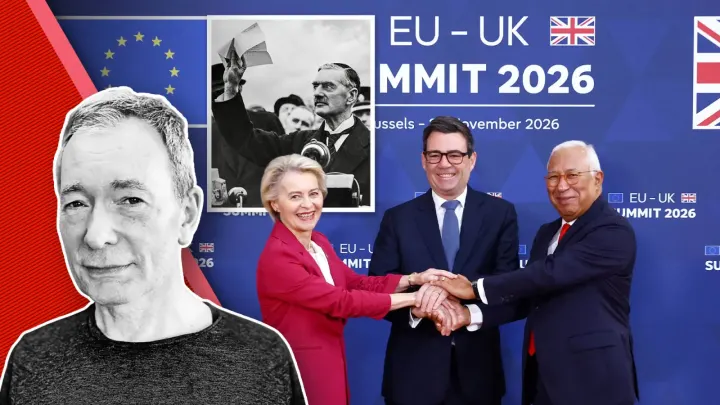
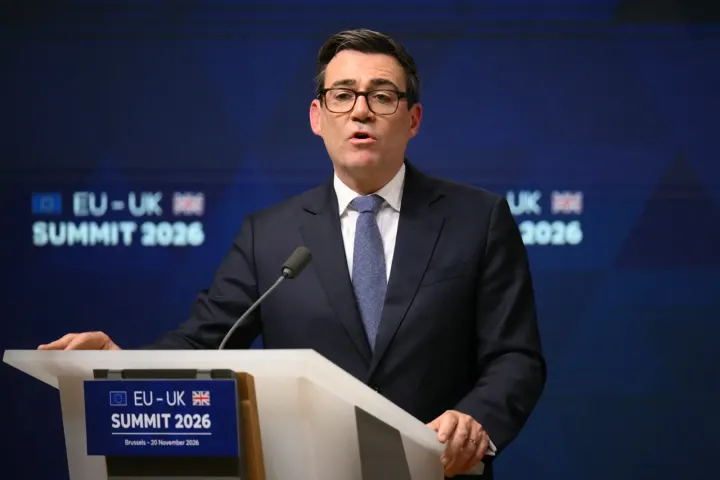
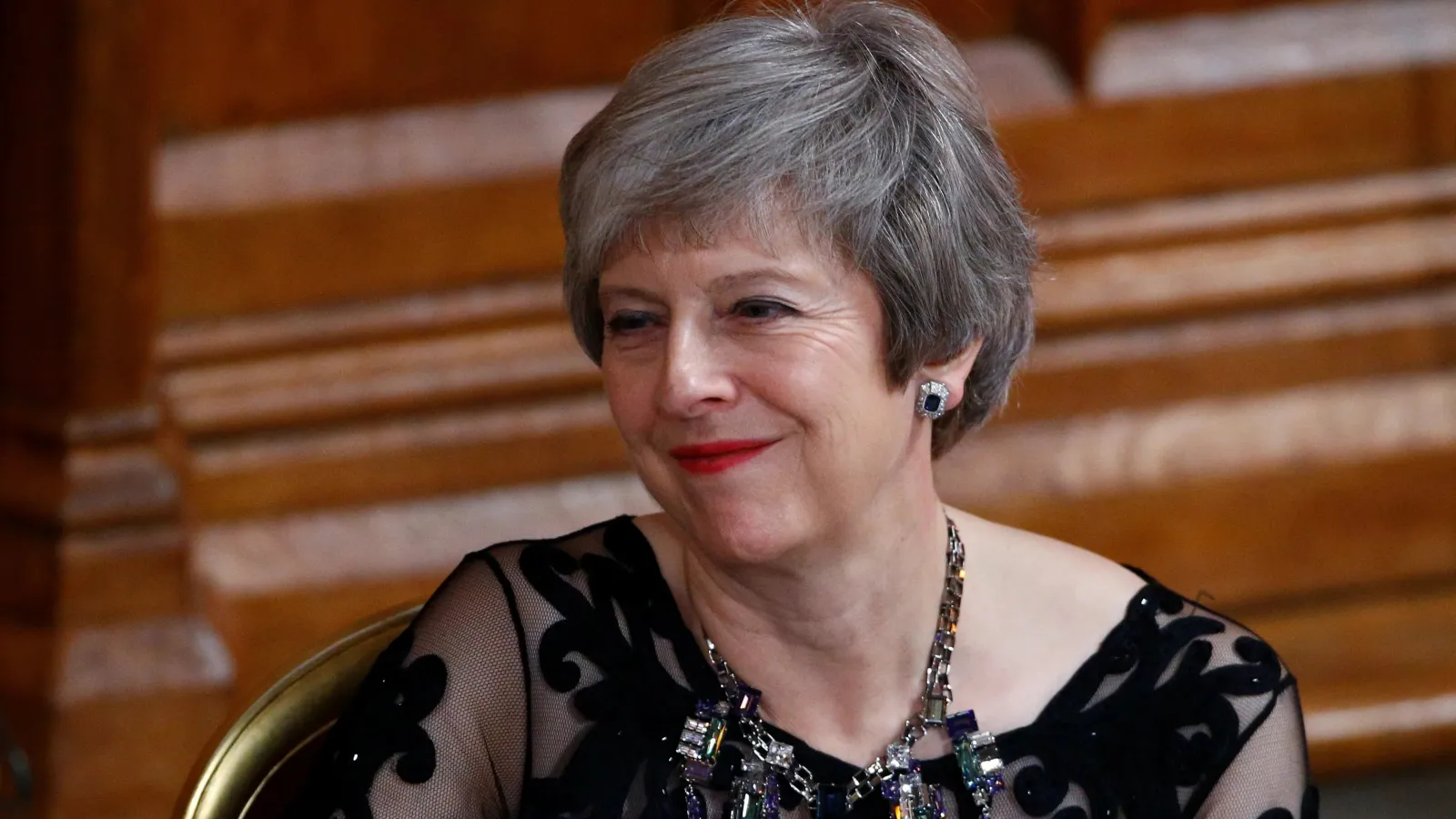
Former Prime Minister Theresa May has issued a sharp warning to Andy Burnham, telling him to move on rather than enter years of talks over rejoining the European Union. She revealed that she was aghast to see him considering Britain signing up to the bloc ten years after leaving the political and economic union. Her intervention highlights ongoing divisions within British politics regarding future relations with European neighbors. The comments follow a recent agreement signed by Mr Burnham with Brussels.
The deal brokered last week focuses on specific areas including youth mobility, carbon emissions and food standards. Baroness May, who left office after failing to secure parliamentary approval for her exit agreement, argued that politicians should concentrate on domestic challenges instead. She emphasized the immense administrative burden required for international negotiations. Her message to political figures is that the public voted to leave, and the country must accept the democratic result.
The Administrative Burden of EU Negotiations
Detailing the reality of high level talks with Brussels, the former leader explained the vast resources consumed by such diplomatic efforts. She noted that negotiations demand extensive hours across the entire machinery of government. This time commitment involves the prime minister, cabinet ministers and civil servants constantly traveling and debating terms. Hard bargaining is necessary to protect national interests, which drains energy from internal priorities.
Reflecting on her tenure in office, she maintained a consistent stance on delivering the mandate established by the referendum. She stated that the public made a clear choice, and leaders are obligated to respect that decision. Consequently, her direct advice to those revisiting the topic is to accept the new reality. The focus, in her view, belongs firmly on domestic policy rather than relitigating past constitutional disputes.
Tony Blair and Ed Miliband on Future EU Relations
The debate intensified as fellow former Prime Minister Tony Blair also demanded caution be shown over reversing Brexit. Sir Tony stated that Britain leaving the bloc was a mistake, but argued that the world has changed since the 2016 referendum. He explained that Britain should only sign up if more innovation on technology is allowed by Brussels. He clarified that he was painted as saying Britain should just go back and rejoin, but insisted his position is heavily conditioned.
Sir Tony pointed out potential risks involving regulatory divergence in the digital sector. He warned that if Europe moves in the wrong direction on technology innovation, which they might do and presently probably are doing, it is not a good idea for Britain to rejoin. Meanwhile, Foreign Secretary Ed Miliband told the BBC that all options will be on the table when it comes to the European Union. These contrasting statements demonstrate the wide spectrum of opinions held by senior political figures regarding the future path of the nation.
Background on the Brexit Process and Political Divisions
The departure of the United Kingdom from the European Union followed a referendum held in June 2016. Years of complex withdrawal agreements and legislative battles followed before the country officially left the bloc. Theresa May attempted to negotiate a compromise exit deal but faced severe political resistance in Parliament, leading to her resignation in 2019. Her successors continued the process, culminating in the formal implementation of new trade and cooperation frameworks.
Local leaders and regional figures have increasingly sought independent arrangements with international partners to address local priorities. Youth mobility and environmental regulations remain key areas of interest for regional authorities seeking closer ties with European counterparts. However, national leaders remain divided on whether such sectoral agreements risk eroding the boundaries established by the original withdrawal settlement. The debate continues to shape political discourse across the country as officials weigh international cooperation against domestic sovereignty.
What Next for British Foreign Policy and European Engagement
As political figures debate the merits of pursuing deeper ties with Brussels, observers are watching for formal policy shifts from the government. Foreign Secretary Ed Miliband stated that all options remain open, suggesting a flexible approach to future diplomatic discussions. At the same time, critics like Baroness May argue that reopening structural negotiations would be a misuse of government resources. The administration faces ongoing pressure to balance economic demands with the established parameters of the post withdrawal era.
Public interest remains high as regional leaders test the limits of cross border cooperation on issues like climate change and travel. Citizens and businesses will need to monitor how central authorities respond to these localized initiatives. Future developments will depend on whether Whitehall decides to pursue broader harmonization with European regulations or maintains strict independence from the bloc. The coming months will likely clarify the official stance on international agreements and regional diplomacy.