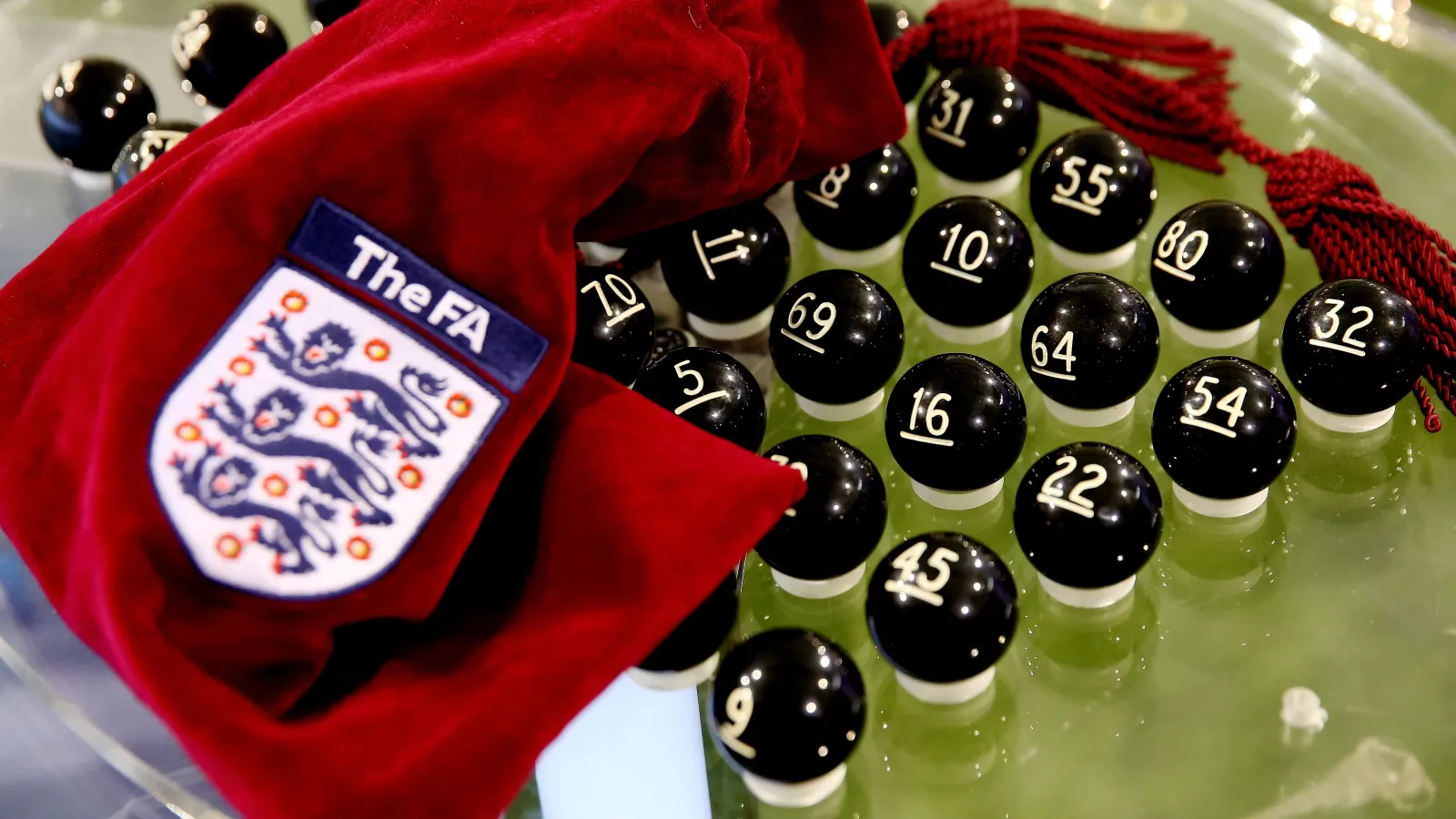
When Is FA Cup 2nd Round Draw And How To Watch It Live
The iconic FA Cup has returned for another thrilling season, and the eagerly awaited draw for the second round is fast approaching. Football enthusiasts across the country are turning their attention to the next stage of the world-famous knockout tournament. On Friday night, former Premier League champions Leicester saw off sixth tier Oxford City side to advance to the next stage with a 4-2 win, setting the tone for an exciting weekend of cup action.
A total of 80 teams feature in the first round proper, including 48 professional clubs from League One and League Two and the 32 non-league sides that successfully navigated the qualifying rounds. The next stage sees the 40 victorious clubs from the opening round face off to secure a place in the highly anticipated third round, when the Premier League big boys enter the competition. The ultimate goal for the smaller clubs is to land a lucrative tie against one of English football's elite.
The draw for the second round of the FA Cup is scheduled to take place on Monday, November 9. Football fans in the UK can tune in to the draw on TNT Sports 1 and HBO Max. The draw will be conducted live from Devon before the final match of the first round proper between non-league sides Plymouth Parkway and Berkhamsted.
TNT regular Jules Breach will host proceedings, with Karen Carney and Joel Ward pulling out the balls. The draw will begin at approximately 6:45pm GMT, with the match itself kicking off at 7:30pm GMT. Fans can also watch the draw for free via the TNT Sports YouTube channel. The second round matches will be played across Friday, December 4 to Monday, December 7 to accommodate live television selections.
Understanding The History And Format Of The FA Cup First Round
The Football Association Challenge Cup, commonly known as the FA Cup, stands as the oldest national football competition in the world. Established in the 1871-72 season, it allows clubs of all sizes from various tiers of the English football league system to compete against one another. The sheer scale of the tournament creates a unique environment where semi-professional and amateur players can share the pitch or dream of facing established professional superstars.
The journey to the second round is grueling, requiring teams to fight through multiple qualifying phases before even reaching the first round proper. Non-league clubs view a deep run in this historic competition as a transformative financial opportunity. Gate receipts, broadcast revenue, and potential ties against massive Premier League clubs can secure the financial stability of smaller community-focused teams for years.
As the opening weekend unfolds, clubs from League One and League Two join the survivors of the qualifying rounds. Every match carries immense weight, as an upset can instantly alter a club's season. The psychological boost of defeating a higher-ranked opponent often sparks remarkable league form for lower-tier sides.
FA Cup First Round Fixtures And Schedule
The opening round spans several days, featuring a packed schedule of matches across England. All kick-off times are 3pm GMT unless stated otherwise. The action begins on Friday, November 6, with Bristol Rovers securing a 2-0 win against Cambridge United, alongside Leicester City taking their 4-2 victory over Oxford City.
Saturday, November 7 hosts the vast majority of the opening fixtures. The matchups include Accrington Stanley v Wycombe Wanderers, Barnet v Tranmere Rovers, Barnsley v Aldershot Town, Boreham Wood v Wigan Athletic, Bradford City v Marine, Bromley v Rotherham United, Burton Albion v AFC Rushden & Diamonds, Carlisle United v Salford City, Cheltenham Town v Halifax Town, Chesterfield v Yeovil Town, Colchester United v Worcester City, Crewe Alexandra v AFC Wimbledon, Dover Athletic v Wealdstone, Eastleigh v Shrewsbury Town, Fleetwood Town v Rochdale, Gillingham v Barrow, Guiseley v Sutton United, Harrogate Town v AFC Fylde, Hornchurch v Blackpool, Huddersfield Town v Exeter City, Kidderminster Harriers v Doncaster Rovers, Leyton Orient v Harborough Town, Luton Town v Forest Green Rovers, MK Dons v Swindon Town, Mansfield Town v Macclesfield, Newport County v Walsall, Oxford United v Stevenage, Plymouth Argyle v Alvechurch, Port Vale v Scunthorpe United, Salisbury v Sholing, and York City v Northampton Town. Later Saturday games feature Altrincham v Notts County at 5.30pm and Peterborough United v Reading at 8pm.
Sunday, November 8 brings four more encounters to the calendar. Stafford Rangers face Grimsby Town at 12pm, Cray Wanderers meet Stockport County at 2.15pm, Wimborne Town play Crawley Town, and Oldham Athletic host Sheffield Wednesday at 5.15pm. The first round proper concludes on Monday, November 9, with Plymouth Parkway taking on Berkhamsted at 7.30pm.
FA Cup Second Round Ball Numbers
Following the conclusion of the opening fixtures, the 40 winning combinations will be assigned specific ball numbers for the official draw. These numbers dictate the pairings for the next knockout phase. Below is the complete list of ball numbers for the second round draw:
1. Dover Athletic or Wealdstone
2. Mansfield Town or Macclesfield
3. Huddersfield Town or Exeter City
4. Luton Town or Forest Green Rovers
5. Bristol Rovers
6. Oldham Athletic or Sheffield Wednesday
7. Kidderminster Harriers or Doncaster Rovers
8. Leyton Orient or Harborough Town
9. Accrington Stanley or Wycombe Wanderers
10. Milton Keynes Dons or Swindon Town
11. Newport County or Walsall
12. Bromley or Rotherham United
13. Barnet or Tranmere Rovers
14. Fleetwood Town or Rochdale
15. Barnsley or Aldershot Town
16. Plymouth Parkway or Berkhamsted
17. Chesterfield or Yeovil Town
18. Gillingham or Barrow
19. Harrogate Town or AFC Fylde
20. Crewe Alexandra or AFC Wimbledon
21. Oxford United or Stevenage
22. Burton Albion or AFC Rushden & Diamonds
23. Cray Wanderers or Stockport County
24. Port Vale or Scunthorpe United
25. Cheltenham Town or FC Halifax Town
26. Colchester United or Worcester City
27. Eastleigh or Shrewsbury Town
28. Peterborough United or Reading
29. Wimborne Town or Crawley Town
30. Plymouth Argyle or Alvechurch
31. Hornchurch or Blackpool
32. Guiseley or Sutton United
33. Stafford Rangers or Grimsby Town
34. Leicester City
35. Bradford City or Marine
36. York City or Northampton Town
37. Altrincham or Notts County
38. Boreham Wood or Wigan Athletic
39. Carlisle United or Salford City
40. Salisbury or Sholing
Impact Of The FA Cup On Lower League And Non-League Clubs
The financial ramifications of reaching the second round and beyond extend far beyond simple sporting prestige. For non-league outfits operating on tight weekly budgets, television broadcast fees and shared gate receipts provide vital capital. These funds often support stadium improvements, youth academies, and operational security for entire seasons.
Players competing in these rounds often balance day jobs with rigorous training schedules, making a cup run an unforgettable personal achievement. Facing professional opposition offers a rare stage to showcase talent to scouts from higher divisions. The romantic appeal of the tournament lies heavily in these David versus Goliath narratives.
As clubs wait for the ball numbers to be drawn, managers and players alike focus on maintaining momentum in their respective leagues. Winning breeds confidence, and a successful cup run can galvanize a fanbase. The upcoming fixtures in December will test the depth and resilience of every squad that manages to progress past the first stage.