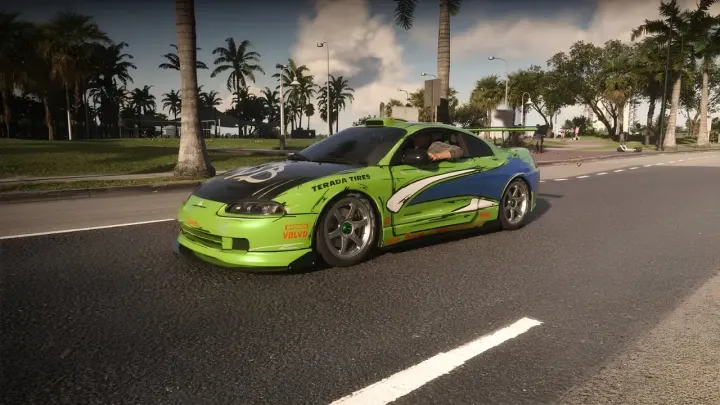
Grand Theft Auto 6 Global Dominance and the Japanese Market
Grand Theft Auto 6 currently dominates the PlayStation Store sales charts in 46 countries, including the United States. Reportedly, the highly anticipated game has already sold nearly 15 million copies across PS5 and Xbox Series X/S. Consequently, the title has generated approximately $1.5 billion ahead of its November 19 release. However, GTA 6 surprisingly lost the top spot in Japan to a free game. PlatPrices data from November 15 confirms that GTA 6 ranks as the best-selling game everywhere except the Japanese PlayStation Store.
The global phenomenon surrounding Rockstar Games and its upcoming crime epic has shattered expectations across Western markets. Millions of players have pre-ordered the software, driving staggering financial returns for its parent publisher long before the actual street date. Yet, the Japanese gaming ecosystem operates on distinct consumer habits and regional preferences. Software performance in this island nation often defies worldwide patterns, creating unique anomalies on digital storefronts.
Understanding the Japanese video game market requires looking at historical trends where portable platforms and domestic franchises traditionally overshadow massive Western open-world releases. While franchises like Grand Theft Auto achieve mainstream acceptance in North America and Europe, they encounter intense competition from homegrown titles. The Japanese audience evaluates software through a different lens, often prioritizing local cultural touchstones and multiplayer communities over cinematic single-player crime simulators.
The Godzilla Event in Apex Legends and Its Impact on Charts
Japanese players currently prioritize Apex Legends over the upcoming Rockstar Games crime title. Developers released The Godzilla Event update for Apex Legends on November 10. Until December 1, players can compete on a special map featuring the beloved fictional monster. Godzilla remains incredibly popular in modern Japanese pop culture. Therefore, this limited-time event likely helped the free-to-play shooter top Japan's PlayStation charts. Still, since Apex Legends costs nothing, GTA 6 technically stands as the top paid game in the country.
In-game events tied to globally recognized cinematic icons possess massive drawing power within the domestic market. The inclusion of the radioactive monster on a competitive battle royale map created an immediate surge in daily active users. Players eager to experience the limited-time content flooded the servers, pushing the title past paid pre-orders on the digital storefront. Because the client requires no upfront financial commitment, download volumes escalated rapidly within days of the patch deployment.
This surge demonstrates the potency of seasonal updates in maintaining user engagement for live-service software. While traditional releases rely on initial purchase enthusiasm, free-to-play titles maintain visibility through continuous content integration. The intersection of a popular hero and a competitive shooting mechanic proved irresistible for local gamers during the mid-November tracking window.
Censorship Rumors and Regional Storefront Shifts
Another major factor explains why GTA 6 sales appear weaker in Japan. Data shows that the game's file size is about 1 GB smaller on the Japanese PlayStation Store. Many fans view this missing data as an early sign of cut content and regional censorship. As a result, some Japanese players decided to purchase the game through the United States or New Zealand storefronts. Consequently, these alternative purchases register as Western sales, which actively skews the online tracking data.
Concerns regarding regional content adjustments have a long precedent among Japanese consumers who purchase international software. Local rating boards enforce strict guidelines regarding violence and mature themes, leading publishers to modify specific gameplay sequences or visual assets for domestic releases. When community members detect discrepancies in download sizes or installation requirements, speculation spreads quickly across social media platforms.
This technical observation prompted a segment of the enthusiast community to bypass local regional locks entirely. By creating accounts tied to foreign digital stores, these consumers acquired unmodified versions of the software. While this strategy preserves the intended experience, it distorts the official sales metrics recorded by domestic tracking agencies.
Historical Context of Grand Theft Auto in Japan
Furthermore, GTA 6 simply was not Japan's most anticipated game over the past year. In August, TheGamer reported on a local Famitsu poll. The survey revealed that GTA 6 only ranked as Japan's eighth most wanted game, placing at least seven other titles ahead of it.
The Famitsu publication conducts regular surveys that poll dedicated readers regarding their most anticipated upcoming software releases. These lists consistently highlight domestic role-playing games, visual novels, and established Japanese intellectual properties over Western action adventures. The historical reception of the franchise within the country reflects a niche appeal rather than mass-market penetration.
Cultural differences in narrative appreciation and control schemes contribute to this divergence in anticipation. While American crime dramas resonate deeply with Western audiences, Japanese players often gravitate toward stylized fantasy settings or cooperative multiplayer experiences. Consequently, lower placement on local anticipation lists aligns with historical sales trajectories for past entries in the series.
A Massive Victory for Take-Two Interactive
Despite the slight hurdle in Japan, Rockstar Games and its parent company, Take-Two, can easily call this launch window a massive victory. In the United States, GTA 6 and NBA 2K27 Deluxe Edition currently hold the top two spots on the sales charts. This means Take-Two effectively dominates the regional rankings. Looking ahead, many experts predict that GTA 6 will eventually become the best-selling game of all time. Analysts expect the title to reach 30 to 40 million units sold in its very first year.
The financial scale of the publisher operations relies heavily on multi-platform availability and strong performance across major Western territories. Securing the leading positions in North America guarantees substantial revenue generation that far outweighs regional anomalies in smaller markets. Shareholder expectations remain tied to these broader global metrics rather than isolated storefront rankings in single countries.
Industry projections suggest that long-term consumer spending on online components and digital upgrades will sustain momentum well beyond the initial launch window. As marketing campaigns transition into the post-release phase, the publisher will continue monitoring engagement metrics across all participating regions. The overarching financial outlook remains extraordinarily strong despite localized fluctuations in the Japanese digital marketplace.