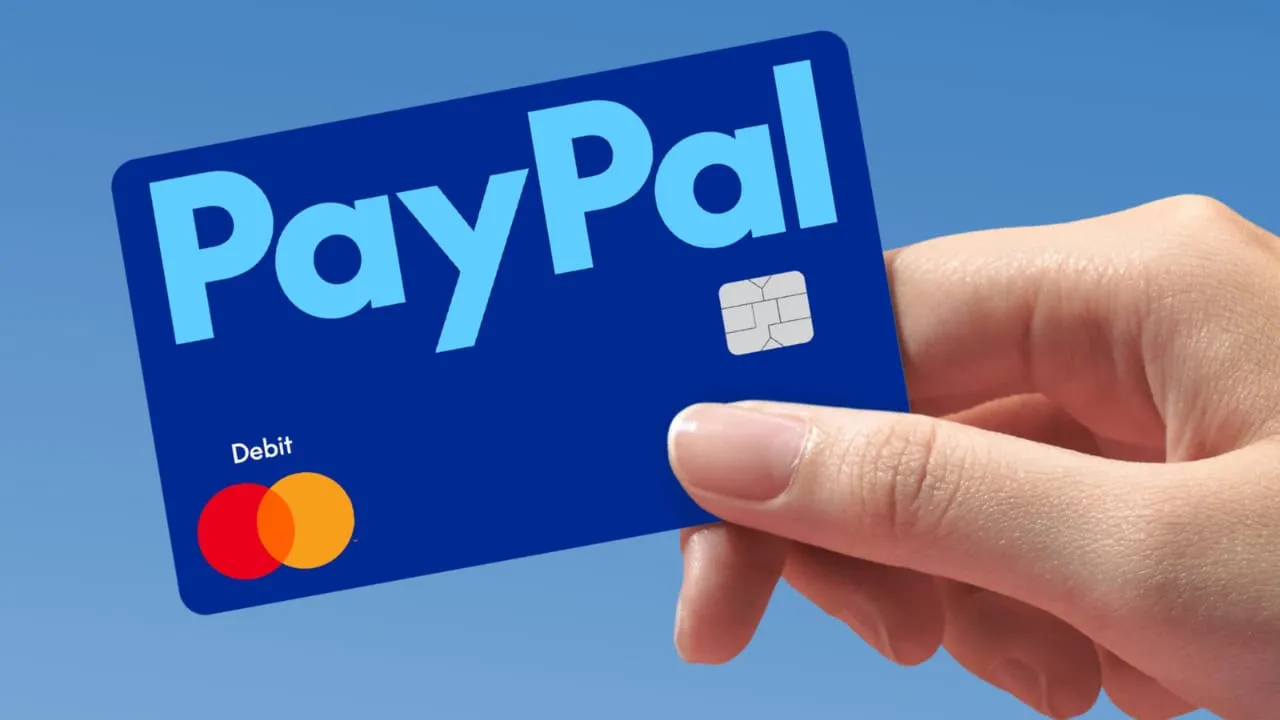
The Union of Small and Medium Enterprises has urged key government bodies to bring full PayPal operations to Pakistan. Specifically, the organization called on the Small and Medium Enterprises Development Authority, the State Bank of Pakistan, and the Ministry of IT and Telecommunication to send PayPal a formal invitation.
According to UNISAME President Zulfikar Thaver, PayPal remains unavailable to people and businesses across the country. Furthermore, he pointed out that past announcements have not delivered direct access for local users, leaving a critical gap in the nation's digital financial infrastructure.
Why Pakistani SMEs and Exporters Need Direct PayPal Operations
Clearly, the absence of PayPal hurts local businesses trying to work with international clients. Thaver explained that many overseas buyers trust PayPal as a payment method. Consequently, Pakistani SMEs lose export orders without it.
In addition, local businesses wait longer for payments and pay higher charges to intermediaries. Therefore, Thaver stressed that the current gap undermines broader economic goals. He added that this works against the national objective of raising exports and bringing foreign exchange home through formal banking channels.
For small-scale manufacturers, software developers, and freelance professionals, international transactions dictate daily operational viability. Without a globally recognized payment gateway, merchants face immense friction when invoicing foreign clients. Many international buyers refuse to use wire transfers for modest purchases due to high bank fees and administrative delays. Consequently, local sellers miss out on lucrative micro-export opportunities that sustain small enterprises.
The Economic Impact of Cross-Border Payment Barriers on Local Businesses
The reliance on third-party intermediaries creates a cascading financial penalty for domestic companies. When funds must pass through multiple conversion stages and intermediary services, transaction costs multiply rapidly. These added expenses eat directly into the profit margins of small businesses that operate on tight financial thresholds.
Time delays compound these monetary losses. While direct digital wallets transfer funds almost instantly, alternative remittance routes often take several days to clear. This lag restricts working capital availability, making it difficult for business owners to pay suppliers, purchase raw materials, or cover payroll on schedule. UNISAME maintains that establishing direct access removes these systemic hurdles, allowing local enterprises to compete on equal footing with global counterparts.
UNISAME Five-Point Demand for PayPal Operations in Pakistan
To resolve the issue, UNISAME presented five specific demands to SMEDA, the State Bank of Pakistan, and the Ministry of IT and Telecommunication:
- Send a formal invitation to PayPal to begin direct operations in Pakistan.
- Provide a clear, public timeline for PayPal's entry instead of further announcements without dates.
- Have the State Bank state the regulatory and data-privacy requirements PayPal must meet, so that they can be addressed openly and quickly.
- Enable direct onboarding of Pakistan-based individuals and businesses, rather than only indirect remittance routes through third parties.
- Consult SME associations, including UNISAME, in all further talks.
These five demands form a structured roadmap for institutional stakeholders. By asking for explicit timelines and transparent regulatory criteria, the organization seeks to replace years of vague diplomatic discussions with accountable action. Business owners across the country have grown frustrated with repeated speculative reports regarding the gateway's arrival, making concrete government outreach a necessary next step.
The Roles of SMEDA, SBP, and MoITT in Digital Finance
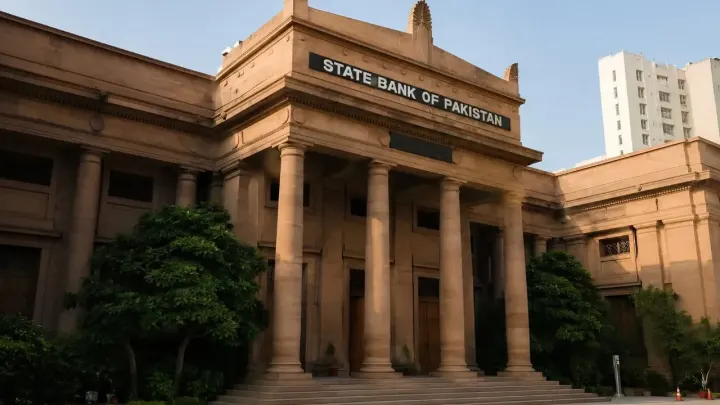
Institutional coordination remains central to resolving the digital payment deadlock. The State Bank of Pakistan oversees monetary stability, foreign exchange regulations, and licensing for electronic money institutions. Meanwhile, the Ministry of IT and Telecommunication shapes policies governing digital infrastructure, software exports, and technology adoption.
SMEDA acts as the primary agency tasked with nurturing small and medium enterprises through policy advisory, institutional support, and capacity building. Because cross-border commerce touches the mandates of all three entities, UNISAME directs its appeal collectively. Effective policy changes require alignment between financial regulation, technological readiness, and enterprise support mechanisms to ensure global service providers can operate securely within domestic legal frameworks.
Background on UNISAME Advocacy and Leadership Outreach
Meanwhile, UNISAME has already initiated formal outreach on the matter. Thaver, who served on the Board of SMEDA from 2011 to 2014 and has advocated for the SME sector since 1998, confirmed that UNISAME wrote to SMEDA CEO Ms. Nadia Jehangir Seth.
Specifically, UNISAME requested that SMEDA take up the issue of PayPal operations in Pakistan with the State Bank of Pakistan and the Ministry of IT and Telecommunication. Thaver said that SMEDA is the government's focal agency for SME development and is well placed to lead this effort.
Residents of Pakistan cannot open a PayPal account. Announcements over the years have spoken of talks, pilots and third-party arrangements, but small exporters, SMEs and freelancers still have no direct access to this platform.
Moreover, UNISAME confirmed its readiness to cooperate with the authorities. Ultimately, the organization offered to share member feedback on cross-border payment difficulties that PayPal can very easily resolve. Through sustained institutional engagement, the trade body aims to secure practical solutions for the domestic business community.