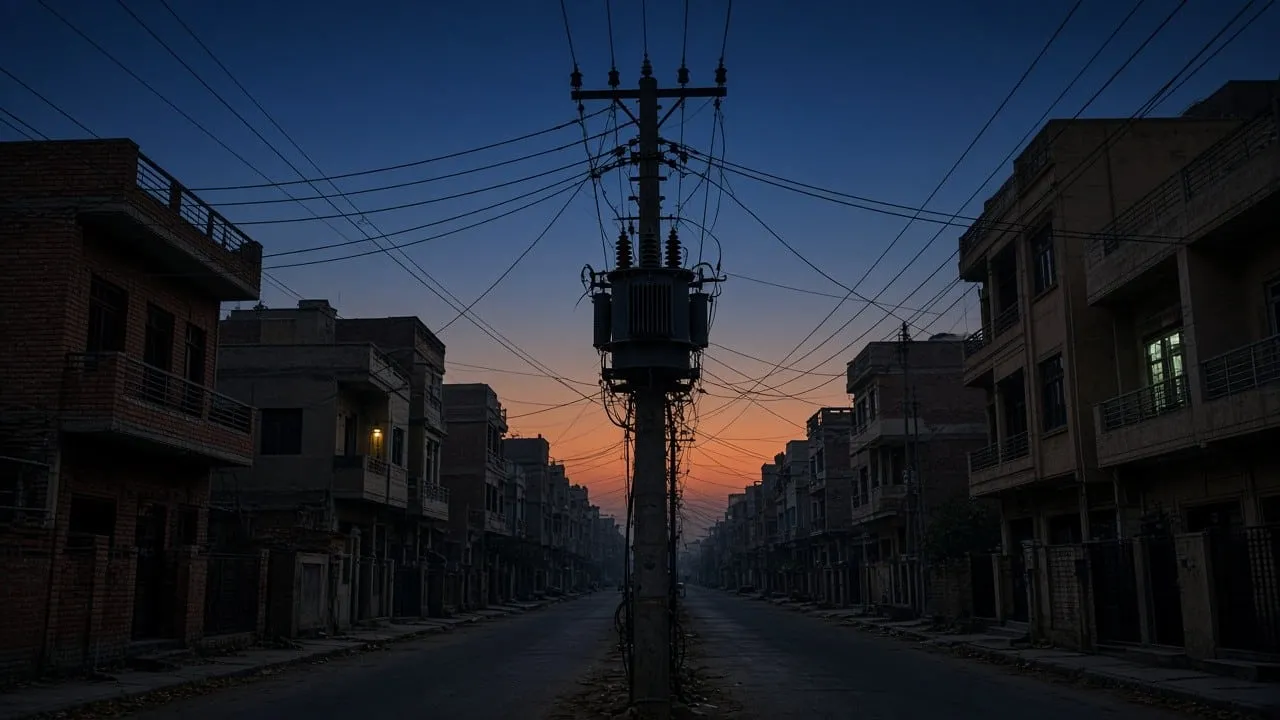
Winter Load-Shedding Begins Across Major Pakistani Cities
Winter load-shedding begins in earnest for residents of Lahore and surrounding areas, bringing unannounced evening power cuts that last up to four hours daily. Technical faults within the vital Tarbela and Mangla hydropower systems knocked two vital generating units offline, severely constraining the national grid. These sudden disruptions cut electricity availability and widened the existing power shortfall in Lahore, other parts of Punjab, and several regions across the country.
Citizens and businesses now face difficult adjustments as the colder months set in, traditionally a time when demand shifts but generation capacity remains vulnerable. The Ministry of Energy intervened by directing distribution companies to publish clear schedules. However, local authorities struggled to keep pace with the shifting deficit, leaving communities uncertain about when the lights will go out next.
LESCO Shortfall Hits 800 Megawatts
The immediate impact of the generation crisis centers heavily on the Lahore Electric Supply Company network. The shortfall in the LESCO network has reached 800 megawatts. This severe deficit directly causes the evening power cuts of up to four hours in the city, disrupting domestic routines, commercial activities, and industrial output.
Power generation at Tarbela Dam has dropped to 656 megawatts, heavily impacted by the two units falling completely out of operation. Regional grids rely on a delicate balance of supply and demand, and losing hundreds of megawatts from a primary supplier destabilizes the entire distribution network across Punjab.
What Happened at Tarbela Hydropower Systems
Reports have linked the disruption to an incident at the construction site of the Tarbela 5th Extension Hydropower Project on Monday. Construction activities on major infrastructure projects often carry inherent engineering risks, particularly when dealing with large volumes of water and unstable geological formations.
A weak section of rock fell during excavation work, and water entered a tunnel and the powerhouse. The Water and Power Development Authority confirmed that all workers were safely evacuated from the danger zone before any casualties occurred. Repair crews face significant technical hurdles in pumping out water and securing the damaged rock face before equipment inspections can begin.
The Tarbela 5th Extension project has faced setbacks before, demonstrating the complex engineering challenges associated with expanding the aging facility. Its cost jumped 285 percent after a cofferdam collapse during earlier construction phases, delaying milestones and testing the resilience of national infrastructure budgets.
Ministry Orders Official Load-Shedding Schedules
The Ministry of Energy, specifically the Power Division, has directed all power distribution companies to immediately announce their load-shedding schedules so consumers know when to expect outages. Unannounced cuts create chaos for households, schools, and commercial establishments trying to plan their daily operations.
Despite the government directive, LESCO and other companies had not issued a formal schedule at the time of reporting. Utility providers struggled to calculate accurate supply metrics while engineers assessed the extent of the damage at the hydropower stations.
No timeline has been announced for bringing the affected Tarbela units back online. Restoring massive hydroelectric generators requires rigorous safety checks, dewatering, and electrical testing to prevent further damage to the regional grid.
National Power Crisis and Broader Energy Context
The fresh outages arrive just weeks after Pakistan's nationwide power shortfall crossed 4,000 megawatts. The country relies heavily on a mix of hydropower, thermal plants, and imported fuels to meet baseline electricity demands, making it prone to seasonal fluctuations and supply chain shocks.
Hydropower generation typically drops during dry winter months as water levels in reservoirs recede to preserve supplies for agricultural irrigation. When unexpected structural failures compound this seasonal decline, system operators must resort to rotational outages to protect the grid from total collapse.