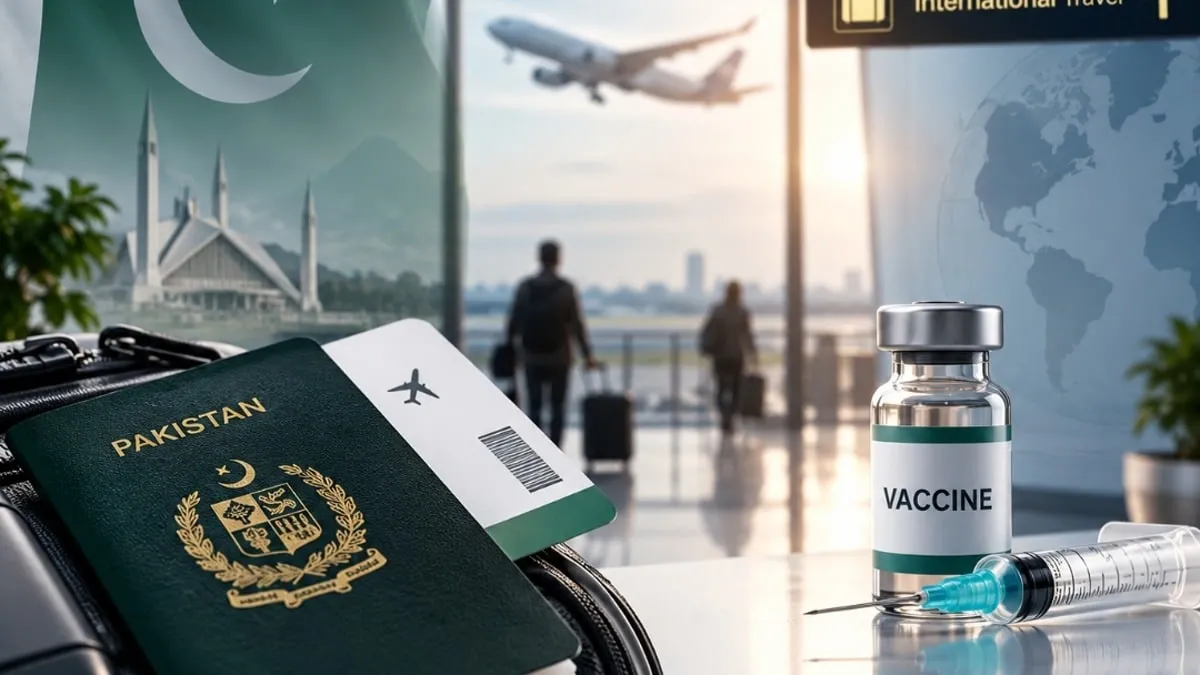
The yellow fever vaccine is expected to become available at Border Health Services (BHS) centers across Pakistan within 15 days, Federal Health Minister Syed Mustafa Kamal has said.
The minister said the Drug Regulatory Authority of Pakistan (DRAP) had approved the vaccine's import. A formal authorization letter is expected within five days, followed by the arrival of fresh supplies at BHS centers.
Why the Shortage Became a Travel Issue
Travelers heading to yellow fever-endemic countries, especially in Africa and South America, must present a valid International Certificate of Vaccination or Prophylaxis - the yellow card - before they are allowed entry. The certificate is only issued after a person receives the vaccine at least 10 days before departure and remains valid for life. When the vaccine ran out of stock in Pakistan, anyone who had already secured a visa, bought an airline ticket, or arranged overseas work found their plans stalled.
How the Import Process Works in Pakistan
The Drug Regulatory Authority of Pakistan (DRAP) is the agency responsible for evaluating, approving, and monitoring medicines and vaccines that enter the country. For a foreign-manufactured product to be imported, the DRAP Registration Board first reviews safety and efficacy data. Once the board signs off, the importer must submit a formal authorization letter that includes batch details, import permits, and customs clearance documents.
In this case, the Russian-manufactured yellow fever vaccine cleared the Registration Board, but additional paperwork was still required to complete the import registration. Those missing documents delayed the arrival of the product, creating a gap in supply at the BHS points that serve border crossings and airports.
Impact on Citizens, Businesses and the Economy
Hundreds of Pakistani citizens who rely on international travel for employment, education, or family reunification have been affected. The shortage forced some to postpone or cancel flights, risking loss of deposits and visa validity. Small businesses that arrange travel packages also saw revenue dip as clients delayed bookings.
Large-scale employers with overseas projects reported delays in deploying staff, potentially affecting contract timelines and earnings. The ripple effect reached airlines, hotels, and freight forwarders that depend on a steady flow of travelers.
What the New Supply Means for Travelers
When the fresh vaccine stock reaches BHS centers, travelers will be able to book appointments, receive the injection, and obtain the yellow card at least 10 days before their departure. The 15-day window announced by Minister Kamal gives a clear timeline for the supply chain: a formal authorization letter within five days, followed by shipment and distribution within the next ten days.
Travel agencies are advised to inform clients of the new timeline and to schedule vaccinations promptly. Applicants who already hold visas should verify that their travel dates still allow the 10-day buffer after vaccination.
Steps Travelers Should Take Now
- Check the status of the yellow fever vaccine at the nearest Border Health Services center.
- Book a vaccination appointment as soon as the supply is confirmed.
- Ensure the injection is administered at least 10 days before the intended departure date.
- Keep the International Certificate of Vaccination or Prophylaxis safe, as it is required for entry into yellow fever-risk countries.
What to Watch for in the Coming Weeks
Authorities will release the formal authorization letter within five days, according to the minister. Once the letter is issued, customs officials will clear the shipment, and the vaccine will be distributed to BHS centers nationwide. Travelers should monitor announcements from the Ministry of Health and the DRAP website for updates on stock levels and appointment availability.
Should any further documentation be required, the DRAP Registration Board will issue a notice, and the import process could be extended. Until the vaccine is physically present at BHS points, the travel disruption will continue.
Historical Context of Yellow Fever Vaccination in Pakistan
Pakistan has not reported indigenous yellow fever cases, but it is a signatory to the International Health Regulations, which obligate member states to control the spread of the disease through vaccination of outbound travelers. The country has maintained a small stock of the vaccine for years, primarily to serve diplomats, business travelers, and overseas workers. Periodic shortages have occurred when global demand spikes, especially during outbreaks in Africa or South America.
In previous instances, the government has imported vaccines from India, Brazil, and Europe. The current reliance on a Russian-manufactured batch reflects a diversification strategy aimed at securing supply from multiple sources.
Legal Framework Governing Vaccine Imports
The Drugs Act of 1976, amended in 2018, gives DRAP the authority to regulate import, registration, and distribution of pharmaceuticals. Under the act, any vaccine that is not produced locally must obtain a registration certificate before it can be cleared by customs. The act also mandates that the Ministry of Health coordinate with the Ministry of Foreign Affairs to expedite travel-related medical supplies.
Failure to comply with these regulations can result in fines, seizure of goods, or suspension of import licences. The swift approval of the vaccine by DRAP's Registration Board indicates that the product met the safety and efficacy standards required by law.
Future Outlook for Vaccine Availability
Once the current shipment is distributed, the Ministry of Health plans to maintain a buffer stock equivalent to at least three months of average demand. This buffer is intended to prevent similar shortages should global supply chains face disruptions again.
Long-term, the government is exploring local production options for the yellow fever vaccine, but such projects require technology transfer agreements and significant capital investment. Until then, reliance on imports will continue, making the regulatory process a critical factor in ensuring uninterrupted travel for Pakistani citizens.
For now, the announcement by Minister Syed Mustafa Kamal offers a clear path forward: the vaccine will be back on the shelves of Border Health Services centers within 15 days, restoring the ability of travelers to meet entry requirements for yellow fever-endemic destinations.





