Abdul El-Sayed Tells JD Vance to Administer January Senate Oath
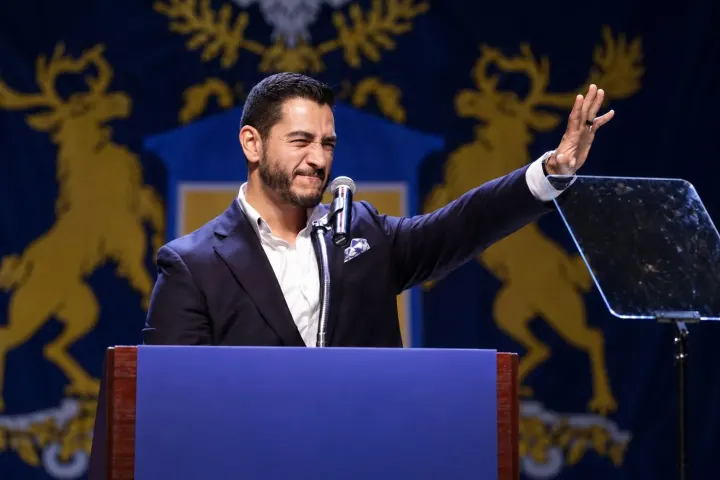
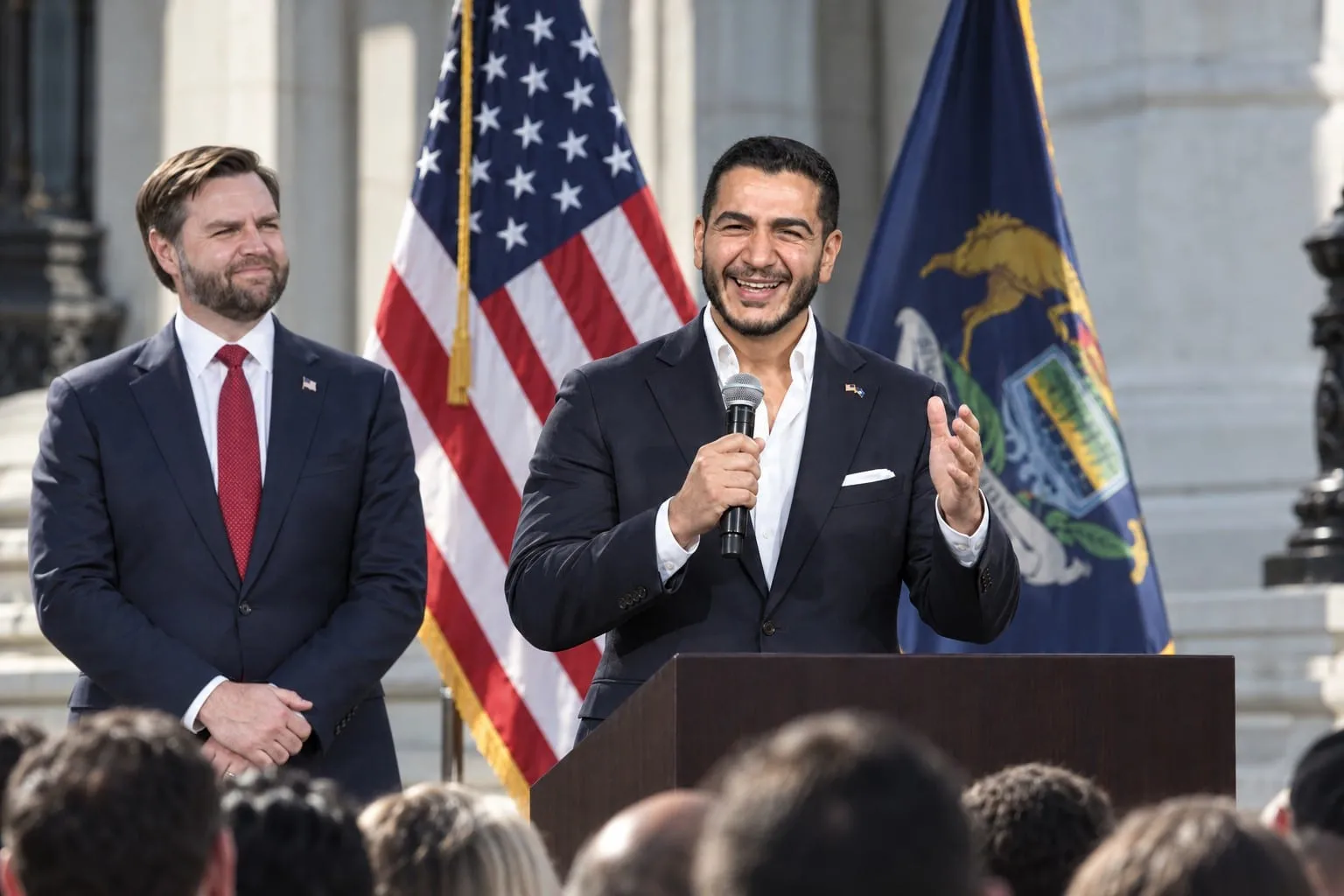
Abdul El-Sayed has told US Vice President JD Vance that the Constitution will require him to administer his oath in January, while telling Donald Trump that he can call him Senator after the swearing-in if he struggles to pronounce his name. The remarks mark a sharp and public exchange following a historic political contest in the state of Michigan. El-Sayed is due to become the first Muslim to serve in the United States Senate when the new Congress convenes.
The exchange brings national attention to the constitutional duties of the vice president regarding incoming legislators. Under Article I of the Constitution, the vice president serves as the President of the Senate and holds the responsibility of presiding over the chamber. This includes swearing in newly elected members at the start of each congressional session in January. El-Sayed pointed directly to this legal requirement in his message to Vance.
Details of the Michigan Senate Victory
The remarks follow a Michigan Senate victory reported by The Express Tribune on 4 November 2026. A medical doctor and former public health official, El-Sayed won a competitive Democratic primary for the seat being vacated by retiring Senator Gary Peters. He is due to become the first Muslim to serve in the chamber when the new Congress meets in January. His path to the general election required navigating a crowded primary field and overcoming substantial financial hurdles.
"JD, my dear! Under the Constitution, you will have to swear me in this January," El-Sayed said in the remarks shared by Geo News. His message to Vance focused on the coming oath, while his separate comment to Trump offered the title as an alternative to saying his name. The playful yet pointed commentary quickly circulated across news platforms and social media channels.
Campaign Challenges and Religious Identity
The same report described a contentious campaign in which El-Sayed's Muslim faith became a central issue, with Trump and other Republicans repeatedly targeting his religious background. El-Sayed denied allegations connecting him to extremism. His victory came in a state Trump narrowly carried in the 2024 presidential election. The political landscape of Michigan proved intensely competitive throughout the cycle, with outside political groups pouring millions of dollars into television advertisements and mailers.
Republicans frequently raised questions about El-Sayed's foreign policy stances and past associations, attempting to link him to controversial figures and movements. El-Sayed pushed back against these attacks during debates and public appearances, characterizing them as bigoted attempts to marginalize his identity and his community. Supporters rallied around his defense, arguing that voters cared more about domestic policy issues like the cost of living and healthcare than manufactured controversies.
Background of Abdul El-Sayed in Michigan Politics
El-Sayed, the son of Egyptian immigrants, had never held elected office and had suffered a double-digit defeat in Michigan's Democratic gubernatorial primary eight years earlier. He overcame heavy outside spending in both the primary and general election with a grassroots campaign advocating universal health care, curbs on outside election money and sharp criticism of Israel. His earlier gubernatorial run in 2018 established his name recognition across the state and built a loyal network of progressive volunteers.
Following his defeat in 2018, El-Sayed remained active in public health advocacy, media commentary, and progressive politics. He wrote books, hosted podcasts, and worked with various public health organizations, which kept him in the public eye. When Senator Gary Peters announced his retirement, El-Sayed recognized an opening to transition from executive agency work and grassroots advocacy into federal legislative service.
The Role of Grassroots Organizing and Policy Platform
The successful Senate campaign relied heavily on small-dollar donations and door-to-door volunteer mobilization. While opponents benefited from millions of dollars in super PAC spending, El-Sayed built a coalition of working-class voters, young activists, and progressive organizations. His platform centered on economic populism, appealing directly to voters struggling with medical debt and housing costs. He championed Medicare for All, arguing that healthcare is a fundamental human right rather than a commodity.
Furthermore, his campaign focused on reducing the influence of corporate money in federal elections. He pledged not to accept donations from corporate political action committees, contrasting his funding model with traditional establishment candidates. This populist messaging resonated in industrial towns and university cities alike, helping him consolidate the Democratic base despite the internal party divisions that marked the primary contest.
What Happens Next in Washington
As January approaches, preparations are underway in Washington for the swearing-in ceremony of the new Congress. Vice President JD Vance will preside over the Senate chamber to administer the oath of office to incoming senators, including El-Sayed. The historic nature of El-Sayed taking the oath as the first Muslim senator marks a milestone in American legislative history. Observers will watch the dynamic between the incoming freshman senator and the executive branch leadership as the legislative session gets underway.