Pakistani Handicrafts Take Center Stage at the Dunhuang Cultural Expo
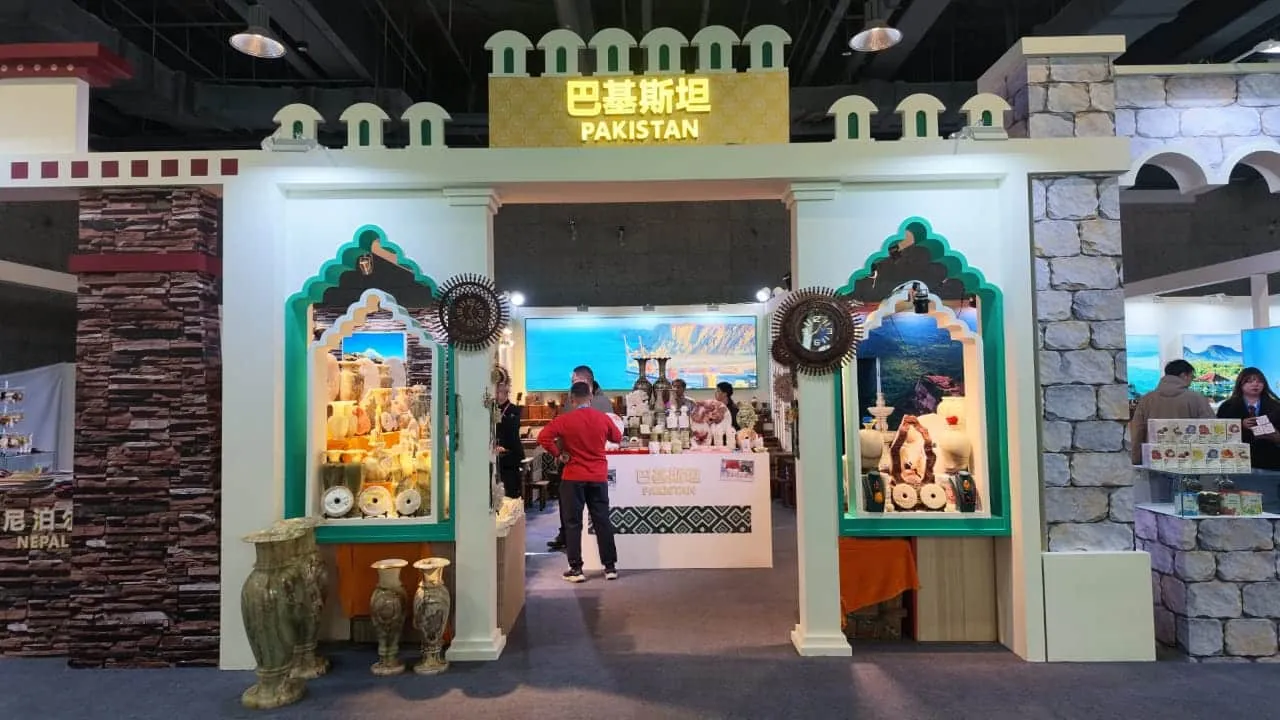
Pakistani handicrafts are on show at the 9th Silk Road (Dunhuang) International Cultural Expo in northwest China, which runs from 2 to 4 November. This major international exhibition brings together artisans, traders, and cultural representatives from various nations along the historic trade route to display traditional crafts, art pieces, and cultural artifacts.
The presence of Pakistani artisans at this year exhibition highlights the deepening economic and cultural ties between Pakistan and China. Exhibitors from South Asia have brought a diverse array of traditional handmade goods to capture the interest of international visitors, collectors, and potential business partners attending the annual event in northwest China.
Meet the Pakistani Artisans and Traders Behind the Exhibit
Khan Traders, a business run by brothers Naeem Mirza and Munir Muhammad, has brought about 100 handmade pieces in rosewood, brass and stone. Their collection features intricate items that demonstrate generations of woodworking and stonework expertise passed down through local artisan communities in Pakistan.
The items brought to the expo by the brothers include candy jars, tea tables, jewellery boxes and dried-fruit trays. Each piece requires meticulous labor, reflecting the rich heritage of traditional craftsmanship found within the region.
Traditional Techniques and Handcrafted Materials Explained
The appeal of the Pakistani exhibit lies in the complete absence of industrial manufacturing. Totally handmade, no machine, says Naeem, emphasizing the authentic nature of every single item on display at their booth.
During the exhibition, the authenticity of the materials often surprises attendees who are more accustomed to mass-produced synthetic goods. One visitor asked whether a glossy jar was plastic, prompting Naeem to clarify the true origin of the item.
He told them it was Pakistani rosewood and compared it to huali, the rosewood used in Chinese classical furniture. This comparison helps local buyers understand the premium quality, texture, and durability of the timber used in the tea tables and storage boxes.
Specialized Products for the Chinese Market
Exhibitors often tailor their inventory to match local cultural preferences and upcoming calendar events in the host country. Munir and Naeem brought specific items designed to appeal directly to the aesthetic tastes of shoppers in China.
He also brought brass horses for the Chinese Year of the Horse, tapping into traditional zodiac symbolism that resonates strongly with buyers attending the cultural expo. If he had to choose one product for Chinese buyers, it would be the pale green stone he calls Pakistani jade. This colour is natural, he notes regarding the distinctive mineral composition of the stone.
Long-Term Business Plans in China
Participating in high-profile exhibitions forms part of a broader commercial strategy for foreign entrepreneurs operating within the Chinese market. Munir has been doing business in China for about two years and plans to stay in Dunhuang for another two months to fulfill orders and build local client relationships.
Based on previous consumer interest and current exhibition foot traffic, he expects the stone and wood pieces to sell best among the diverse array of goods they brought to the northwestern region of the country.
Broader Economic Context of Pakistan-China Trade
The showcase of small artisan businesses coincides with positive overall economic indicators concerning bilateral commerce between the two nations. Pakistan's exports to China rose 8.4% to US$2.68 billion in FY2025-26, according to the State Bank of Pakistan.
This growth reflects an expanding market for various goods, ranging from large-scale industrial materials to specialized traditional handicrafts produced by independent family enterprises like Khan Traders.