Abdul El-Sayed Wins Michigan US Senate Race
Democrat Abdul El-Sayed has won Michigan's US Senate race against Republican Mike Rogers, according to Discover Pakistan TV, putting him on course to become the first Muslim senator in United States history. Rogers was the candidate backed by Donald Trump. The contest in Michigan drew national attention due to the high stakes control of the chamber and the historic nature of the Democratic nominee.
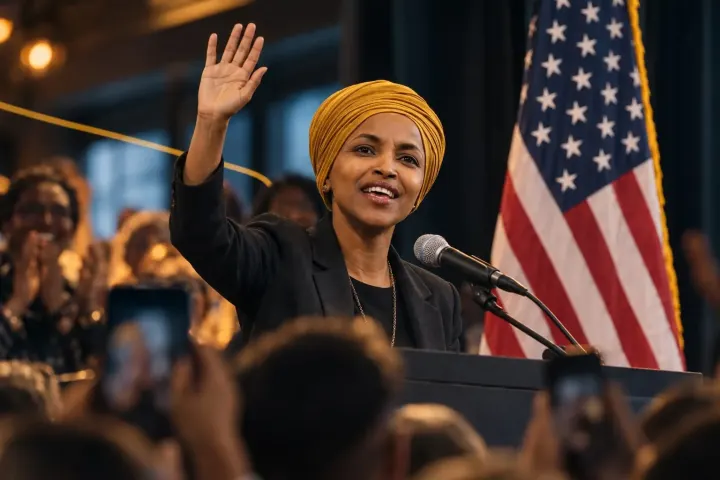
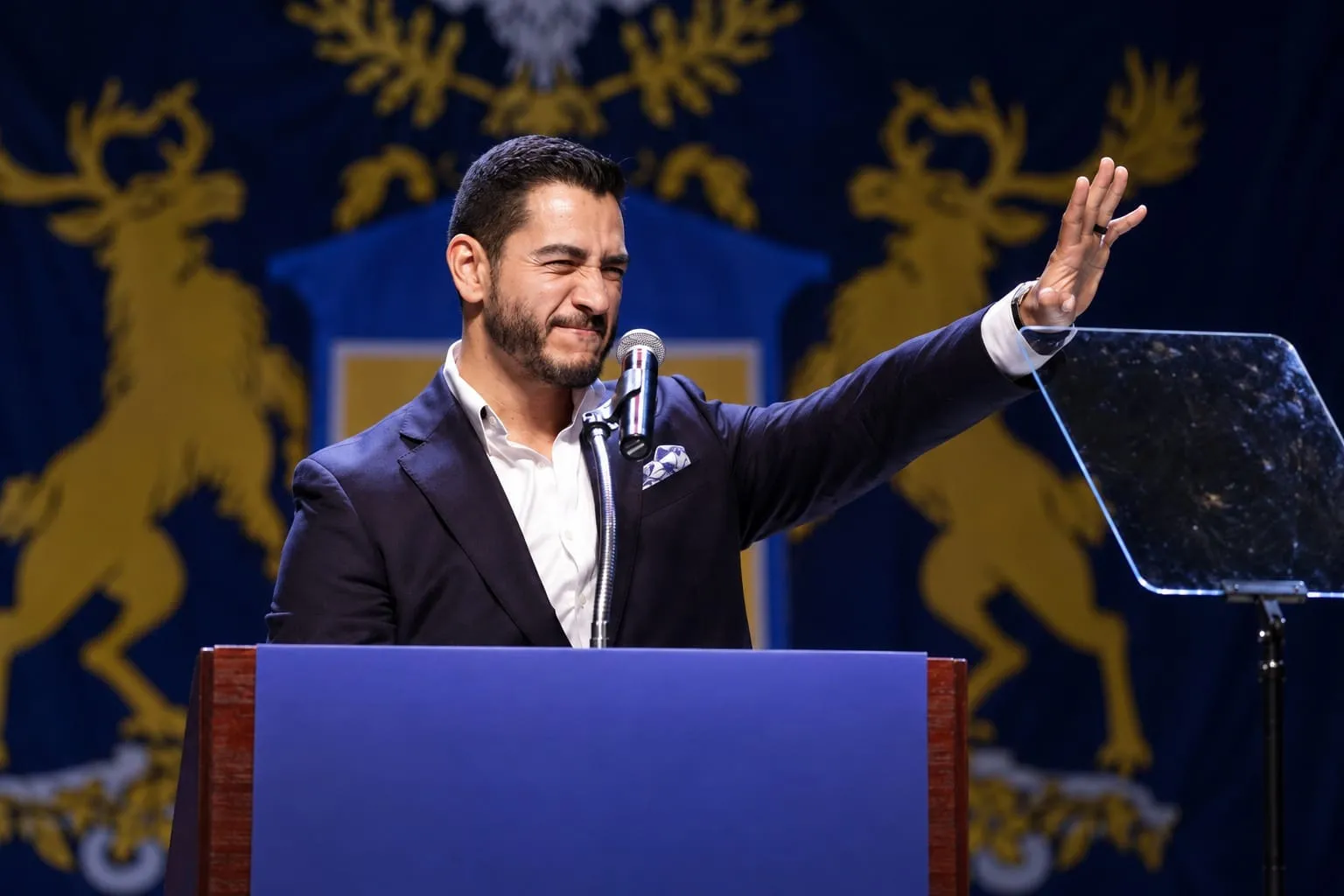
El-Sayed announced his victory while addressing supporters in Detroit early Wednesday. In his victory speech, he marked the moment with a message of faith: “Tonight, we are turning ‘God willing’ into ‘praise be to God.’” The event in Detroit brought together campaign workers, community leaders, and voters who had backed the progressive candidate through the primary and general election cycles.
The Michigan seat is being vacated by retiring Democratic Senator Gary Peters. El-Sayed is due to take office in January, succeeding Peters and keeping the seat in Democratic hands. This transition preserves the existing partisan balance for the state in Washington while introducing a fresh voice to the legislative body.
How Abdul El-Sayed Secured the Historic Victory
The path to the general election required navigating a competitive political environment in a crucial Midwestern state. Michigan remains a battleground where both major parties invest heavily in gubernatorial, congressional, and presidential contests. The Senate seat held by retiring lawmakers often acts as a barometer for broader shifts in the American electorate.
During the campaign, El-Sayed focused on key domestic issues ranging from healthcare access to economic security for working families. Supporters credited his grassroots organizing strategy with mobilizing diverse voter coalitions across urban centers like Detroit and surrounding suburban communities. Field offices operated across multiple counties to ensure high turnout among registered Democrats and aligned independents.
Opposing him was Mike Rogers, a former congressman whose bid received the formal endorsement and backing of Donald Trump. The Republican campaign emphasized economic policies, border security, and traditional conservative governance. Despite the nationalized nature of the race and significant outside spending, the electorate ultimately favored the Democratic platform represented by El-Sayed.
The Significance of Electing the First Muslim US Senator
The election of Abdul El-Sayed marks a major milestone in American political history as the first time a Muslim individual will serve in the United States Senate. Representation in federal legislative bodies has slowly expanded over decades to include members from various religious and cultural backgrounds, but the upper chamber had not previously included a Muslim lawmaker.
Civil rights advocates and community organizations noted the cultural weight of the victory for millions of Muslim Americans. Participation in civic life and electoral politics has grown steadily within these communities, with local and state officials paving the way for federal representation. Breaking the barrier in the Senate represents a culmination of decades of increased engagement and organizing.
At the same time, lawmakers and political analysts point out that legislative duties require addressing the concerns of all constituents regardless of background. El-Sayed steps into a role that demands constant attention to federal policy, constituent services, and committee assignments. The historic nature of his identity runs parallel to the routine responsibilities of representing the state of Michigan in Washington.
Transition and What Comes Next in January
With the campaign concluded, attention turns to the transition period before the new legislative session begins. Retiring Senator Gary Peters will complete his term over the coming weeks, wrapping up committee work and preparing staff for the handover. Office space allocation, security clearances, and staff hiring form the immediate administrative priorities for the incoming senator.
El-Sayed is due to take office in January, joining the incoming congressional class in Washington. Swearing-in ceremonies traditionally take place on the opening day of the new session, administered by the Vice President. New senators receive orientations covering ethics rules, legislative procedures, and the mechanics of drafting bills.
Once seated, the new senator will participate in committee assignments that shape national policy. Michigan constituents will look to the new office for assistance with federal agencies, veterans affairs, immigration services, and economic development grants. The transition from campaigning to governing requires building relationships across the political aisle to advance legislative priorities.
The Political Impact on Michigan and the Democratic Party
Keeping the Michigan seat in Democratic hands prevents a shift in the balance of power within the Senate. Retaining competitive seats in the Midwest remains vital for parties seeking to maintain majorities or build coalitions for major legislation. The victory reinforces the party's competitive standing in the state following recent election cycles.
The defeat of the Republican candidate backed by Donald Trump also offers insights into voter behavior in Michigan split-ticket voting patterns. While individual races often hinge on local issues and candidate appeal, statewide outcomes reflect the priorities of suburban and urban voters. Analysts will study precinct-level data from the Detroit area and surrounding counties to understand turnout trends.
Local businesses, labor unions, and advocacy groups are already preparing to engage with the new congressional office. Policies related to manufacturing, automotive industries, environmental regulations, and healthcare will dominate the agenda. The coming months will establish the policy framework for the new term as the administration and Congress set their legislative calendars.