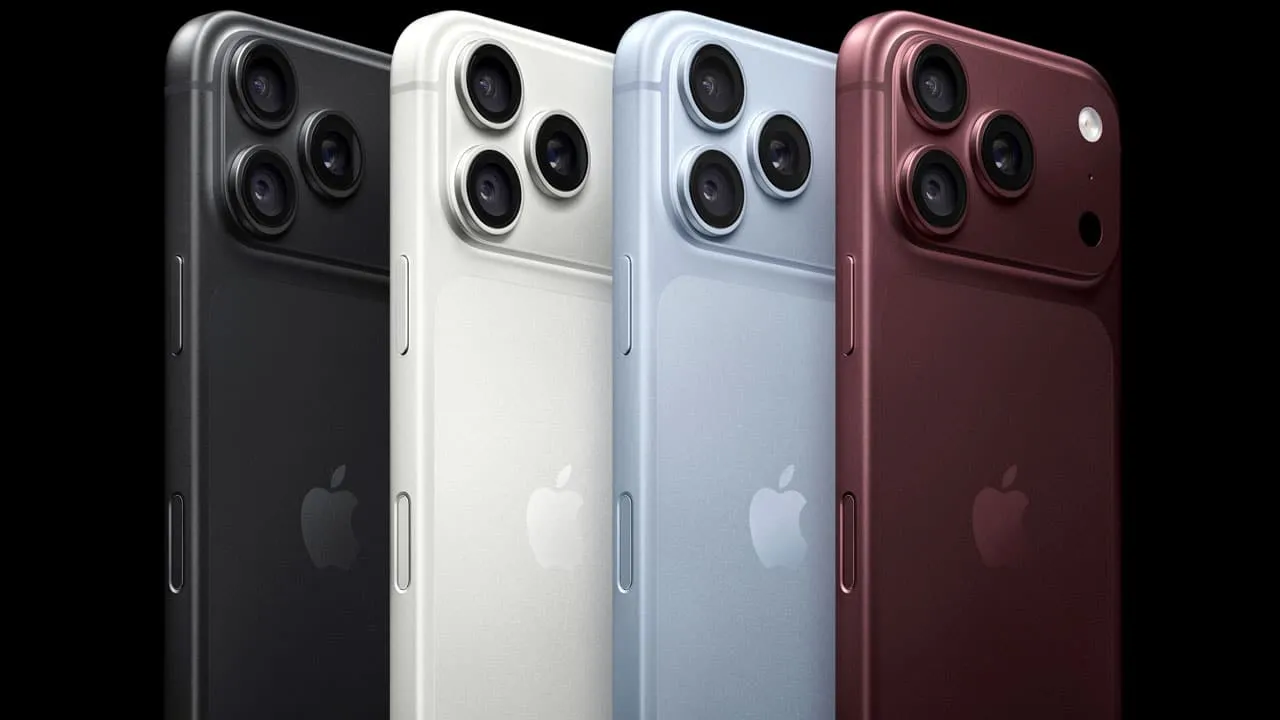
Air Link Communication, the authorised Apple retail partner in Pakistan, announced on November 24, 2026 that sales of the iPhone 18 at its Apple outlets have remained in line with the iPhone 17 sales recorded a year earlier, generating roughly Rs. 1-1.5 billion in revenue.
The update was disclosed by Topline Securities after the company's corporate briefing, and it also outlined Air Link's upcoming expansion of retail and e-commerce operations, a pending buy-now-pay-later (BNPL) service called AirFin, and new partnerships with Chinese brands and Hisense appliances.
What the Sales Figures Reveal About the Pakistani Smartphone Market
Pakistan's smartphone market has grown steadily over the past decade, driven by increasing disposable income, expanding 4G and 5G networks, and a youthful population eager for premium devices. Apple's market share remains modest compared with Android manufacturers, but the brand's premium positioning allows it to command higher average selling prices.
Air Link's reported Rs. 1-1.5 billion in iPhone 18 sales translates to roughly 5,000-7,500 units, assuming an average retail price of Rs. 200,000 per device. This volume mirrors the iPhone 17 performance in 2025, indicating that demand for the newest model has not surged despite the typical hype cycle surrounding Apple launches.
Analysts attribute the steady performance to several factors: limited availability of financing options, price sensitivity among Pakistani consumers, and competition from high-spec, lower-cost Android phones. The data also suggests that Air Link's retail footprint, currently concentrated in major cities such as Karachi, Lahore, and Islamabad, captures the bulk of Apple's demand in the country.
Why Air Link's Expansion Plans Matter
During the briefing, Air Link outlined a multi-pronged strategy to broaden its reach. The company plans to open additional physical stores in secondary cities, upgrade existing outlets with interactive experience zones, and strengthen its e-commerce platform, Airkart.
Expanding retail locations can reduce the geographic gap that currently forces many customers to travel long distances for an authorised Apple purchase. It also aligns with the Pakistan Retail Association's push for greater consumer access to premium electronics outside the traditional metropolitan hubs.
On the digital side, Airkart's integration with AirFin, once the BNPL licence is granted, could lower the upfront cost barrier for high-priced Apple devices. BNPL schemes have gained traction worldwide, allowing consumers to spread payments over several months without interest, provided they meet credit criteria.
How AirFin's Licensing Process Works
AirFin is a buy-now-pay-later service that Air Link intends to embed across its retail, e-commerce, and distributor channels. In Pakistan, BNPL providers must obtain a licence from the State Bank of Pakistan (SBP) under the "FinTech Services" regulatory framework introduced in 2023.
The licensing process requires applicants to demonstrate robust risk-management policies, consumer protection mechanisms, and capital adequacy. Air Link has submitted its application and is awaiting SBP's final approval, which could take up to six months.
If approved, AirFin will allow customers to purchase iPhones and other premium gadgets in installments, potentially boosting sales volumes beyond the current Rs. 1-1.5 billion range.
New Brand Partnerships: What They Mean for Consumers
Air Link also disclosed plans to partner with additional Chinese brands and to introduce more Hisense appliances. These moves diversify the company's product portfolio beyond Apple, positioning it as a broader consumer-electronics retailer.
Hisense, a major Chinese manufacturer of televisions, refrigerators, and air conditioners, has been expanding its presence in South Asia. By adding more Hisense models, Air Link can attract a wider customer base seeking affordable yet reliable home appliances, complementing its high-end Apple offerings.
The Chinese brand partnerships are likely to include smartphones, wearables, and smart-home devices that can be cross-sold with Apple products, creating bundled offers that enhance average transaction values.
Impact on Distributors and the Wider Supply Chain
Air Link's expansion will have downstream effects on distributors and logistics providers. The company's intent to integrate AirFin with its distributor network means that smaller retailers will gain access to financing options for inventory purchases, reducing cash-flow constraints.
Logistics firms may see increased demand for last-mile delivery services, especially as Airkart pushes for faster shipping times to compete with global e-commerce giants. This could stimulate growth in Pakistan's warehousing and cold-chain sectors, which have been under pressure to meet rising e-commerce volumes.
What to Watch for Next
Key milestones to monitor include the SBP's decision on AirFin's licence, the opening dates of new retail outlets, and the rollout schedule for additional Chinese brand products. Analysts will also track quarterly sales reports to see whether the BNPL integration translates into higher iPhone 18 turnover.
Stakeholders should keep an eye on Air Link's official communications, Topline Securities' updates, and any regulatory announcements from the State Bank of Pakistan regarding BNPL licensing criteria.