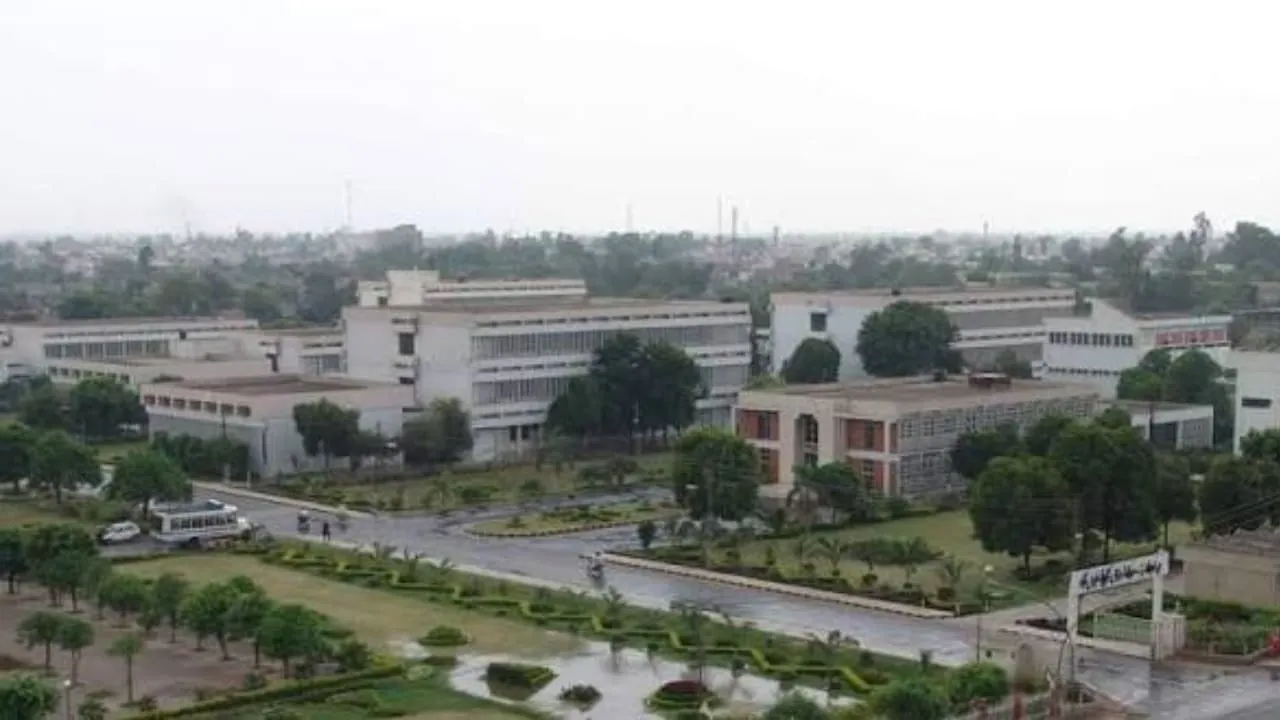
Alumni groups in North America and the United Kingdom have formally opposed the provincial government's decision to rename Punjab Medical College as Faisalabad Medical College, urging the authorities to keep the original name that has been in use since 1973.
The objection was voiced in a joint letter addressed to the governor of Punjab, signed by the vice chancellor of Faisalabad Medical University (FMU), the principal of Faisalabad Medical College, and the presidents of two alumni bodies - the Punjab Medical College Alumni Association in North America (PMCAANA) and Punjab Medical College Alumni UK (PMCAUK). The letter calls for an immediate reinstatement of the historic name.
What the Letter Says About the Legal Basis for the Rename
The letter references the Public Sector Medical Universities (Second Amendment) Ordinance 2026, specifically Section 5(a) which inserts a new sub-section into Section 3 of the Faisalabad Medical University Act 2017. That amendment revives the college as a constituent institution of FMU but designates it as "Faisalabad Medical College" rather than the long-standing "Punjab Medical College".
PMCAANA President Dr Saadia Alvi and PMCAUK President Dr Shahnaz Akhtar argue that the amendment, while legally sound, disregards the college's established brand and the professional recognition that the original name carries both domestically and internationally.
Historical Context: Punjab Medical College Since 1973
Punjab Medical College was founded in 1973 as part of a national effort to expand medical education in Pakistan's Punjab province. Over the past five decades the college has grown into a leading institution, producing thousands of doctors who serve in public hospitals, private practice, and academic positions across Pakistan and abroad.
The college became a constituent college of Faisalabad Medical University when FMU was created in 2017. The relationship allowed the college to retain its own identity while aligning academic standards and governance with the university. The 2026 ordinance sought to streamline the naming convention across FMU's constituent colleges, but it also sparked concerns about the loss of a historic brand.
Why Alumni Say the Name Matters
Alumni associations stress that the name "Punjab Medical College" is more than a label; it is a marker of professional identity that appears on diplomas, transcripts, and verification documents. Dr Amir Sarfraz, a member of PMCAUK, highlighted that thousands of graduates practice in the United Kingdom, the United States, the Middle East, and other regions. Their qualifications are registered with bodies such as the General Medical Council (GMC) in the UK and the Educational Commission for Foreign Medical Graduates (ECFMG) in the United States under the name Punjab Medical College.
Changing the name, the alumni warn, could create confusion when graduates apply for registration, licensing, or further study abroad. Credential verification processes often rely on exact institutional names, and any discrepancy may lead to delays, additional documentation, or even rejection of applications.
Potential Administrative Impact of the Rename
The letter clarifies that retaining the original name would not alter the vice chancellor's administrative authority or FMU's governance structure. The amendment only changes the branding of the constituent college, leaving academic curricula, faculty appointments, and university oversight untouched.
Nevertheless, the alumni argue that the administrative simplicity of the rename does not outweigh the reputational and practical costs. They request that the government either reverse the amendment or provide a clear transitional framework that safeguards alumni credentials.
How the Change Could Affect Current and Future Students
Current students enrolled under the Punjab Medical College banner may find their degree certificates bearing the new name, potentially affecting future applications for postgraduate training or employment abroad. While universities can issue clarification letters, the process can be time-consuming and may not be recognized uniformly by all foreign regulators.
Prospective students also consider institutional reputation when selecting a medical college. A sudden name change could create uncertainty about the college's standing, especially for families seeking assurance that the degree will be widely accepted.
What Comes Next: Government Response and Possible Remedies
The joint letter asks the governor to intervene and direct the provincial education department to restore the original name. No official response has been recorded at the time of writing.
If the government chooses to maintain the rename, alumni have indicated they will seek legal clarification under the Faisalabad Medical University Act 2017 and may approach the Punjab High Court to protect the interests of graduates.
Stakeholders are also watching for any supplementary guidelines from FMU that might address credential verification during the transition period. Such guidelines could include issuing retroactive certificates, providing official name-change letters, or establishing a dedicated liaison office for alumni queries.
Practical Takeaways for Graduates and Applicants
- Verify the name on your degree and any supporting documents before applying for registration abroad.
- Keep copies of the original Punjab Medical College diploma, even if a new certificate is issued under the Faisalabad name.
- Contact the GMC, ECFMG, or other relevant bodies early to confirm whether a name change will affect your application.
- Monitor official communications from FMU for any transitional instructions or official letters of clarification.
By staying informed and retaining original documentation, graduates can mitigate potential disruptions caused by the naming dispute.