State Bank of Pakistan Introduces Digital Payments Training with Mojaloop Foundation
The State Bank of Pakistan has introduced a new initiative to strengthen the country's financial technology sector, partnering with the Mojaloop Foundation to help local institutions develop digital payment solutions and build technical expertise.
The initiative, called the Mojaloop Country Accelerator Program for Pakistan, is the first project launched under the Innovation Hub Collaboration Framework of the central bank. This framework was established as part of SBP Vision 2028 to connect financial institutions, technology providers, fintech companies, and other ecosystem participants through partnerships focused on knowledge sharing, capacity building, and innovation.
Details of the Mojaloop Country Accelerator Program for Pakistan
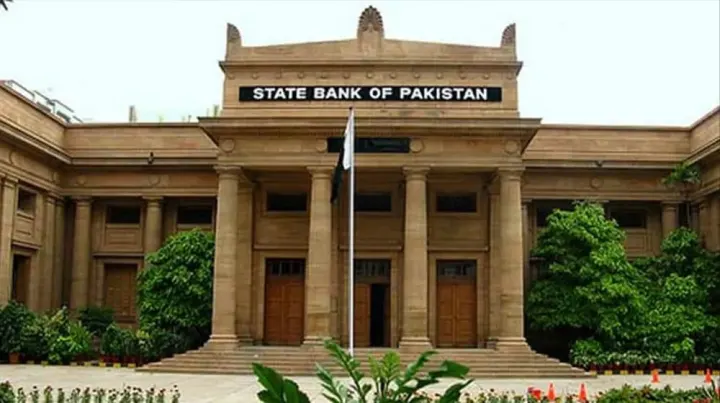
The program was inaugurated at the Karachi office of the central bank in a ceremony attended by central bank leadership, Mojaloop Foundation representatives, financial institutions, banks, technology companies, fintechs, and academic representatives. Deputy Governor Saleem Ullah said the partnership would connect Pakistani talent with international expertise and help turn innovative ideas into practical payment solutions.
The Mojaloop Foundation, a nonprofit organization responsible for maintaining open source Mojaloop payment software, will support the initiative through program design and technical training. The 16 week accelerator will run from November 2026 to February 2027, combining independent learning with sessions led by industry experts.
Who Can Participate in the 16 Week Digital Payments Course?
The program is designed for local system implementers, digital financial service providers, and payment hub operators. Participants will develop expertise in digital payment infrastructure and gain access to the Mojaloop technical community, allowing them to continue learning and apply international best practices.
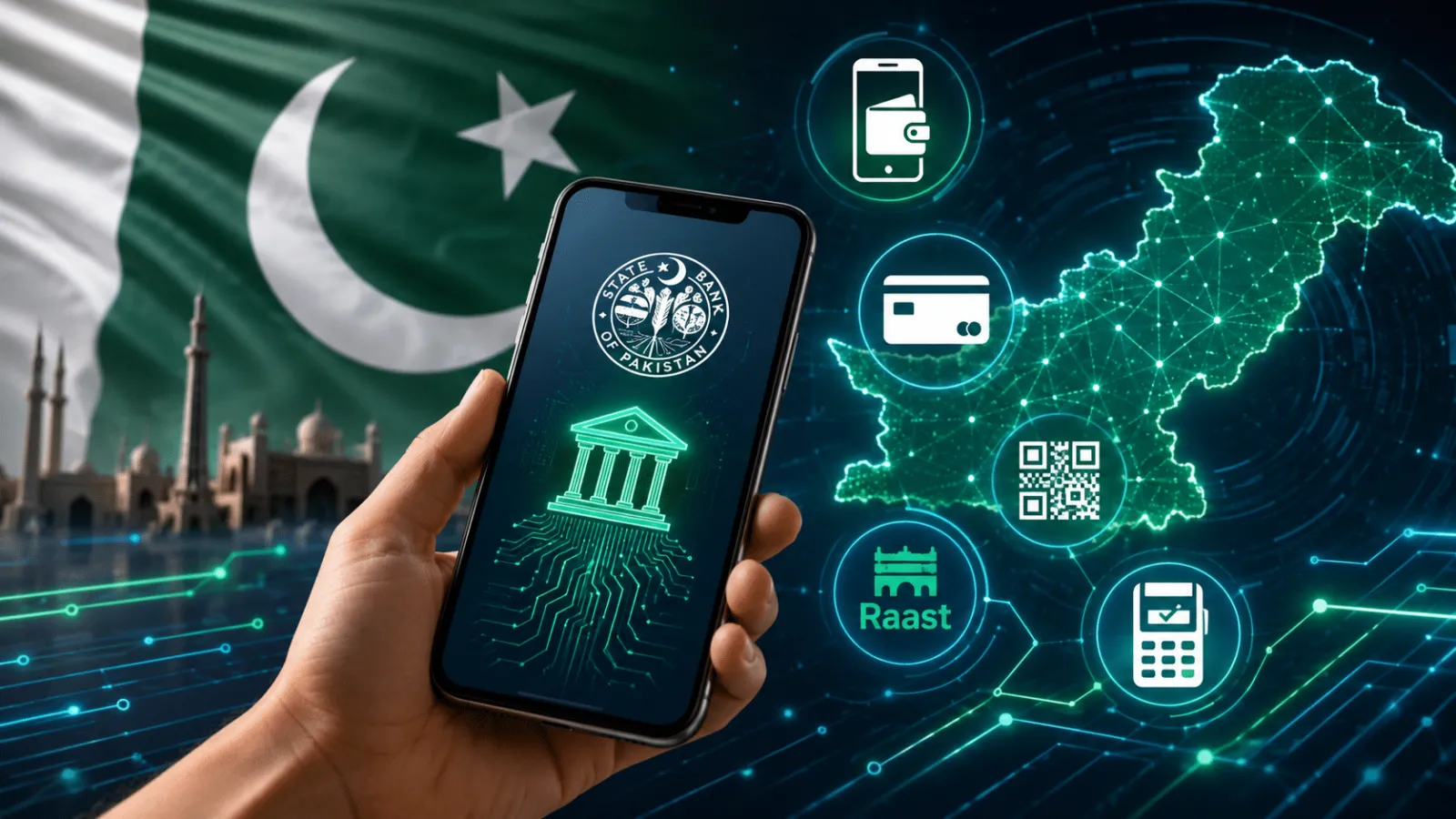
According to the central bank, the collaboration is intended to strengthen local technical capabilities, encourage responsible innovation, and expand access to digital financial services. The financial authority stated that the initiative supports its efforts to develop the national digital payments ecosystem and promote financial inclusion as part of its Vision 2028 strategy.
Background on SBP Vision 2028 and Digital Financial Inclusion
The broader strategy guiding this new accelerator program is the official Vision 2028 framework adopted by the banking regulator. Over recent years, monetary authorities in the country have placed significant focus on expanding digital financial infrastructure to bring a larger portion of the population into the formal banking system.
Financial inclusion remains a core policy objective for the regulator, as traditional banking methods often leave remote or unbanked populations without access to credit, savings accounts, or secure transaction methods. By fostering cooperation between traditional banks and modern financial technology firms, the regulator seeks to bridge the gap between legacy banking systems and agile tech platforms.
Understanding the Role of Open Source Payment Software
The technical partner for this new initiative, the Mojaloop Foundation, specializes in creating open source software designed to build interoperable digital payment platforms. Interoperability allows different financial institutions, mobile money providers, and payment gateways to transact seamlessly with one another, lowering costs for consumers and businesses alike.
Open source software provides local developers and system implementers with the underlying code needed to construct robust payment switches without paying expensive proprietary licensing fees. This approach has been adopted in multiple developing economies to accelerate the creation of inclusive instant payment systems that serve low-income households.
Impact on Local Banks, Fintechs, and System Implementers
Local financial institutions and technology startups stand to gain direct technical knowledge from international specialists through the 16 week curriculum. Banks often struggle to integrate modern application programming interfaces with older core banking architectures, making specialized training vital for engineering teams.
Fintech companies in the region will find new opportunities to collaborate with established commercial banks under the umbrella of the central bank framework. By aligning technical standards across different providers, the market can support a wider array of consumer-facing digital wallets, merchant payment tools, and peer-to-peer transfer services.
What Comes Next for Pakistan Digital Payments Ecosystem
As the accelerator program prepares to run from November 2026 to February 2027, observers and industry participants will monitor the progress of the initial cohort. Graduates of the program are expected to apply their newly acquired skills to upgrade existing payment gateways and launch innovative financial products for consumers.
The central bank will likely review the outcomes of this first accelerator project to determine whether similar technical training programs should be expanded to other areas of financial technology. Market participants should watch for further announcements regarding enrollment criteria, project milestones, and subsequent phases of the Innovation Hub Collaboration Framework.