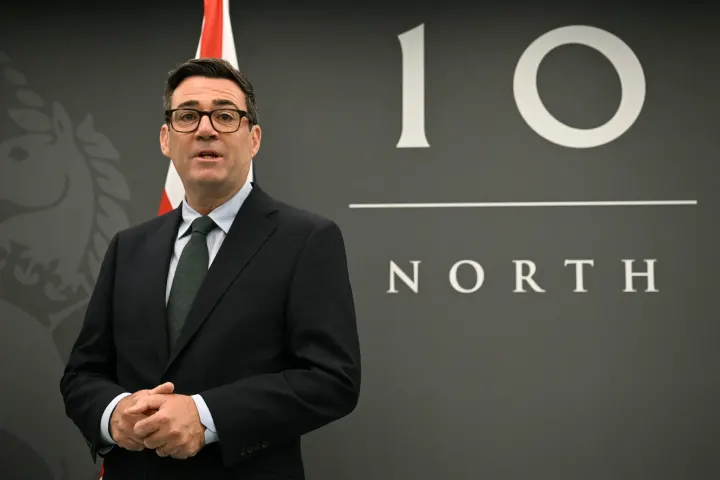
Andy Burnham Faces Energy Price Cap Pressure and Resurgent Brexit Campaign Groups
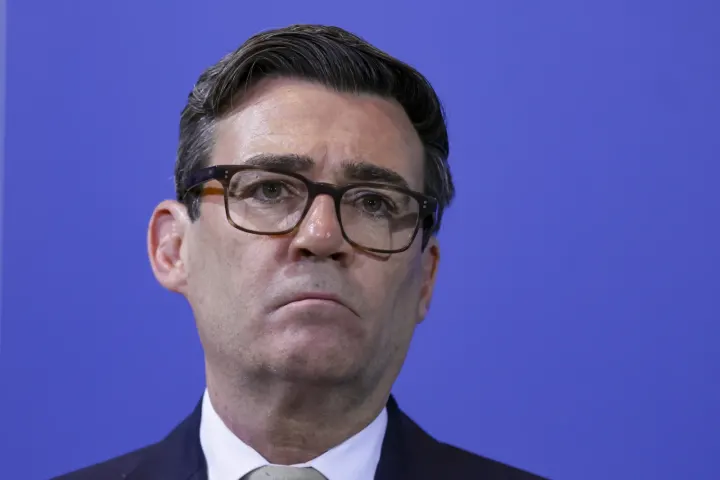
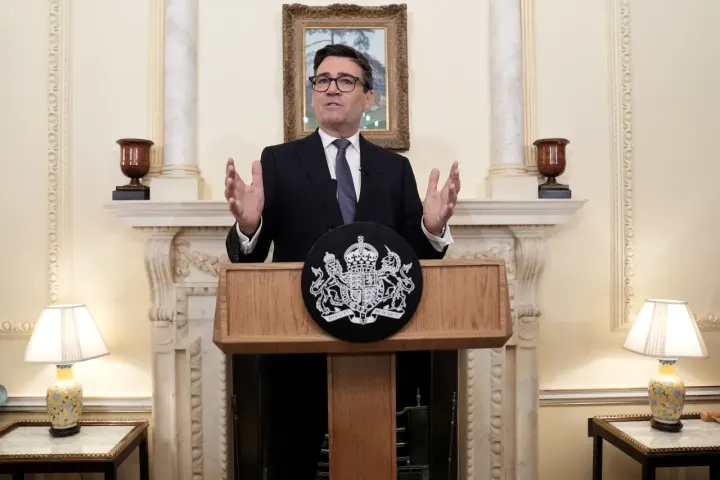
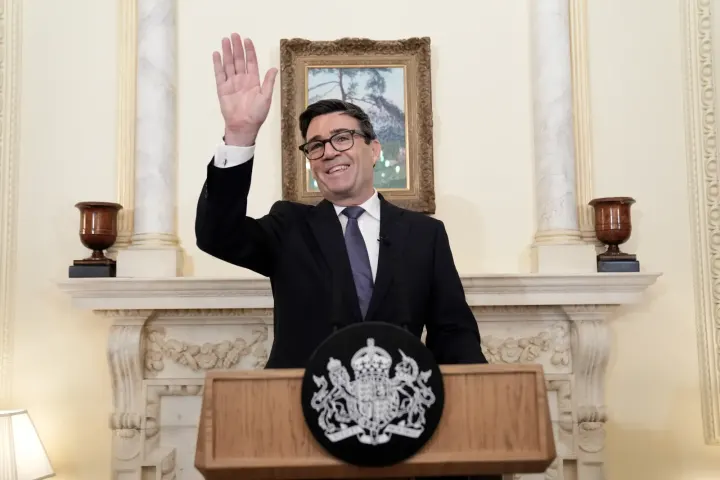
Prime Minister Andy Burnham faces a severe political test in the House of Commons as regulatory bodies confirm a fresh increase in household heating costs. The timing of this announcement coincides directly with his scheduled weekly clash against Conservative leader Kemi Badenoch, creating an exceptionally difficult parliamentary environment for the government. With energy bills set to rise once again, the opposition has secured immediate ammunition to challenge the administration on its core economic pledges.
Mr Burnham stated this week that he does not want to spend his entire premiership banging on about Europe, but events in Westminster are making it increasingly difficult to avoid the topic. The convergence of rising domestic utility expenses and renewed European Union debates has placed the administration on the defensive. Critics argue that making firm commitments to lower the cost of living through specific diplomatic maneuvers exposes the government to severe political risk when global markets dictate actual consumer costs.
Why Pledging to Lower Energy Bills Carries High Political Risk
Governments often find themselves in difficult territory when they tie their political fortunes to metrics governed by international commodity markets rather than domestic policy levers. Energy pricing relies heavily on global wholesale gas markets, geopolitical stability, and international supply chains, none of which fall under the direct administrative control of a single national leader. When Ofgem announces adjustments to the price cap, it reflects these broader international realities rather than domestic political choices.
By pledging to bring down bills through mechanisms such as an EU reset deal, the administration opens itself up to direct attacks whenever market forces push prices upward. The latest regulatory update confirms that heating bills are increasing, undermining the central narrative of cost reduction that the Prime Minister previously established. This dynamic transforms every regulatory price review into a referendum on government competence, leaving little room for error when households face mounting financial pressures.
Understanding how global commodity markets interact with domestic regulatory frameworks helps clarify the limits of executive power over household expenses. Wholesale gas prices fluctuate based on weather patterns, international conflicts, and supply interruptions across multiple continents. National regulators calculate the price cap using mathematical formulas based on these wholesale costs over preceding months, meaning political leaders cannot simply decree lower bills without risking severe disruptions to energy supply companies.
The Return of the Bad Boys Of Brexit and New Pressure Groups
Adding to the tension in Westminster, the distinct political atmosphere of the 2016 referendum has returned as prominent figures from past campaigns mobilize once again. The self-proclaimed Bad Boys Of Brexit are reforming their networks, bringing back memories of the intense ideological battles that reshaped British politics a decade ago. Nigel Farage, alongside key allies Arron Banks and Andy Wigmore, who previously led the Leave.EU movement ten years ago, are stepping back into the public eye with a new organizational structure.
This faction will launch a new pressure group named Keep Britain Out during a press conference attended by the Reform leader. Campaign sources indicate that the network retains a database containing hundreds of thousands of supporters who remain ready to mobilize at short notice. The reactivation of these legacy structures signals a renewed push to influence the national conversation surrounding Britain's relationship with continental Europe, complicating the political calculations for the current government.
The original Leave.EU campaign used digital mobilization strategies that altered modern British campaigning, and the resurrection of these techniques poses fresh questions for political analysts. Organizers intend to leverage existing supporter databases to drive messaging across digital platforms and traditional media outlets. This structured approach ensures that European policy remains a prominent fixture in public discourse, regardless of the legislative priorities chosen by the sitting administration.
Factional Divisions on the Right and the Rival Stay Out Campaign
The return of the Leave.EU figures does not happen in a vacuum, as the broader political right remains divided among competing factions. A rival campaign group named Stay Out has also entered the field, largely staffed by former Conservative politicians who hold differing views on how to approach European policy. These competing initiatives highlight deep internal fractures among opponents of European integration, mirroring the organizational rivalries that characterized the original referendum campaigns.
During the 2016 referendum, internal factionalism within the Eurosceptic camp ultimately failed to prevent them from claiming ultimate victory at the ballot box. However, the contemporary political environment features even more fierce divisions, with the Conservative Party and Reform UK engaged in relentless political combat. Mr Burnham will be hoping these two rival Leave forces drown each other out rather than complement each other by appealing to different segments of the electorate.
The existence of multiple groups occupying the same ideological space creates a crowded campaigning ecosystem where each organization must fight for donations, media coverage, and volunteer energy. Former Conservative personnel involved in the Stay Out initiative bring institutional knowledge of parliamentary dynamics, contrasting with the populist outsider approach favored by the Keep Britain Out founders. These divergent organizational cultures ensure that opposition to European alignment will be pursued through multiple, uncoordinated channels.
Managing Westminster Politics Amid Competing Pressures
As the Prime Minister prepares to face Kemi Badenoch in the Commons, the confluence of domestic economic pain and resurgent European identity politics creates a complex governing challenge. The administration must navigate voter frustration over living standards while simultaneously dealing with political opponents who are eager to relitigate past constitutional battles. With energy expenses climbing and multiple campaign groups vying for public attention, the government finds its policy agenda squeezed from multiple directions.
Observers note that the Prime Minister's desire to move past the debates of the past decade remains unfulfilled as external events draw Westminster back into familiar arguments. Whether the administration can successfully separate its economic messaging from the resurgence of organized European skepticism will largely determine its ability to maintain public trust. For now, the administration must confront immediate parliamentary scrutiny over heating costs while managing a political landscape that refuses to leave the past behind.
Parliamentary mathematics and party management require constant attention as backbench MPs feel the direct impact of constituent anger over utility bills. Constituency surgeries across the country are filling up with residents struggling to pay winter heating costs, translating local discontent directly into pressure on Westminster representatives. Ministers must present coherent answers during media appearances and legislative debates to reassure both the public and their own parliamentary party.