Andy Burnham and the Escalating UK Cost of Living Crisis
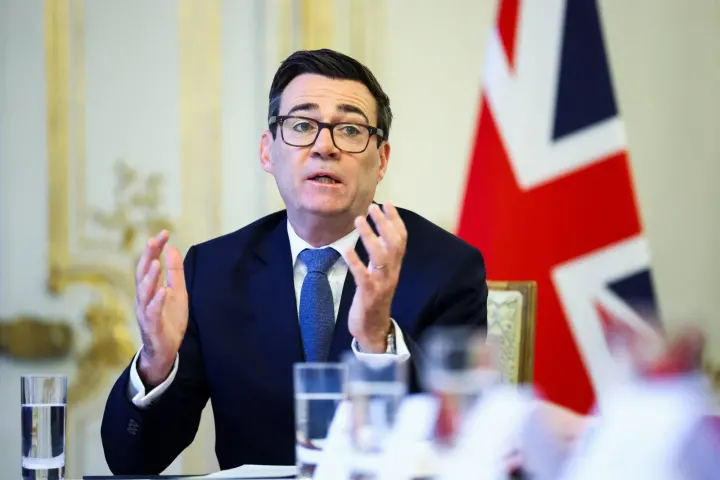
Prime Minister Andy Burnham built his political platform on addressing the financial pressures facing citizens, promising breathing space for today and hope for the future during last month Budget rollout. For millions of households across the United Kingdom, however, reality feels more like quiet suffocation as everyday expenses continue to climb. Yesterday official inflation figures revealed that the Consumer Prices Index reached 3.6 per cent in October, and analysts warn that even steeper financial pain lies ahead for families trying to make ends meet.
Government ministers have consistently pointed to external factors, specifically the Iran War and the blockade of the Strait of Hormuz, as the primary drivers of renewed oil and gas price spikes around the world. Critics argue that blaming international conflict alone ignores domestic policy decisions that actively contribute to the ongoing financial squeeze. Understanding the full scope of the current economic challenge requires examining inflation data, energy market forecasts, business overheads, and the broader tax burden on working people.
How Inflation Data and Energy Bills Impact British Households
The latest Office for National Statistics data shows that the Consumer Prices Index climbed to 3.6 per cent in October. Meanwhile, core inflation, which accounts for housing costs while excluding volatile food and energy prices, stood at 3.1 per cent over the past twelve months. Even before the outbreak of the Iran War in February, inflation was already running at three per cent, which is double the target set by the Bank of England. In fact, inflation has remained above the central bank target every single month since October 2024.
Energy costs represent a major component of household anxiety as winter approaches. Analysts at Cornwall Insight predict that the Ofgem Price Cap will increase the average annual household energy bill to £2,166 starting in January, representing a 26 per cent jump from current bills of £1,723. While global oil and gas markets face disruption, domestic energy policies also play a significant role. The push to decarbonize the National Grid has left the country with some of the highest industrial electricity prices and the second-highest domestic prices among all member countries of the International Energy Agency. Wholesale electricity prices recently touched £500 per megawatt-hour at one point, reaching nearly five times the average of the previous twelve months due to reliance on gas plants, battery facilities, and short-notice foreign power imports to balance intermittent wind and solar generation.
The Impact of Government Policies on Business Costs and Employment
Beyond utility bills, business owners face severe financial headwinds that feed directly back into consumer prices. Rachel Reeves implemented a manifesto-busting rise in employer National Insurance Contributions, accompanied by a sharp increase in the National Minimum Wage and additional costs introduced through the Employment Rights Bill. While the administration offered minor concessions to pubs and live music venues, other hospitality operators such as hotels and restaurants, along with wider commercial sectors, continue to face soaring business rates.
These mounting business expenses threaten broader government objectives, including welfare reforms designed to reduce the number of young people not in employment, education, or training, commonly known as NEETs. Job vacancies suffered a sharp decline of 21,000 in September. Forcing young people back into the workforce yields little success if local employers lack the financial capacity to create new positions.
Housing Pressures, Mortgage Rates, and Rental Markets
Housing expenses continue to place a heavy burden on families across England. Mortgage costs have trended upward as rising bond yields reflect a loss of investor confidence in the government public finance management. At the same time, rental prices across England have increased by four per cent over the past twelve months. This rental inflation stems partly from the Renters Rights Act, which has prompted numerous property investors to leave the market and list their holdings for sale, reducing overall supply.
Prime Minister Andy Burnham has attempted targeted interventions, such as subsidizing £2 bus fares and removing Value Added Tax from domestic fuel bills. Critics note that the removal of fuel VAT was only possible because the UK is no longer bound by European Union tax rules, a departure Burnham opposed in past votes. Overall, however, these measures have failed to reverse the broader price increases that followed the post-Covid inflation spike of 2022.
Stealth Taxes and the Growing Divide Between Public and Private Sectors
Inflation figures alone do not capture the full extent of financial pressure on citizens, as the tax burden continues to expand through fiscal drag. By extending the freeze on income tax thresholds until 2031, more taxpayers find themselves pushed into higher tax brackets simply to keep pace with rising prices. According to projections from the Office for Budget Responsibility, this stealth tax will extract an extra £67 billion from taxpayers by 2031.
Economic outcomes vary sharply depending on employment sector. Favored public sector workers received an average pay rise of 6.3 per cent over the past twelve months, shielding them from the worst of the inflation wave. Private sector employees experienced an average wage increase of just three per cent, falling well behind the rate of inflation and leaving ordinary private workers poorer in real terms.
Voters ultimately removed the Conservative administration over declining living standards, even with the unprecedented disruption of the pandemic as a backdrop. Andy Burnham faces a similar political reckoning. Unless his administration alters course and successfully lowers the cost of living through a comprehensive review of domestic economic policies, his political future remains in severe jeopardy.