How Weight-Loss Jabs Affect Alcohol Consumption
Weight-loss medications such as Ozempic and Wegovy are changing more than just waistlines, according to new research showing they significantly curb cravings for alcohol. Medical professionals report that these treatments reduce the desire for intoxicating drinks alongside carbohydrate-heavy junk food, offering a clearer picture of how GLP-1 receptor agonists alter daily habits. Analysis of shopping data from thousands of households reveals that patients taking these drugs actively reduce their purchases of specific alcoholic beverages, with sparkling wine facing the most dramatic decline.
The research, conducted by manufacturer Novo Nordisk, examined shopping patterns across 19,000 UK homes. Findings were presented at the Obesity Week conference in Maryland, United States, highlighting the wider lifestyle shifts experienced by patients. Timothy Arnaut, study author from Novo Nordisk, stated that spending on alcohol was strongly negatively impacted by weight-loss treatments. George Godfrey, UK medical director at the company, added that managing weight involves many everyday decisions and behaviours beyond simple willpower.
Which Alcoholic Drinks Face the Biggest Drops?
Sparkling wine emerged as the category most heavily shunned by households using fat jabs. Homes with at least one user of these medications purchased 27 per cent fewer bottles of bubbly, including French champagne, Italian prosecco, and Spanish cava. Spending on these celebratory drinks dropped by 33 per cent compared to households with no users of GLP-1 drugs. Cider followed closely behind as the second hardest hit category, recording a 26 per cent drop in purchase volume. Spirits and lager also saw notable reductions, with drops of 13 per cent and 12 per cent respectively.
Almost one in five people surveyed, representing 19 per cent of participants, reported feeling a reduced desire to consume alcohol after beginning their weight-loss regimen. In contrast, still wine stood out as the only alcoholic category where consumption appeared to increase, rising by 12 per cent in households using the medication. Experts believe these shifts occur because the medications block brain signals responsible for triggering cravings for various guilty pleasures, extending far beyond fatty foods.
Dietary Shifts in Households Using GLP-1 Medications
Alongside changes in alcohol consumption, shopping baskets in homes with weight-loss jab users showed distinct shifts in food purchases. Households increased their buying of ready meals, fruit juice, water, yoghurt, and protein bars. At the same time, spending decreased on staples like pasta, bread, pies, and pizza. Market research estimates that approximately 8.5 per cent of UK homes currently include a user of weight-loss jabs or pills, pointing to a growing population experiencing these behavioural changes.
Managing obesity has historically focused on diet and exercise, but the physical mechanisms of GLP-1 drugs introduce a biological element to appetite control. By mimicking natural hormones that signal fullness and slowing down digestion, these medications alter the neurological rewards associated with eating and drinking. Patients often report an unexpected indifference to substances they previously enjoyed, providing researchers with valuable data on real-world weight management.
Understanding Weight-Loss Injections and How They Work
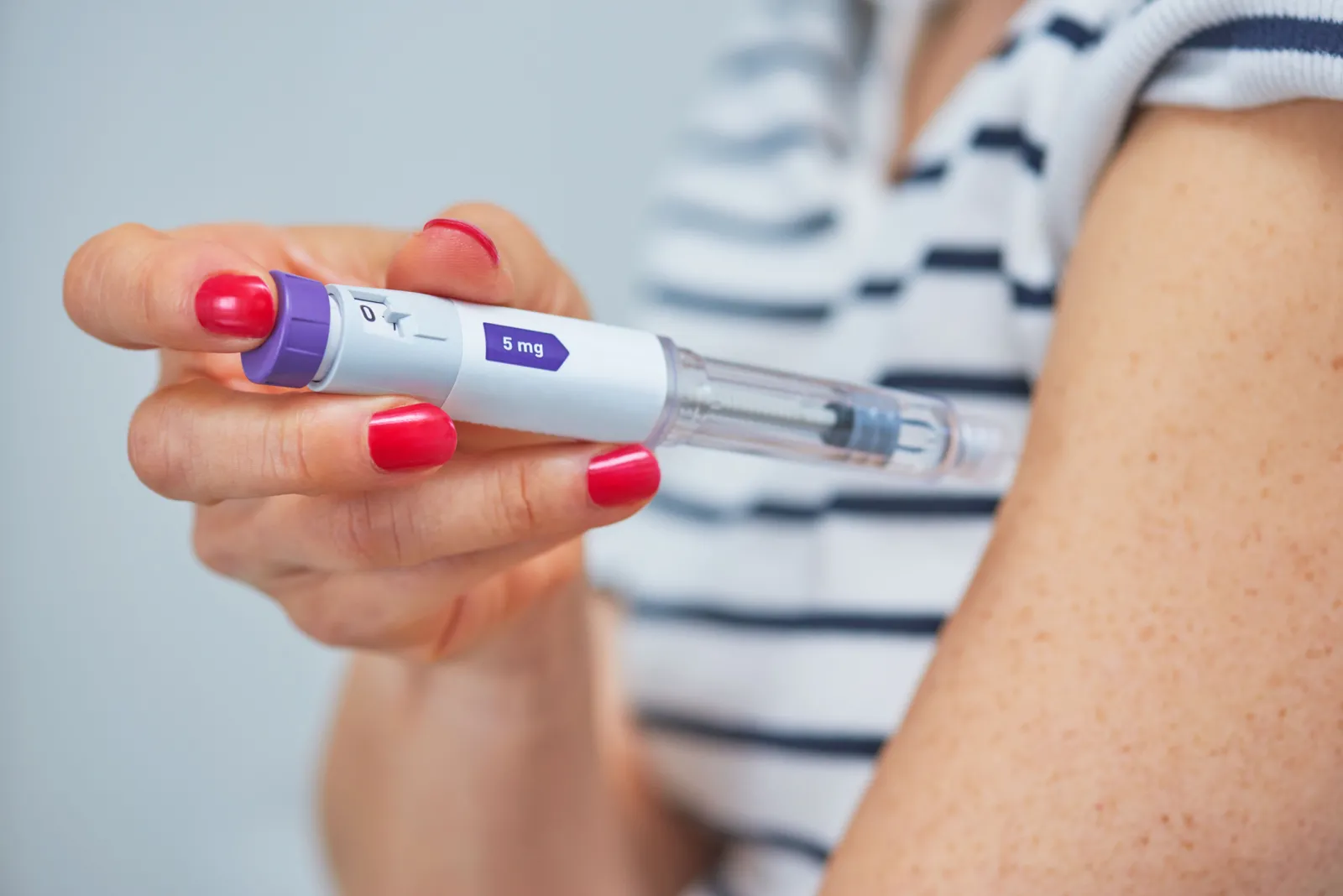
Weight-loss injections have surged in popularity due to their effectiveness in helping individuals shed excess weight and potentially lower the risk of serious diseases. In the UK, the primary medications used are Wegovy, which is a modified version of the type 2 diabetes drug Ozempic, and Mounjaro. Wegovy uses semaglutide and has been prescribed on the NHS for years, while Mounjaro contains tirzepatide and accounts for the majority of private prescriptions for weight loss.
These treatments function by mimicking a hormone named GLP-1, which informs the brain when the stomach has reached capacity. Because of this mechanism, they are classified as GLP-1 receptor agonists. They also slow down digestion and boost insulin production to lower blood sugar levels. Originally created to treat type 2 diabetes, their ability to suppress appetite and promote fat burning has made them a primary tool in modern obesity treatment.
Availability and Prescription Guidelines on the NHS
Access to these medications through the National Health Service involves strict criteria. NHS prescriptions for Wegovy are managed primarily through specialist weight loss clinics. Patients typically need a body mass index of 30 or higher, placing them in the medically obese category, alongside a weight-related health condition such as high blood pressure. They are also expected to have attempted traditional diet and exercise programmes before qualifying.
Mounjaro is available through NHS general practitioners for weight management, but access is restricted to a very small group of high-risk patients. The rollout prioritises individuals with a body mass index higher than 40 who also suffer from four weight-related health conditions. Meanwhile, private prescribers offer Mounjaro more widely to individuals classified as obese or overweight with associated health risks. Private pharmacies face increased regulatory scrutiny and now require mandatory video or face-to-face appointments to verify patient health details.
Potential Side Effects and Health Risks
While effective for weight management, these medications carry common side effects that patients must navigate. Approximately half of individuals taking the drugs experience gastrointestinal issues, including persistent sickness, bloating, acid reflux, constipation, and diarrhoea. Medical professionals monitor patients closely for more severe complications during treatment.
Dr Sarah Jarvis, general practitioner and clinical consultant at patient.info, noted that severe acute pancreatitis represents an uncommon but extremely painful side effect occurring in roughly one out of every 500 people. Other rare complications include altered taste, kidney problems, allergic reactions, gallbladder issues, and hypoglycemia. Evidence regarding the impact of these injections on mental health remains inconclusive, keeping ongoing medical observation a priority for prescribing physicians.