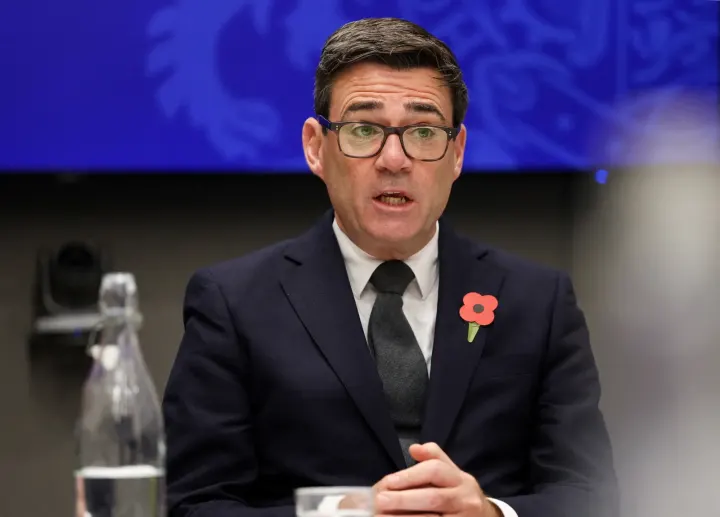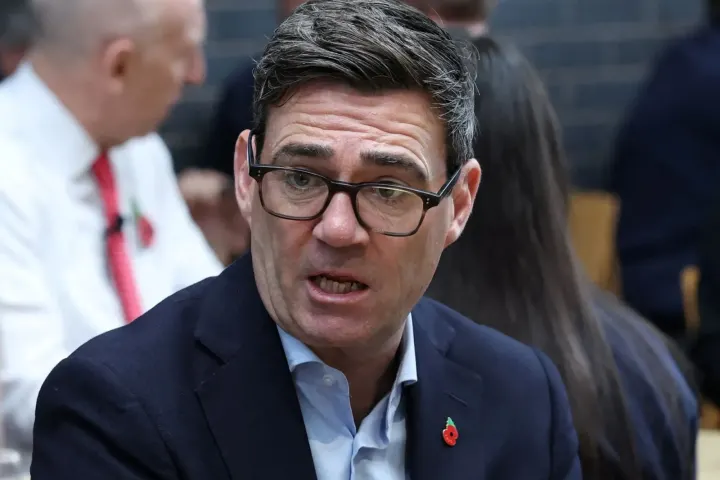
Prime Minister Andy Burnham faces a challenging November as a series of political tests approach after enjoying a relatively smooth first 100 days in No10, supported by a Budget that included £100 towards energy bills for 20 million households, extended electricity VAT cuts, and a frozen fuel duty.
Chancellor John Healey's recent Budget received a fair verdict from 45 per cent of respondents in a YouGov poll, though nearly three-quarters still view the economy negatively and more than half believe it brings no real financial difference to their families.
Burnham admitted the Budget lacked radical elements due to limited room for manoeuvre, pinning his long-term hopes on a 10-year transformation plan instead.
However, November brings immediate hurdles across immigration, welfare, Brexit, and policing, alongside four international summits spanning Antigua, Turkey, Dublin, and Brussels.
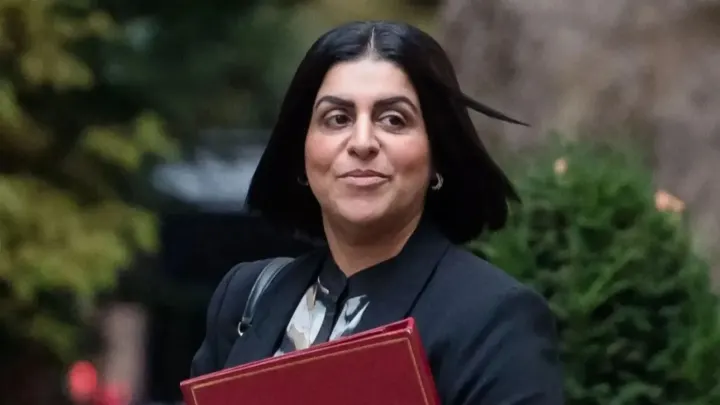
Home Secretary Shabana Mahmood is expected to release the government response regarding proposals for a 15-year wait for permanent residency for some migrants, potentially triggering backbench opposition.
Mahmood also faces structural questions over her plans to merge Britain's 43 police forces into larger regional bodies, which intersect with local devolution goals.
Welfare reforms also pose risks, with upcoming reviews from Alan Milburn on youth unemployment and Sir Stephen Timms on Personal Independence Payments.
On November 20, Burnham will travel to Brussels to meet EU leaders Ursula von der Leyen and António Costa to discuss food exports, energy, and youth mobility deals aimed at boosting the economy by more than £10billion a year by 2040.