Pakistan will face the lowest United States tariff among its key export rivals after Washington announced steep new duties on India, Vietnam, Bangladesh, several other Asian economies and the European Union, while leaving Pakistan out of the new action.
The Office of the United States Trade Representative (USTR) on November 25 released findings from 14 Section 301 investigations into "structural excess capacity" in manufacturing. The investigations cover China, the European Union, India, Vietnam, Bangladesh, Cambodia, Indonesia, Malaysia, Thailand, Japan, South Korea, Taiwan, Singapore and Switzerland. Pakistan was not part of these investigations.
Why the United States Is Targeting Section 301 Duties
Section 301 of the Trade Act of 1974 gives the USTR authority to investigate and respond to foreign practices that burden or restrict U.S. commerce. Since 2018 the office has used the tool to address forced-labour concerns, intellectual-property violations and, more recently, what it calls "structural excess capacity" - a situation where a foreign industry can produce far more than needed, depressing global prices and hurting U.S. producers.
In the latest round, USTR focused on sectors such as steel, aluminum, textiles and certain high-tech components. The investigations are public, and the agency must publish a notice of proposed rulemaking before any duty can be finalized. The process includes a comment period, public hearings and a final rule that may incorporate exemptions or reductions if a trade agreement is reached.
How Pakistan Compares
Pakistani goods will stay at the existing 10% Section 301 duty that the United States imposed in July over forced-labour enforcement. Its competitors face much higher proposed rates:
- Vietnam: up to 35% (20% if it reaches a trade deal)
- India: up to 25% (17% with a trade deal)
- Bangladesh: up to 18%
- Cambodia: up to 18%
- Indonesia: up to 18%
- European Union: 15%
- China: up to 20%
The gap between Pakistan's 10% duty and the proposed rates for rivals ranges from 5 to 25 percentage points, depending on the product and the final negotiated outcome.
What It Means for Exporters
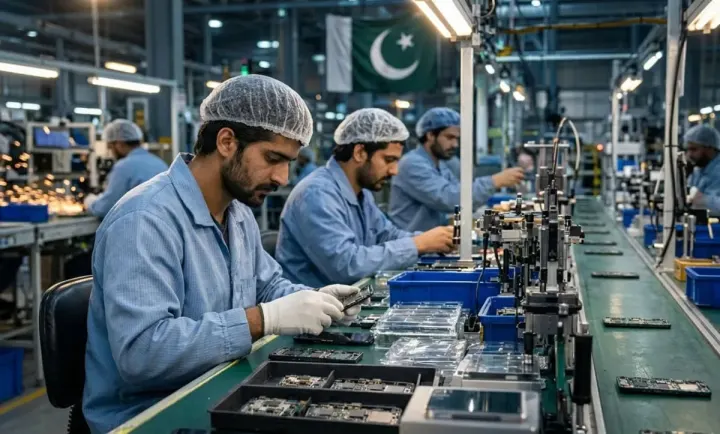
If the proposals go through, Pakistani exporters, especially textile and apparel makers who compete head-on with Bangladesh, Vietnam, India and Cambodia in the U.S. market, could gain a price edge of 8 to 25 percentage points on many products. That advantage could translate into higher order volumes, better margins and increased market share for firms that have already invested in U.S. compliance and branding.
However, the new duties are not final yet. Written comments are due by January 5, 2027, and USTR will hold public hearings from January 25, 2027. Product exemptions or trade deals could still lower the final rates for rivals. Pakistan has also been negotiating its own trade deal with Washington, which could lock in preferential treatment and provide a formal framework for future cooperation.
Background on Pakistan-U.S. Trade Relations
Pakistan and the United States have maintained a complex trade relationship for decades. In 2022, bilateral merchandise trade reached roughly $4.5 billion, with textiles, apparel, and agricultural products accounting for the bulk of Pakistani exports. The July 2023 Section 301 duty of 10% was imposed after U.S. authorities identified forced-labour risks in certain Pakistani garment factories. The duty applied to a narrow list of items, mainly cotton-based apparel, and was intended to encourage remediation.
Since then, Pakistani manufacturers have taken steps to improve supply-chain transparency, including adopting the U.S. Department of Labor's "List of Goods Produced by Child Labour" standards and joining the Better Work program. These efforts have helped keep the duty at a relatively modest level compared with the punitive rates proposed for other countries.
Impact on Different Stakeholders
Textile manufacturers: The potential price advantage may allow firms to win contracts that previously went to lower-cost producers in Bangladesh or Vietnam. Companies that have already achieved compliance with U.S. labour standards stand to benefit most.
Small and medium-size exporters: A lower tariff can improve cash flow and reduce the need for price concessions, making it easier for smaller firms to enter the competitive U.S. market.
U.S. importers and retailers: They may see a shift in sourcing patterns, with more Pakistani fabrics and garments appearing on shelves, potentially affecting inventory strategies and pricing models.
Policy makers in Pakistan: The development offers leverage in trade negotiations with Washington and underscores the value of maintaining compliance with labour and environmental standards.
Procedural Steps Ahead
The USTR's rulemaking timeline is clear. After the comment deadline on January 5, 2027, the agency will review submissions, hold hearings starting January 25, 2027, and then draft a final rule. The final rule is expected to be published no later than mid-2027, after which duties will be assessed on imported goods.
Stakeholders can influence the outcome by submitting detailed comments, providing data on capacity utilization, and highlighting any existing trade agreements that could mitigate the proposed rates. Trade associations in Pakistan have already begun preparing position papers and are coordinating with U.S. counterparts to present a unified case.
What Exporters Should Do Now
- Review current tariff classifications to ensure all eligible products are correctly coded under the 10% duty.
- Strengthen compliance documentation, especially regarding forced-labour safeguards, to pre-empt any future escalations.
- Engage with U.S. buyers to communicate the potential price advantage and explore new contract opportunities.
- Monitor the USTR comment period and consider submitting evidence that Pakistan does not suffer from structural excess capacity.
- Stay informed about the progress of the Pakistan-U.S. trade deal, which could lock in preferential treatment beyond Section 301.
Potential Risks and Uncertainties
While the headline advantage is clear, several variables could affect the final landscape. If the United States reaches trade agreements with Vietnam or India before the rule is finalized, the proposed rates could be reduced dramatically, narrowing Pakistan's edge. Conversely, if the USTR adds product-specific exemptions for rivals, the comparative benefit may be less pronounced.
Another risk lies in global supply-chain shifts. If manufacturers in Bangladesh or Vietnam invest in higher-value segments that are less tariff-sensitive, the price advantage may not translate into larger market share for Pakistan.
Long-Term Outlook
Pakistan's ability to maintain a competitive position will depend on continued adherence to international labour standards, diversification of its export basket, and the outcome of the pending trade agreement with Washington. If the country can secure a free-trade agreement, the 10% duty could be replaced by duty-free access for many categories, further solidifying its foothold in the U.S. market.
Analysts also note that the USTR's focus on "excess capacity" may signal a broader shift toward protecting domestic industries from low-cost imports, a trend that could affect other sectors such as automotive parts and electronics. Pakistani exporters should therefore monitor policy developments across the board, not only in textiles.
In summary, the United States' decision to exclude Pakistan from the upcoming Section 301 tariff hike creates a rare export advantage. The practical effect will be felt most by textile and apparel firms that can leverage the lower duty to offer more competitive pricing in the United States. The final impact will hinge on the outcome of the comment period, public hearings, and any trade agreements that may be concluded before the rule is finalized.