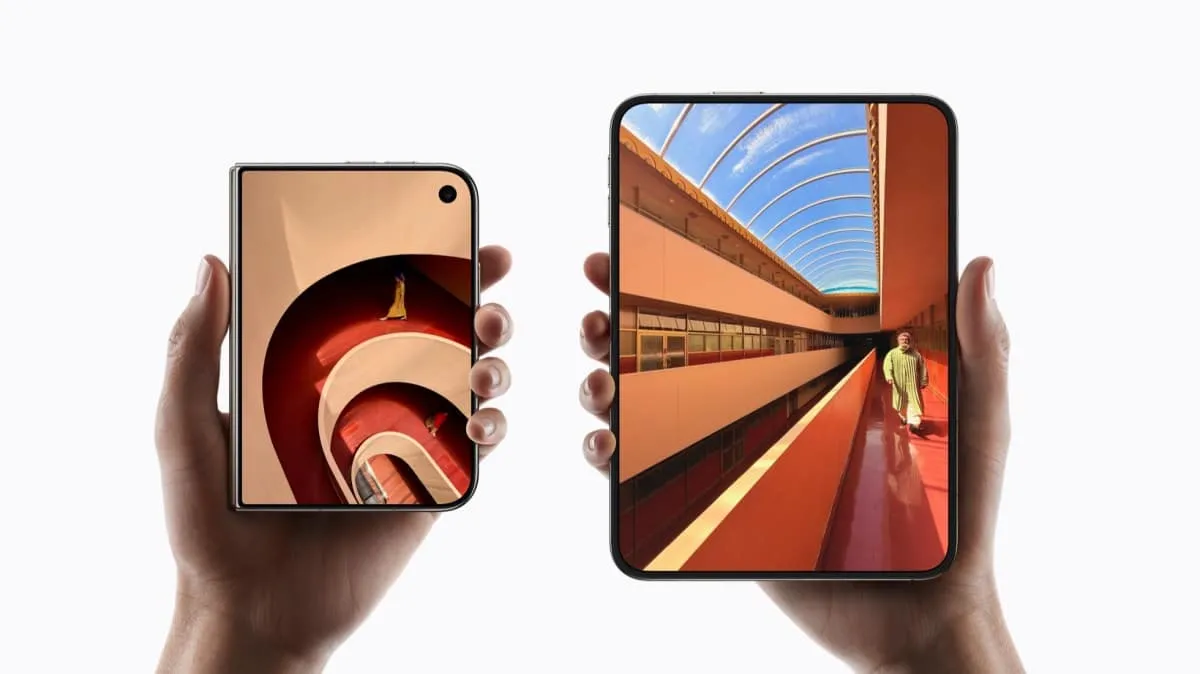
Apple iPhone Duo Surpasses 200,000 Optimized Apps and Adds Face Unlock
Apple has announced that more than 200,000 apps are now optimized for the iPhone Duo, doubling the number of supported applications in just 10 days. The milestone addresses one of the primary consumer complaints following the market introduction of Apple's inaugural foldable smartphone, marking a significant shift in software availability for the hardware platform.
The rapid expansion of compatible software comes after early users criticized the limited number of apps designed to take full advantage of Apple's first foldable smartphone. By expanding the catalog of tailored programs, the technology company aims to improve the daily usability of its dual-screen device for consumers and business users alike who rely on specialized software.
How Apple Reached 200,000 Optimized Apps So Quickly
On November 6, Apple confirmed that more than 100,000 apps had been optimized for the device. That figure has now surpassed 200,000, according to Greg Joswiak, Apple's senior vice president of Worldwide Marketing. The surge in numbers within a ten-day window indicates a high rate of adoption among third-party software developers building tools for the new form factor.
Apps optimized for the iPhone Duo now carry a "Made for iPhone Duo" badge on their App Store listings, making it easier for users to identify applications designed for the foldable. This badging system gives buyers clear guidance when browsing the digital storefront, cutting down on trial and error when searching for compatible software.
These apps are adapted to the device's wider inner display and interface, addressing one of the main complaints following its launch. Software engineering teams had to redesign layouts so that tools scale properly when moving between screens, preventing visual distortion or wasted interface space.
Technical Specifications of the iPhone Duo Screens
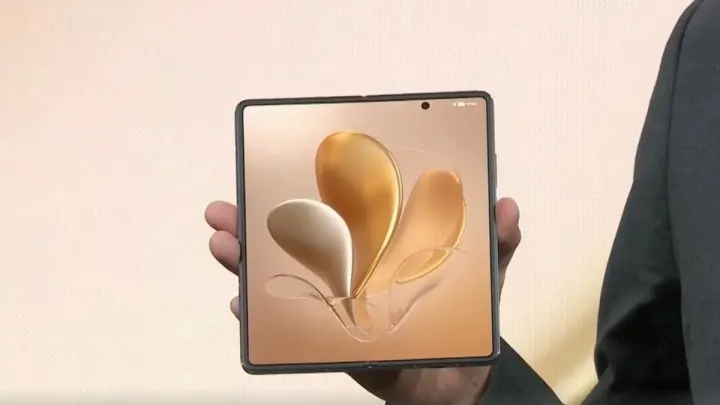
The iPhone Duo features a 7.6-inch foldable inner display and a smaller 5.4-inch cover screen. This dual-screen setup requires distinct handling of graphical elements depending on whether the phone is closed or opened flat by the user.
Over 200,000 apps are now optimized for iPhone Duo! That number DOUBLED in just over a week.
I’m excited by how quickly developers have embraced iPhone Duo, and I can’t wait to see what they build next.
— Greg Joswiak (@gregjoz) November 16, 2026
Apple made several changes to iOS to accommodate the phone's unusual screen proportions and allow applications to work across its two displays. Operating system hooks manage the handoff of active programs as the physical chassis changes shape, ensuring continuous sessions without application crashes.
However, the limited availability of optimized apps initially prevented users from taking full advantage of the larger screen. Buyers found that standard phone applications often looked stretched or failed to use the extra workspace efficiently.
The rapid increase in supported applications suggests that developers are continuing to adapt their software for Apple's foldable design, driven by user demand and developer tools provided by the operating system maker.
New Face Unlock Feature in iOS 27.3 Beta
The expansion in app support comes alongside another software development for the iPhone Duo. Apple has introduced a new facial unlock feature in the latest iOS 27.3 developer beta, bringing an alternative biometric option to registered testers.
The addition follows criticism of the original iPhone Duo's reliance on Touch ID instead of Apple's traditional Face ID authentication system. Many buyers and reviewers questioned why the hardware omitted facial recognition, given its widespread adoption across other flagship phone models in the lineup.
With more than 200,000 optimized applications and additional software features in testing, Apple is continuing to address the limitations identified following the iPhone Duo's launch. Software updates delivered over the air continue to refine how the device handles daily tasks and security checks.
Background on the Foldable Smartphone Market
Foldable mobile devices have grown from experimental hardware into a distinct product category over recent years. Manufacturers have experimented with hinges, flexible glass, and dual-screen configurations to attract consumers seeking larger viewing areas in pocket-sized bodies.
Apple entered this market later than some competitors, allowing the company to observe initial consumer reactions and technical hurdles faced by early pioneer devices. The strategy typically involves waiting until component supply chains and software ecosystems mature before releasing hardware to the mass market.
Despite the careful timing, the initial release still faced scrutiny over software readiness and biometric choices. The rapid catalog growth shows how quickly developers respond when a major platform holder establishes a new hardware standard.
What the App Store Changes Mean for Users
For everyday owners of the device, finding functional software is now more straightforward thanks to the new store badges. Users no longer need to guess which programs scale correctly to the inner screen dimensions.
Enterprise users who rely on productivity suites, communication tools, and data analysis programs benefit directly from the wider interface adaptation. Spreadsheets, document editors, and presentation tools take advantage of the 7.6-inch canvas to display more data at once.
Consumers watching media or playing games also see improvements as developers tune aspect ratios to fill the unconventional screen without awkward black borders or clipped interface controls.