OpenAI Moves Closer to Launching Its First Smartphone
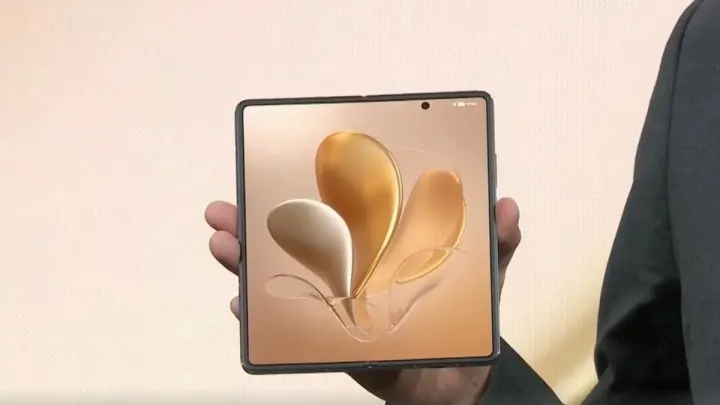
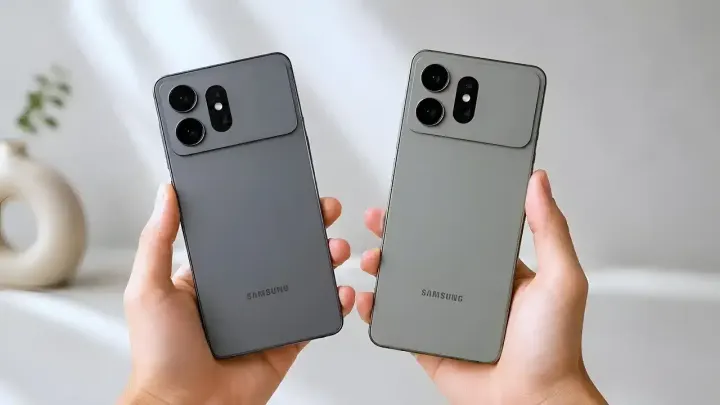
OpenAI is reportedly moving closer to launching its first smartphone, with a new supply-chain report claiming that Foxconn subsidiary FIH Mobile has secured orders to manufacture the device. According to China's Securities Times, FIH Mobile will handle the final assembly of OpenAI's rumored artificial intelligence powered smartphone. The device could reach the market in late 2027 or sometime in 2028. However, neither OpenAI nor Foxconn has confirmed the manufacturing agreement or officially announced a smartphone.
The transition from software developer to hardware creator marks a major strategic shift for the artificial intelligence enterprise. While the company has spent years refining conversational models and language interfaces, building physical consumer electronics requires an entirely different operational foundation. Manufacturing mobile devices involves complex global supply chains, stringent quality control standards, and massive capital investments before a single unit reaches a store shelf.
Industry analysts have watched these hardware ambitions closely, noting that consumer hardware integration represents the next logical frontier for advanced artificial intelligence models. By controlling both the intelligence layer and the physical housing, developers can optimize how software responds to user inputs. This tight integration could bypass the limitations of traditional operating systems, offering a more fluid user experience than what is currently available on standard mobile handsets.
Which Manufacturers Are Linked to the OpenAI Phone Project?
FIH Mobile, which trades on the Hong Kong Stock Exchange under the ticker 02038.HK, specializes in designing, manufacturing, and assembling smartphones and other electronic devices. Its parent company, Foxconn, is one of Apple's largest iPhone manufacturing partners. The November 19 report, citing supply-chain sources, claims that FIH Mobile has received assembly orders for OpenAI's smartphone project. However, the report did not reveal the phone's design, production volume, or manufacturing schedule.
A separate report from Cailian Press suggests that several existing Apple suppliers, including Luxshare Precision, Lingyi iTech, and AAC Technologies, could also provide components for the device. Earlier reports offered different details about OpenAI's smartphone manufacturing plans. In April, analyst Ming-Chi Kuo suggested that Luxshare could manufacture the device, while MediaTek and Qualcomm were reportedly being considered for a customized processor.
At the time, production was expected to begin in 2028. However, Kuo revised the timeline in May, suggesting that OpenAI could begin mass production as early as the first half of 2027. The phone was also rumored to use a customized processor based on MediaTek's Dimensity 9600. The latest supply-chain reports now suggest a possible commercial launch in late 2027 or 2028. OpenAI has not confirmed the chipset, manufacturing schedule, or launch date.
How Will Artificial Intelligence Agents Change Mobile Interaction?
Unlike conventional smartphones that primarily rely on users opening individual applications, OpenAI's rumored phone could focus on artificial intelligence agents that perform tasks on behalf of users. Earlier leaks suggested that the device would allow users to complete certain activities through artificial intelligence assistance without repeatedly switching between apps. If released, the smartphone would put OpenAI in more direct competition with Apple, Samsung, and other established smartphone manufacturers. However, details about its operating system, design, and user interface remain unknown.
Traditional mobile operating systems are built around application grids, requiring users to navigate separate programs for banking, messaging, navigation, and entertainment. An agent centric approach aims to abstract away these individual interfaces. Users might simply state an objective, allowing the background software to execute multi-step processes across different digital services autonomously.
This shift could reduce friction for everyday digital tasks, altering how consumers interact with mobile technology. However, it also introduces significant technical and security challenges. Managing sensitive personal data, executing financial transactions, and maintaining device security without human supervision demand unprecedented levels of trust and reliability from the underlying artificial intelligence models.
What Other Hardware Devices Is OpenAI Developing?
The rumored smartphone is part of OpenAI's wider interest in consumer hardware. Previous reports have linked the company to a doughnut-shaped artificial intelligence speaker and a compact keypad called Codex Micro, which could provide physical controls for artificial intelligence agents. These devices could potentially arrive before the smartphone. OpenAI and Foxconn already have an established business relationship. The companies announced a partnership involving artificial intelligence data centre equipment in 2025.
Foxconn chairman Young Liu also said in late October 2026 that the two companies were discussing additional joint projects. However, neither company has confirmed whether those discussions include a smartphone. For now, the reported manufacturing order suggests OpenAI's phone project may be progressing, but its final design, price, specifications, and release plans remain unconfirmed.
Diversifying into alternative form factors allows the enterprise to test different interaction paradigms before committing to the massive financial outlay of a flagship smartphone. Compact accessories and ambient home devices provide valuable behavioral data on how consumers prefer to interact with physical artificial intelligence tools in real-world environments.
Understanding the Broader Market Impact and Timeline
Entering the mobile hardware market pits a pure software innovator against entrenched giants with decades of manufacturing experience. Companies like Apple and Samsung maintain vast global distribution networks, proprietary silicon design teams, and deeply loyal customer bases. To carve out a meaningful market share, any new entrant must offer a compelling reason for consumers to abandon established ecosystems.
As the projected 2027 or 2028 launch window approaches, observers will monitor supply-chain disclosures and regulatory filings for concrete verification of these hardware plans. Until official executive announcements confirm pricing, technical specifications, and distribution strategies, the smartphone remains a speculative venture rooted in supply-chain intelligence.
Practical takeaways for industry watchers include keeping track of component supplier earnings calls, patent filings related to hardware interface controls, and official statements from Foxconn or OpenAI leadership. These channels will likely provide the earliest verifiable indicators of whether the device moves from confidential supply-chain reports to commercial production.