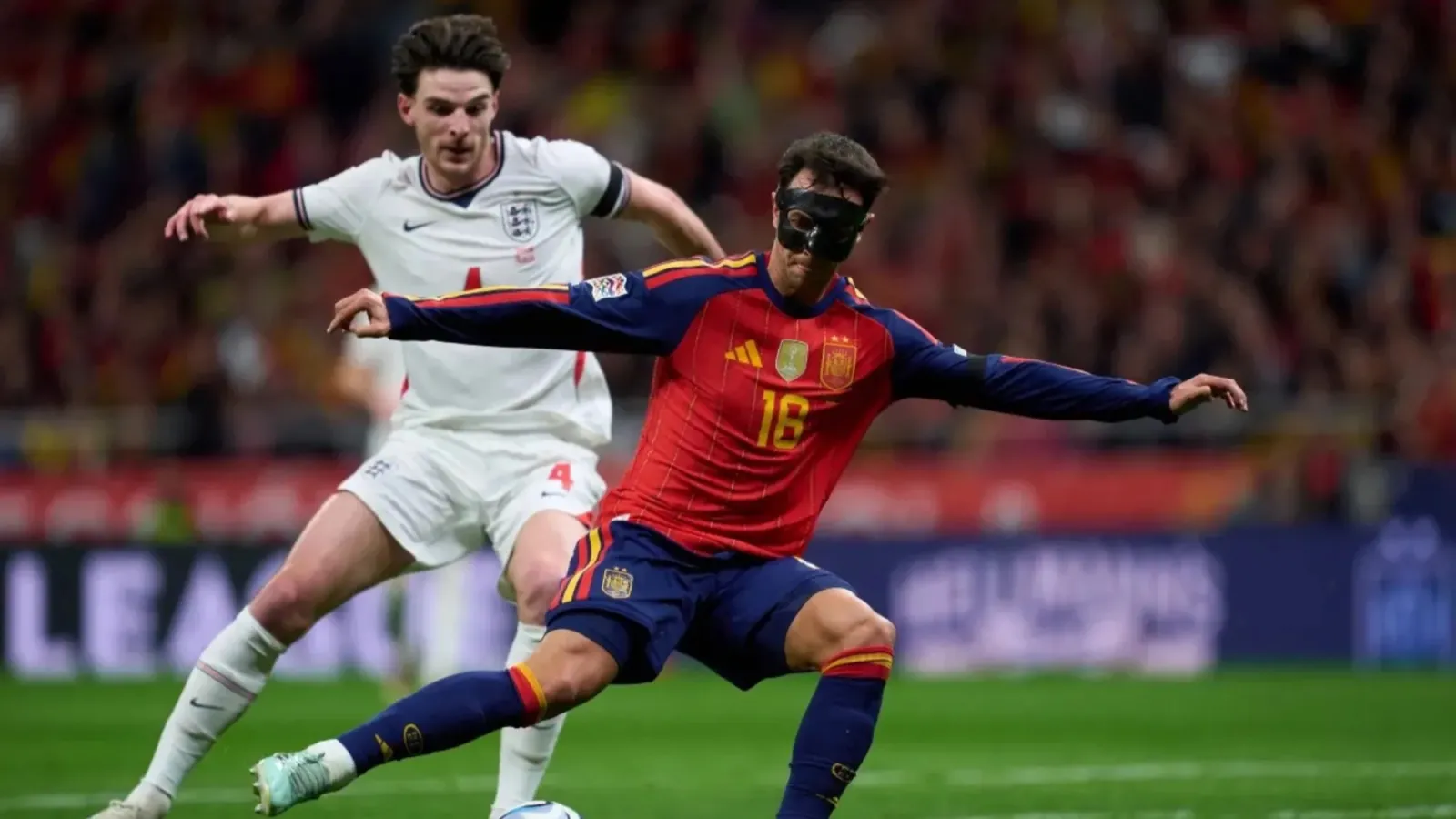
Arsenal midfielder Martin Zubimendi left the field with an apparent hamstring injury in the 72nd minute of Spain's Nations League match against England at the Wanda Metropolitano, creating a fresh concern for the club during the international break.
The 27-year-old, who started for Spain, was replaced by Nico Williams after hobbling off, and he appeared to clutch his hamstring as he made his way to the bench, a development that could affect Arsenal's midfield options ahead of the new Premier League campaign.
Who is Martin Zubimendi and why is his injury significant for Arsenal?
Martin Zubimendi is a Spanish international who joined Arsenal on a season-long loan from Real Sociedad in the summer of 2024. A product of Real Sociedad's academy, he made his senior debut in 2020 and quickly established himself as a deep-lying playmaker known for his composure, passing range and defensive work rate. Over three La Liga seasons he accumulated 85 league appearances, scoring five goals and providing nine assists.
His performances earned him a call-up to the Spain national team in 2023, and he has since earned 12 caps. Arsenal secured his services to add a technically adept midfielder capable of linking defence and attack, a role that has become increasingly valuable under manager Mikel Arteta's possession-based system.
Because Arsenal's midfield already features seasoned players such as Thomas Partey, Granit Xhaka and the emerging talent of Kai Havertz, Zubimendi was expected to rotate in and provide depth, especially in congested fixture periods. An injury at this stage could limit Arteta's tactical flexibility and force the club to rely more heavily on existing options.
What happened during the Spain vs England Nations League clash?
The match, held at the Wanda Metropolitano in Madrid, was a high-profile Nations League encounter that pitted two of Europe's traditional powerhouses against each other. Spain, coached by Luis de la Fuente, fielded a starting XI that included Zubimendi in a central midfield role, tasked with shielding the back line and initiating attacks.
In the 72nd minute, Zubimendi was visibly in discomfort. He slowed his stride, placed a hand on his right thigh, and then limped off the pitch. Luis de la Fuente immediately substituted him for winger Nico Williams. Video footage showed Zubimendi gripping the back of his leg as he walked toward the bench, a classic sign of a hamstring strain.
At the time of his exit, Spain were trailing 1-0 to England. The match eventually ended 2-1 in England's favour, but the focus shifted to Zubimendi's injury, especially for Arsenal fans monitoring the health of their new signing.
Why are hamstring injuries a particular concern for footballers?
Hamstring strains are among the most common soft-tissue injuries in professional football, accounting for roughly 12-15% of all match-related injuries, according to data from UEFA's injury surveillance system. The hamstring group consists of three muscles that cross both the hip and knee joints, making them vulnerable during high-speed running, sudden acceleration, and rapid changes of direction.
Typical recovery times vary by severity. A Grade 1 strain may require 1-3 weeks of rest and rehabilitation, while a Grade 2 injury can sideline a player for 4-8 weeks. Grade 3 tears, which involve a complete rupture, may keep a player out for three months or more. The exact grade for Zubimendi has not been disclosed, but the visible clutching of the muscle suggests at least a moderate strain.
Modern clubs employ sports scientists, physiotherapists and conditioning coaches to manage hamstring risk. Preventative programs focus on eccentric strengthening, flexibility work and load monitoring. However, the intensity of international fixtures, especially in tightly scheduled tournaments like the Nations League, can increase the likelihood of injury.
How does the injury affect Arsenal's short-term plans?
Arsenal's preseason training camp is scheduled to resume in early December, with the Premier League season set to start in August. If Zubimendi's hamstring requires more than a few weeks of rehabilitation, he could miss the early part of the campaign, including key fixtures against Liverpool, Manchester City and Tottenham Hotspur.
Arteta's squad depth will be tested. Thomas Partey, who has struggled with fitness in recent seasons, may need to shoulder a larger workload. Granit Xhaka, known for his stamina, could see increased minutes, while the club may turn to younger academy graduates such as Emile Smith Rowe or to recent signings like Declan Rice for additional cover.
Financially, Arsenal invested a loan fee and agreed to cover a portion of Zubimendi's wages. An extended absence could affect the club's return on that investment, prompting discussions about potential recall clauses or future transfer negotiations.
What is the historical context of Arsenal's use of loan signings?
Arsenal has a long tradition of augmenting its squad with loan players, especially from the Spanish league, to add technical quality without committing to large transfer fees. Notable past loans include Héctor Bellerín from Barcelona's academy and more recently, the short-term deal for Pablo Marí from Arsenal's own youth ranks.
These arrangements have often served as a trial period, allowing the club to assess a player's adaptation to the Premier League's physical demands and the manager's tactical system. Successful loans have sometimes led to permanent deals, as seen with the signing of Kieran Tierney after his loan spell from Celtic.
Zubimendi's loan follows this pattern, giving Arsenal a low-risk opportunity to evaluate a midfielder with strong ball-retention skills and a high football IQ. An injury early in his loan term could hinder that assessment, making it harder for Arteta to gauge his long-term suitability.
What are the next steps for Zubimendi's medical assessment?
Following the match, Zubimendi received immediate on-field medical attention and was taken to a nearby sports medicine facility for a preliminary evaluation. Arsenal's medical team, led by chief physiotherapist Gary O'Neil, will coordinate with the Spanish federation's doctors to conduct an MRI scan, which is the standard imaging method for confirming hamstring injury severity.
The results of the scan will determine the precise grade of the strain and the projected rehabilitation timeline. Arsenal will likely receive daily updates from the Spanish national team's medical staff, as the player remains under their jurisdiction until the international break concludes.
Once the diagnosis is confirmed, Zubimendi will begin a structured rehab program that typically includes rest, gentle stretching, progressive loading and sport-specific drills. The club's sports science department will monitor his load using GPS tracking and heart-rate data to ensure a safe return to full training.
How might this injury influence Arsenal's transfer market strategy?
Arsenal entered the summer transfer window with a clear intent to reinforce its midfield, targeting players who can operate in a high-pressing, possession-based system. The Zubimendi loan was part of a broader plan to add depth without overspending.
If Zubimendi's recovery extends beyond the early season, the club may consider activating a clause to recall him from the loan or may explore a short-term signing in the January window to cover the gap. Potential targets could include experienced Premier League midfielders or emerging talents from other European leagues.
Furthermore, the injury could affect negotiations with Real Sociedad regarding a possible permanent transfer. A prolonged absence may lower Zubimendi's market value, influencing Arsenal's willingness to meet the club's asking price.
What does this mean for Spain's national team?
Spain's squad depth in midfield is substantial, featuring players such as Pedri, Gavi and Rodri. However, Zubimendi's versatility, capable of playing both as a deep-lying midfielder and a more advanced playmaker, provides tactical flexibility for Luis de la Fuente.
The injury may force the Spanish coach to rely more heavily on younger options like Pablo Sarabia or to adjust the formation to compensate for the loss of a defensive anchor. In the context of the Nations League, every match carries weight for promotion and relegation, making squad stability essential.
What should Arsenal fans watch for in the coming weeks?
Supporters should monitor official club communications for updates on Zubimendi's medical status, including any statements about the MRI results and projected return date. Social media channels of Arsenal, the player's agent and the Spanish federation will likely share brief updates.
Additionally, fans can keep an eye on training reports once the international break ends. If Zubimendi is cleared for light training, Arsenal may gradually integrate him into pre-season sessions, allowing the coaching staff to assess his fitness level before competitive matches resume.
Finally, any change in the club's transfer activity, particularly rumors of a January signing, may be linked to the midfielder's injury situation.





