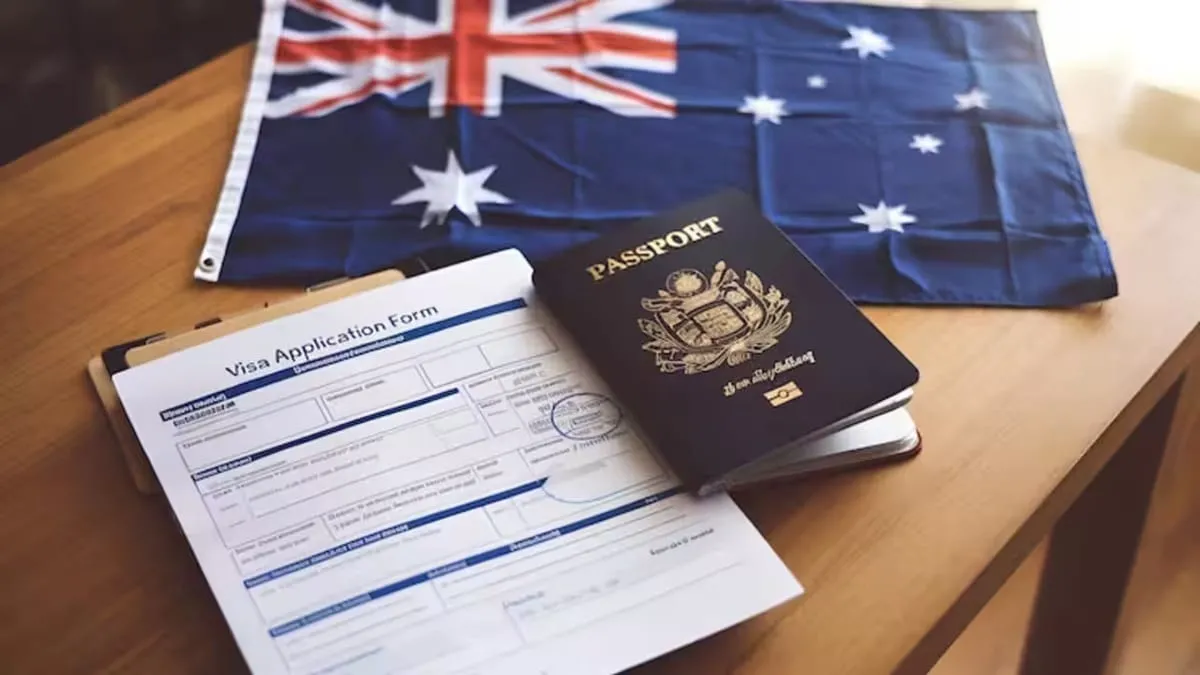
Australia is considering major changes to its student visa system, including stricter financial requirements that could require international students to deposit tuition fees and living expenses in Australian bank accounts before applying for visas. The Department of Home Affairs has launched a public consultation on the proposed changes amid concerns over high visa rejection rates, particularly among applicants from South Asian countries. According to reports, the consultation opened on October 30 and will remain open until November 23, 2026.
The Australian government is examining these policy adjustments to address vulnerabilities in the current migration framework. Educational institutions across the country have expressed worry regarding the steep drop in international student numbers. By taking public feedback through November 23, 2026, authorities hope to balance the integrity of the visa program with the needs of the higher education sector.
Proposed Financial Requirements for International Students
Under the proposed changes, the government is considering four options to strengthen financial checks for international students. These options aim to ensure that individuals arriving in the country possess adequate resources to support themselves without depending on unauthorized employment or public assistance.
The first option would require students to deposit 50% of their total tuition fees and living expenses for the entire course in an eligible Australian bank account for at least one month, with restrictions on withdrawals. The second option would require the same amount to remain in an Australian bank account for three months without withdrawal restrictions.
Under the third option, students would need to deposit 100% of their first-year tuition fees and living expenses for three months, with possible restrictions on accessing the funds. The fourth option would allow applicants to demonstrate their financial capacity through approved education loans, scholarships, personal savings, or a combination of these sources. Limited exemptions from transferring funds to an Australian account could also apply.
The proposals would also require students to submit financial evidence with their visa applications, regardless of their education provider's Evidence Level classification. This universal approach marks a shift from past practices where financial documentation requirements varied based on the risk rating of the institution.
Stricter Checks for Certain Countries and Evidence Levels
Applicants from countries classified as Evidence Level 3 could face additional checks, including a requirement to provide bank statements covering at least six months of transactions. The government is also considering stricter verification of education loans, with secured and government-backed financing preferred over unsecured personal loans.
However, the proposed temporary measures would not increase the existing amount students must demonstrate to prove their financial capacity. The consultation also seeks to revise the Genuine Student assessment process, placing greater emphasis on applicants' academic records, course selection, and previous educational progress.
These targeted measures focus heavily on regions where visa refusals have historically been higher. By scrutinizing financial documents and loan authenticity more closely, officials intend to screen out applicants who cannot sustain their education financially.
Rising Visa Rejections and Sector Concerns
Speaking at the Australian International Education Conference 2026 in Sydney, Assistant Minister for International Education Julian Hill acknowledged that high rejection rates were discouraging genuine students from applying to Australian institutions. He said many applicants feared that an Australian visa rejection could affect their chances of studying in other countries.
Hill rejected suggestions that the rising refusals were linked to migration targets, saying authorities were concerned about applicants who could not realistically afford their studies without relying on longer-term migration. The proposed changes come as Australian education institutions raise concerns over declining visa approvals.
Charles Sturt University Vice-Chancellor Renée Leon said government figures showed that offshore higher education student visa grants had fallen by more than 40% compared with the previous year. She called for clearer eligibility requirements before international students pay the $2,500 visa application fee.
Future Outlook for Australian Student Visas
The Australian government has not made a final decision and will review feedback from the consultation before introducing any changes. Universities and colleges are watching the consultation process closely to gauge how future enrollments might look.
International education remains a major economic driver for the country, generating billions in export income and supporting local communities. Policy makers face the delicate task of protecting migration integrity while keeping the nation an attractive destination for qualified students from around the world.