Chiniot District School Water Safety Crisis Uncovered
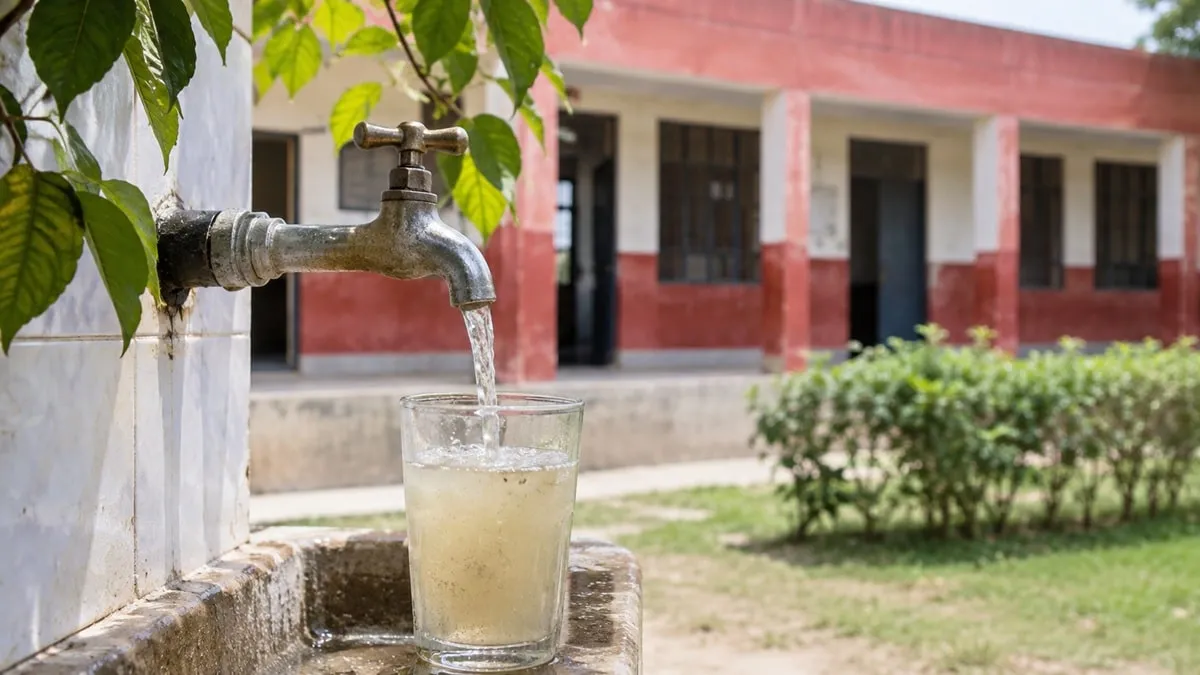
Drinking water at 145 government schools in Punjab's Chiniot district has been found unsafe for students after laboratory tests revealed contamination. The alarming discovery places thousands of young learners at direct risk and highlights severe infrastructure shortcomings within the public education network.
According to a report by the District Research Laboratory, water samples from 145 out of 451 government schools tested across the district failed to meet safety standards. Authorities tested nearly the entire educational facility footprint in the area to evaluate daily consumption safety for children.
Breakdown of Affected Schools by Category
The affected institutions include 36 high schools, 26 elementary schools, and 83 primary schools in different parts of Chiniot. This broad distribution means children of all age groups, from toddlers in primary grades to teenagers approaching graduation, face exposure to hazardous liquid sources daily.
Public school systems across the province rely heavily on groundwater extraction via tube wells and handpumps. When these local water tables become tainted, entire student bodies and teaching staff suffer the consequences without immediate access to alternative hydration sources.
Understanding the Laboratory Testing Parameters
District Research Officer (DRO) Irshad Ahmed said the tests examined several water quality indicators, including color, taste, pH levels, and Total Dissolved Solids (TDS). These metrics form the standard scientific baseline for determining whether liquid is fit for human consumption.
Water color and unusual taste often serve as the first indicators of organic decay or heavy mineral intrusion. Meanwhile, pH levels measure the acidity or alkalinity of the liquid, and abnormal readings can cause severe gastrointestinal distress over prolonged periods of exposure.
Total Dissolved Solids Levels Exceed Safe Limits
He explained that while TDS levels of up to 1,000 are generally considered acceptable, samples from the affected schools recorded levels exceeding 2,000. Total Dissolved Solids comprise inorganic salts and small amounts of organic matter present in liquid, and massive concentrations indicate heavy mineral pollution.
Excessive TDS values can impart a bitter or salty taste to the liquid while containing high concentrations of harmful ions such as potassium, chlorides, and sulfates. Consuming such heavy liquid over months or years damages internal organs and stunts proper physical development in growing children.
Public Health Concerns and Immediate Implications
The findings have raised serious concerns about potential health risks to students consuming drinking water at these schools. Parents, local community leaders, and health advocates are demanding urgent intervention from district authorities to prevent widespread waterborne illnesses.
Ingesting contaminated liquid routinely leads to chronic waterborne diseases, including typhoid, cholera, dysentery, and various forms of hepatitis. Children possess weaker immune systems than adults, making them exceptionally vulnerable to the toxic elements present in the Chiniot school samples.
Background of Water Quality Issues in Punjab
Rural and semi-urban districts in the province often struggle with natural and man-made groundwater degradation. Industrial runoff, agricultural pesticide seepage, and improper sewage disposal regularly compromise shallow aquifers across the region.
Government schools operate with limited operational budgets, making routine maintenance of filtration plants and deep boring systems difficult. Without dedicated funding for water purification units, institutions often rely on untreated groundwater sources that deteriorate over time.
Next Steps and Remedial Measures for Schools
Education and health departments face mounting pressure to supply safe bottled liquid or install functional reverse osmosis plants at the identified campuses. Immediate shutoff notices for hazardous tube wells represent the first step toward securing student safety in the affected areas.
Monitoring agencies must continue testing water supplies across remaining districts to map the full extent of the environmental crisis. Public officials are expected to release comprehensive remediation timelines to replace faulty infrastructure and protect enrolled children from further harm.