Pakistani Rupee Reaches New Milestone Against US Dollar
The Pakistani rupee closed in green against the US dollar for the 275th consecutive day on Tuesday. Market activity showed the local currency settling at 276.71 after gaining one paisa against the US dollar today. This ongoing positive trajectory marks a sustained period of stability for the domestic currency in the foreign exchange market.
Financial analysts monitor these daily shifts closely as the currency maintains its upward trend. The rupee has consistently reported gains against the dollar since December 25, 2025. This unbroken sequence of positive closes represents a notable phase for monetary authorities and market participants tracking foreign exchange rates.
Performance of Other Major Currencies Against the Rupee
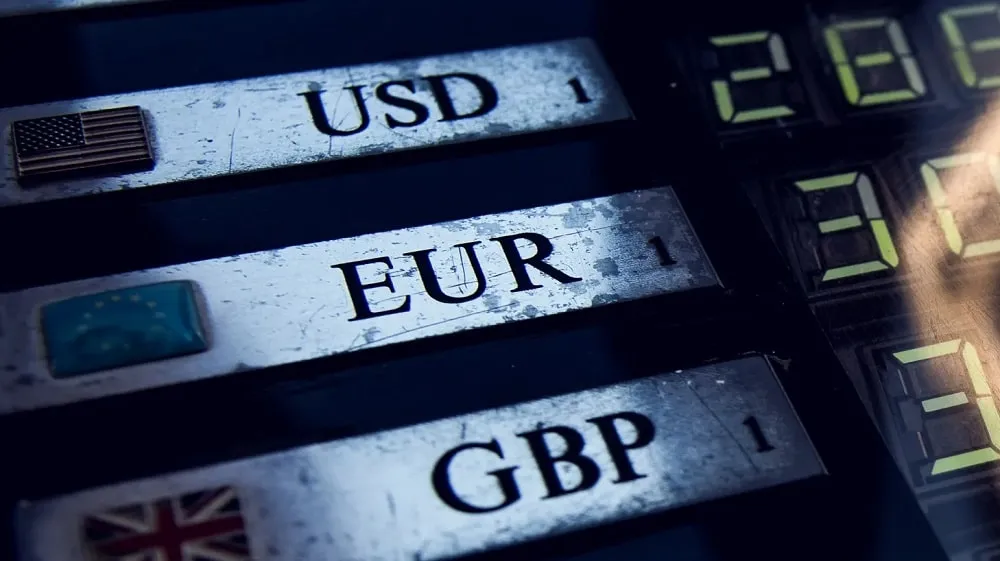
Alongside its movement against the greenback, the Pakistani rupee recorded mixed adjustments against several other global currencies on Tuesday. Currency traders observed gains across multiple key trading pairs during the session. The local currency advanced against both European and Commonwealth currencies.
Specifically, the rupee gained 27 paisas against the British Pound. In addition, it posted a stronger advance of Rs. 1.35 against the Australian Dollar. These movements reflect the broader daily fluctuations of international exchange rates impacting the domestic market.
Gains Against Regional and Global Trading Currencies
Further analysis of the currency sheet reveals additional appreciation for the local unit. The rupee gained 40 paisas against the Euro and one paisa against the Canadian Dollar. These incremental shifts contribute to the wider picture of currency valuation managed by state financial institutions.
Regional currencies also showed movement against the domestic tender. The Pakistani rupee remained stable against the UAE Dirham during the trading session and gained one paisa against the Saudi Riyal. Such stability against Gulf currencies holds importance for trade and remittance flows.
Understanding the Foreign Exchange Market in Pakistan
The foreign exchange market in Pakistan involves the daily buying and selling of foreign currencies against the Pakistani rupee. Authorized dealers, commercial banks, and the central bank participate in setting and stabilizing these rates. Exchange rates fluctuate based on international trade balances, foreign reserves, and market demand.
A sustained winning streak for a national currency typically reflects controlled market interventions and steady foreign exchange inflows. Observers look at export earnings and worker remittances as key drivers behind currency stability. The State Bank of Pakistan oversees these monetary policies to prevent sudden volatility.
Impact of Currency Movements on Imports and Inflation
When the Pakistani rupee gains against major foreign currencies, the cost of importing goods into the country changes. Cheaper imports can help reduce inflationary pressures on essential commodities like fuel, machinery, and raw materials. Consumers often feel the impact through stable or reduced prices in domestic markets.
nConversely, exporters might face challenges when the local currency strengthens, as their international shipments become more expensive for foreign buyers. Policymakers must balance these factors to maintain economic growth. Maintaining a stable exchange rate requires careful management of monetary reserves and foreign debt obligations.
Historical Context of the Rupee Winning Streak
The current period of consecutive gains began on December 25, 2025. Over the course of these 275 days, the exchange rate has undergone incremental adjustments rather than drastic shifts. Such consistent patterns are rare in modern financial markets, drawing attention from economic experts worldwide.
Government officials attribute this steady performance to strict fiscal discipline and structural economic reforms. International financial institutions also review these monetary indicators during routine economic evaluations. The persistence of the trend past the 275-day mark sets a unique benchmark in the financial history of the country.