Balochistan Assembly Rejects Resolution to Abolish Sardari System
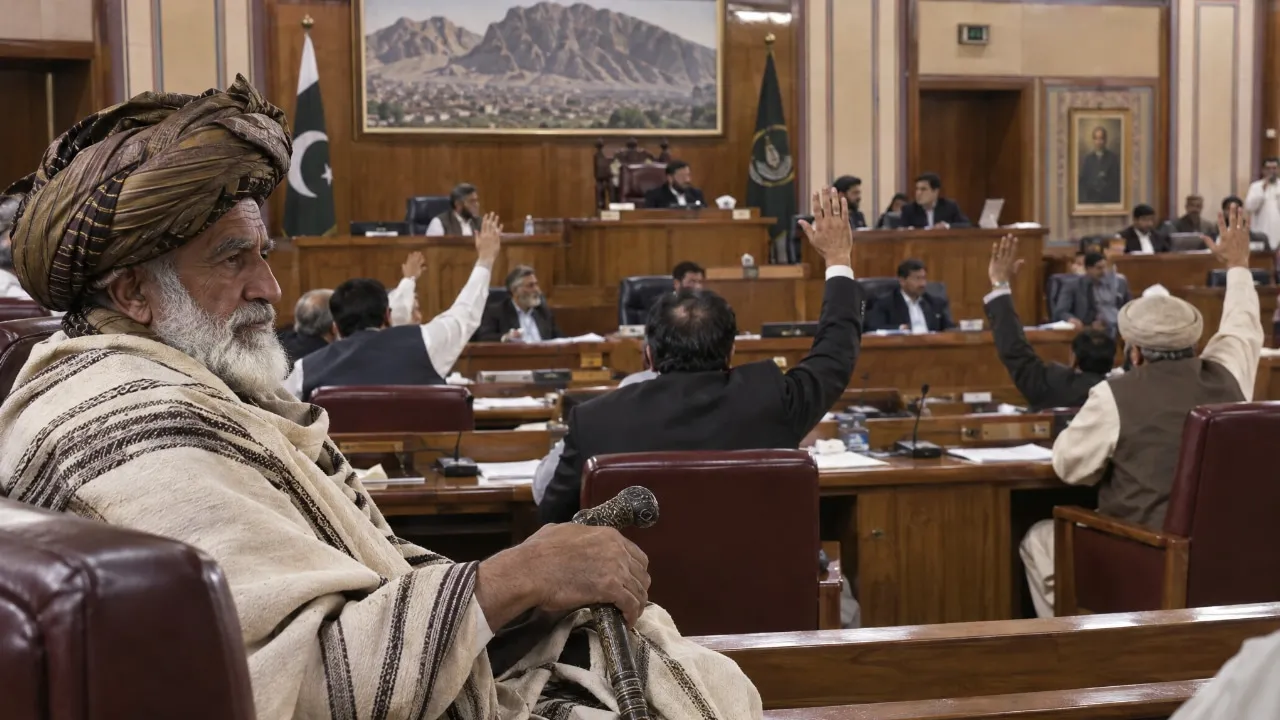
The Balochistan Assembly on Friday rejected a resolution seeking the abolition of the Sardari system and effective implementation of a 1976 law aimed at ending the practice, with six members voting against it and five supporting it. The proceedings took place inside the provincial assembly hall, where lawmakers debated the ongoing existence of tribal chieftaincy practices in the region. The narrow margin of the vote highlights the contentious nature of the tribal system and its enduring role in local governance and society.
The resolution was moved by provincial assembly member Maulana Hidayat ur Rehman during a session of the provincial assembly. Maulana Hidayat ur Rehman presented the motion to draw legislative attention toward the socio-economic challenges faced by residents living under traditional tribal structures. The debate brought forward opposing viewpoints from elected representatives concerning the balance between traditional customs and modern legal frameworks.
Arguments Presented Against the Tribal System
According to the resolution, although legislation to abolish the Sardari system was passed in 1976, unlawful exercise of authority, forced labour and exploitation continued under the system. The text of the motion detailed how traditional power structures persist in exerting influence over daily life in parts of the province. Lawmakers who supported the resolution argued that the existence of these parallel authorities undermines the writ of the state and provincial administration.
It described the Sardari system as contrary to human freedom, dignity and fundamental rights, adding that remnants of the system still existed in some parts of Balochistan. Supporters emphasized that modern democratic governance requires the total eradication of feudal practices that restrict personal liberties. They maintained that true constitutional rights cannot be fully enjoyed by citizens while tribal chieftains retain informal judicial and administrative control.
Impact on Basic Facilities and Access to Justice
The resolution further stated that the system had created difficulties for citizens in accessing justice, education, healthcare and other basic facilities. Traditional tribal dispute resolution mechanisms often bypass formal state courts, leaving vulnerable individuals without legal recourse or fair trials. Residents in remote areas frequently face barriers when trying to use public services due to local interference by tribal elites.
Access to schools and medical clinics has historically been restricted in areas where tribal chieftains control land and local movement. The motion argued that development projects and welfare initiatives sponsored by the government struggle to reach marginalized populations trapped within traditional hierarchies. Citizens often depend on tribal leaders for permissions related to trade, travel, and employment, which limits economic mobility and personal independence.
Call for Monitoring Mechanism and Government Action
The resolution called on the provincial government to ensure effective implementation of the 1976 law and establish a proper monitoring mechanism to oversee its enforcement. Proponents of the motion insisted that passing laws is insufficient without active administrative oversight and police action against violations. A dedicated monitoring body would help document abuses and ensure that local officials enforce state statutes without fear or favor.
It also urged the government to take practical steps in line with the spirit of the law to free the people of Balochistan from feudal and exploitative practices. Lawmakers supporting the measure suggested public awareness campaigns and targeted administrative interventions to protect disadvantaged communities. The call for action stressed the responsibility of the provincial authorities to uphold the constitution across every district without exception.
Background of the System of Sardari Abolition Act 1976
The System of Sardari (Abolition) Act, 1976, was introduced to end the traditional Sardari system and prevent tribal chiefs from exercising unlawful authority over local communities. The legislative measure was designed to dismantle institutionalized feudal dominance that had existed for centuries across various parts of the country. By establishing legal supremacy, the state sought to integrate tribal regions into the mainstream legal and administrative framework.
The Act was passed on May 19, 1976, and published in the Gazette of Pakistan on June 4, 1976. It applies throughout Pakistan and formally abolished the Sardari system, overriding customs and traditions that supported the practice. The legislation served as a definitive legal instrument to strip tribal leaders of state-sanctioned privileges and immunities associated with their titles.
Key Measures and Penalties Under the 1976 Law
Key measures under the law include:
- Abolishing the traditional system of tribal chieftaincy, regardless of local customs or traditions.
- Barring Sardars from exercising judicial powers without legal authority.
- Prohibiting private jails and unlawful arrests and detention.
- Banning forced labour and unauthorised payments.
- Prohibiting Sardars from claiming benefits from tribal land due to their position.
- Punishment of up to three years in prison, a fine of up to Rs10,000, or both, for violations.
The 1976 Act also replaced an earlier ordinance on the abolition of the Sardari system, issued in the same year. This legislative evolution demonstrated the persistent legislative effort by federal authorities to eradicate feudal structures through formal legal channels. Enforcement mechanisms outlined in the statute provided the legal foundation for prosecuting individuals who continue to operate unauthorized parallel systems of justice and detention.





