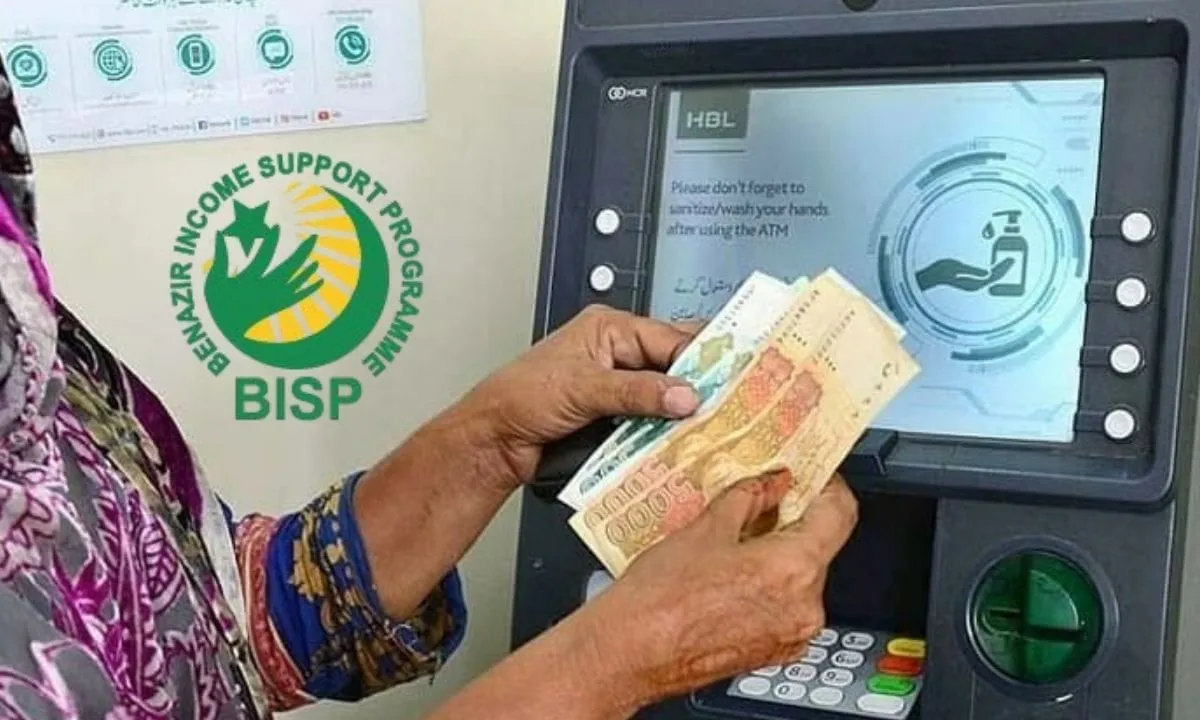
The Benazir Income Support Programme (BISP) has introduced an interoperable payment system that allows women beneficiaries across Pakistan to receive financial assistance through any of six participating banks and financial institutions.
What Is the New Interoperable Payment System?
The system lets beneficiaries choose from Habib Bank Limited (HBL), HBL Microfinance Bank, Easypaisa, JazzCash, Bank Alfalah and Bank of Punjab for the disbursement of their cash assistance. The first instalment under the arrangement began this week, marking the operational start of a model designed to replace the single-bank, cash-voucher method used since BISP's inception.
Why Was the Change Needed?
Historically, BISP payments were routed through a limited set of banks, often creating long queues at branch offices, especially in rural districts where women travel long distances to collect aid. The new system aims to reduce waiting times, eliminate unauthorised deductions, and increase transparency. By giving beneficiaries a choice of channel, the programme hopes to strengthen financial inclusion for women who have traditionally been excluded from formal banking.
How Does the System Work?
Under the interoperable framework, BISP's central disbursement engine sends a digital credit to the beneficiary's chosen account or mobile wallet. The six participating institutions have integrated their core banking or mobile money platforms with the BISP system through an Application Programming Interface (API) approved by the State Bank of Pakistan (SBP). Once the credit is posted, the beneficiary receives an SMS notification with a reference number and balance details.
Beneficiaries can then withdraw cash at any ATM of the chosen bank, use a point-of-sale terminal, or transfer the funds to another account. The system records each transaction in real time, allowing BISP to monitor distribution patterns and flag irregularities.
Who Was Involved in the Launch?
To mark the launch, BISP Chairperson Senator Rubina Khalid met State Bank of Pakistan Governor Jameel Ahmad to discuss implementation of the new payment mechanism and its future roadmap. BISP Additional Secretary Dr. Ismat Nawaz also attended the meeting. Khalid thanked the State Bank for its guidance and support in developing the digital banking system and onboarding the six payment partners.
What Does This Mean for Women Beneficiaries?
Senator Khalid said the system would allow women beneficiaries to access assistance through their preferred banking channels. She reaffirmed BISP's commitment to strengthening financial inclusion and ensuring transparent and dignified delivery of assistance. The ability to receive funds directly into a bank account or mobile wallet reduces the need for women to travel with cash, lowering security risks and preserving personal dignity.
Impact on Transparency and Accountability
Because each transaction is logged electronically, BISP can generate audit trails for every disbursement. This reduces the opportunity for unauthorized deductions by intermediaries, a problem that has been documented in earlier cash-voucher schemes. The digital record also facilitates quicker reconciliation for the programme's finance team and provides data that can be used to assess geographic coverage and gender-based outcomes.
Background on BISP and Financial Inclusion Efforts
Launched in 2008, BISP is Pakistan's largest social safety-net programme, targeting poor households with cash transfers, primarily to women. Over the years, the programme has disbursed billions of rupees to millions of families. In parallel, the State Bank of Pakistan has been promoting digital payments and financial inclusion through its "Financial Inclusion Strategy" which encourages banks to open low-cost accounts for women and to expand mobile money services.
The six institutions selected for the interoperable system represent a mix of traditional banks (HBL, Bank Alfalah, Bank of Punjab) and mobile-money providers (Easypaisa, JazzCash) that have already built large networks of agents in urban and rural areas. Their participation reflects a broader policy push to integrate formal and informal financial services.
Implementation Timeline and Next Steps
The first instalment has already been processed through the six partners. BISP officials say the system will be fully operational for all scheduled payments by the end of the current fiscal quarter. Ongoing coordination meetings with the State Bank and the partner institutions will address any technical glitches, user-experience issues, and capacity-building needs for field staff.
Future phases may include adding more banks and fintech firms, extending the system to cover other vulnerable groups, and integrating biometric verification to further reduce fraud. The programme will also monitor beneficiary feedback through a toll-free hotline and periodic surveys.
Practical Takeaways for Beneficiaries
- Beneficiaries should contact their local BISP office to confirm which bank or mobile wallet has been assigned to them.
- Once the first instalment is credited, an SMS will confirm the amount and provide a reference number.
- Cash can be withdrawn at any ATM of the chosen bank or at authorized mobile-money agents.
- Beneficiaries can switch channels for future instalments by informing BISP in writing.
What to Watch For
Analysts will be looking at the speed of transaction processing, the number of beneficiaries who successfully receive payments without delays, and any reported cases of technical failure. The State Bank has pledged to release quarterly performance reports, which will include data on transaction volumes, error rates, and beneficiary satisfaction.
Stakeholders will also monitor whether the system reduces the incidence of unauthorised deductions, a metric that has been a focus of parliamentary oversight committees in recent years.
Overall, the interoperable payment system represents a concrete step toward modernising Pakistan's social protection delivery and aligning it with global best practices for digital cash transfers.