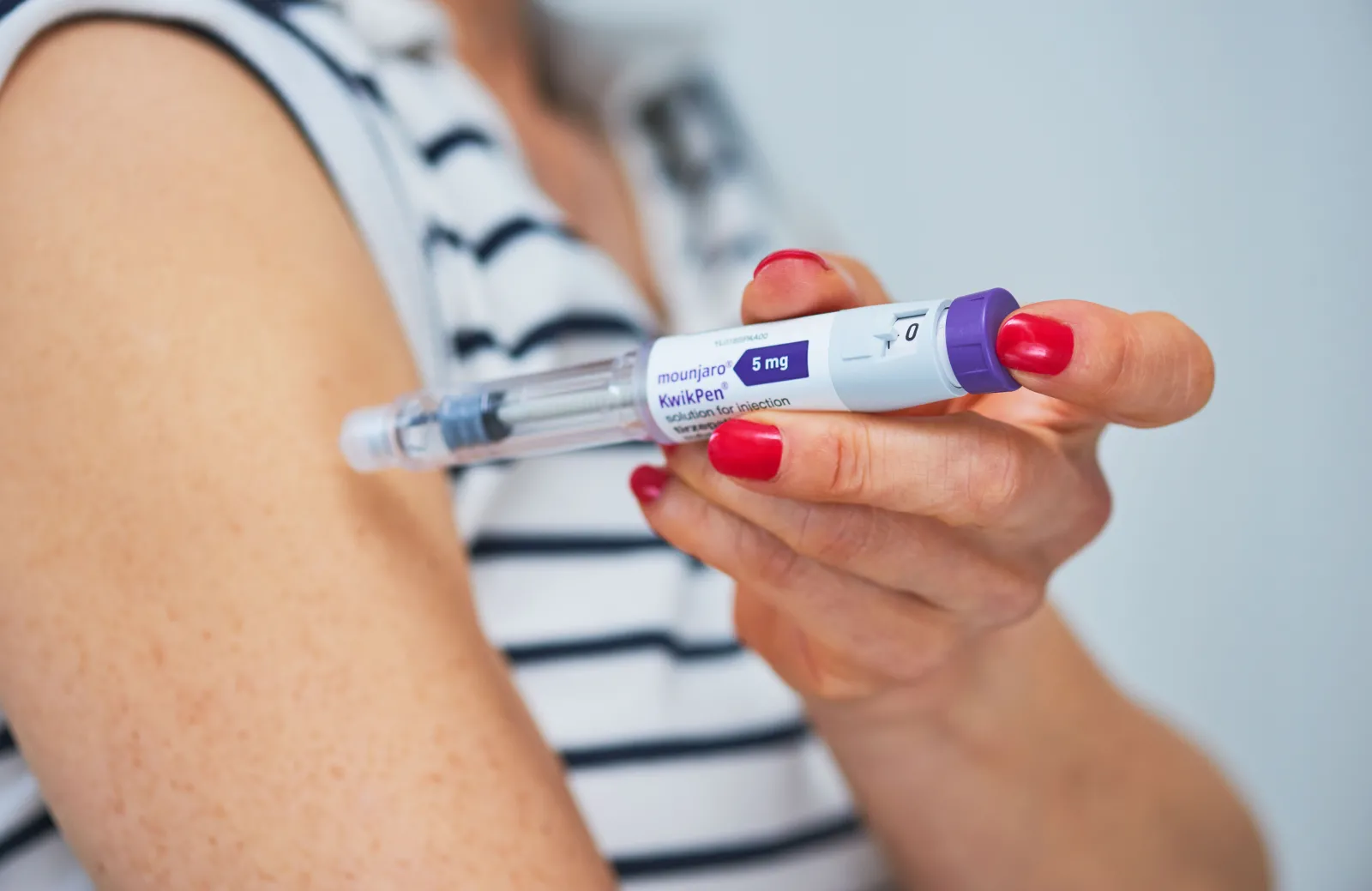
Britain now has more households with someone on fat jabs living there than it has vegetarian homes, according to a poll.
What the poll found
Worldpanel by Numerator surveyed 9,629 households and estimated that at least one person is using a GLP-1 weight-loss drug in 8.5 per cent of homes. The same poll said the figure is equal to the number of households where someone is vegetarian, 5.5 per cent, or is a pescatarian, who eats fish and veg but not meat, which is three per cent.
The poll added that about one in nine users of the medicines take pills rather than jabs. It also warned that the popularity of the drugs is expected to exceed ten per cent of homes by next year.
Background on GLP-1 medicines
GLP-1 (glucagon-like peptide-1) drugs were originally developed to treat type-2 diabetes. In the last few years, pharmaceutical companies have marketed higher-dose formulations for obesity management. The most widely known brands are semaglutide and tirzepatide, sold as injections and, more recently, as tablets.
Clinical trials have shown that GLP-1 agonists can reduce appetite, lower calorie intake and produce average weight loss of 10-15 per cent of body weight when combined with lifestyle advice. The UK's National Health Service began prescribing the injectable form for severe obesity in 2022, and the tablet version was launched in the summer of 2024.
Why the surge matters for the food market
Katharine Jenner, of the Obesity Health Alliance, said the growing use of GLP-1 medicines is already influencing what foods people buy and could have significant implications for the food industry. The poll reported that users are spending less on crisps and alcohol and more on clothes and cosmetics.
Analysts suggest that reduced demand for high-calorie snack foods could pressure manufacturers to reformulate products or shift marketing spend toward low-calorie alternatives. At the same time, increased disposable income on non-food items may benefit retailers in fashion and personal-care sectors.
Comparison with vegetarian and pescatarian households
The Vegetarian Society estimates just over three million people in the UK are veggie or vegan, which translates to roughly 5.5 per cent of households being vegetarian. Pescatarian households add another three per cent. Together, vegetarians and pescatarians account for about 8.5 per cent of homes, the same share now recorded for GLP-1 users.
Sir Paul McCartney and Romesh Ranganathan are cited as public figures who have shunned meat and fish, while fictional character Hippie Neil from the 1980s BBC sitcom The Young Ones is mentioned as a famous fictional veggie. These cultural references underline the long-standing visibility of plant-based diets, now being matched by a medical-driven approach to weight loss.
Potential health implications
GLP-1 drugs are praised for their effectiveness in reducing weight and improving metabolic markers such as blood sugar and cholesterol. However, experts caution that the medicines do not address broader social determinants of diet and health. Jenner warned, "While these medicines will support some individuals, they do not change broader factors that influence diet and health. Access to affordable, nutritious food remains important for all."
The Vegetarian Society added that once users stop the medication after reaching a target weight, appetite and cravings often return. It recommends a balanced plant-based diet to sustain weight loss without reliance on drugs.
Who is using the drugs and how
Figures suggest more than 2.6 million people currently take weight-loss injections or pills and a similar number have used them in the past. About one in nine of those users prefer pills over injections, reflecting the recent availability of tablet formulations.
Users tend to be adults with a body-mass index (BMI) above 30, the threshold for clinical obesity treatment in the UK. The NHS criteria require documented attempts at lifestyle change before prescribing GLP-1 therapy, though private prescriptions have also risen.
What to watch next
The poll predicts that by next year more than ten per cent of UK households will have at least one GLP-1 user. Observers will watch NHS prescribing data, private market sales, and any regulatory guidance on long-term safety.
Industry bodies are likely to monitor shifts in food-category sales and may lobby for clearer labelling of products aimed at low-appetite consumers. Consumer groups will continue to call for transparent pricing and equitable access to the medicines.
For now, the data points to a rapid cultural shift: a medical weight-loss solution has become as common in British homes as vegetarian and pescatarian diets combined.