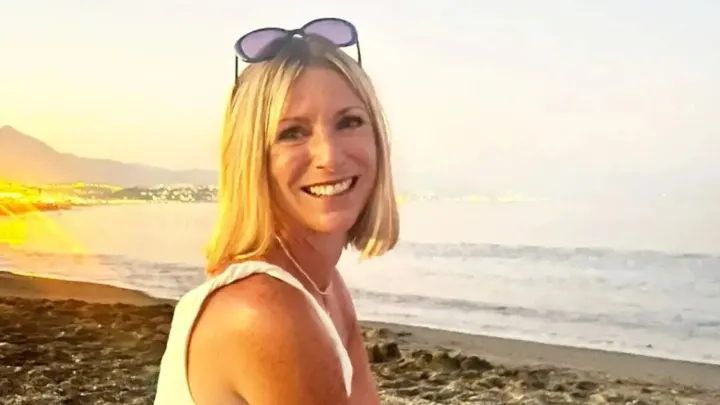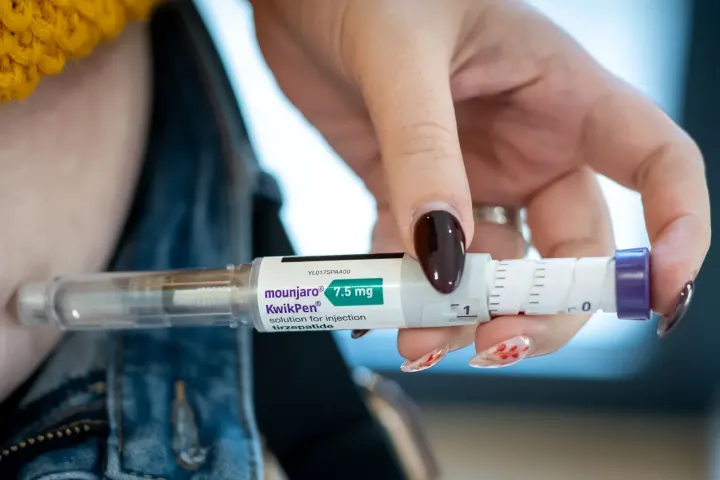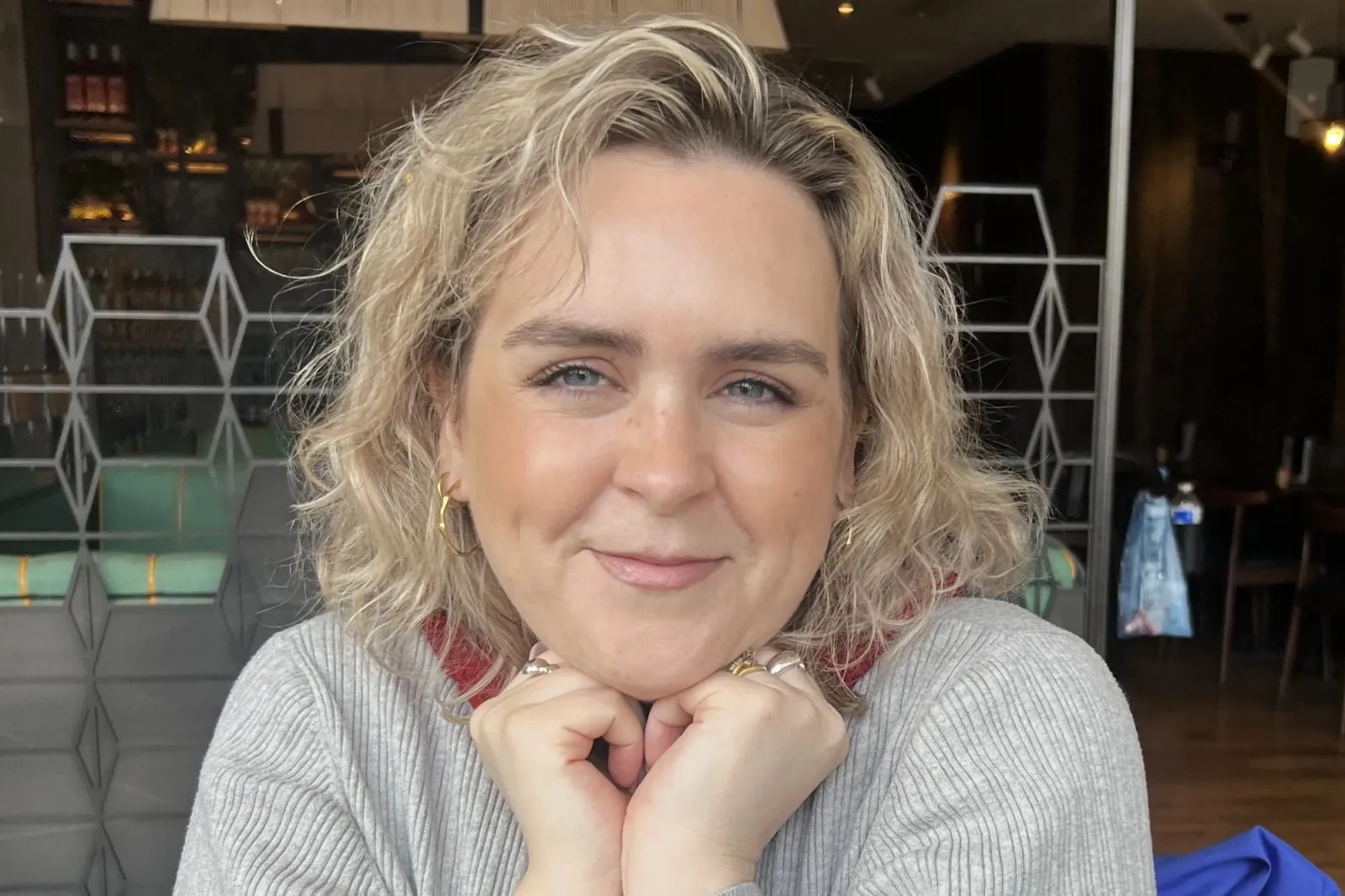
Brittany Pay went from walking and running normally to barely being able to stand, due to an excruciating pain in her leg. The baffled 37-year-old had suffered no obvious injuries to explain the sudden agony, but her general practitioner still dismissed it as a strained knee. Months later, the comedian was diagnosed with incurable cancer.
The failure to catch the condition early left her facing stage four metastatic cancer that spread to her bones, liver, and brain. Her story highlights the challenges young women face when bodily symptoms are overlooked by medical professionals who assume serious illnesses only affect older populations.
How the Pain Began and Doctors Dismissed It
Brittany saw her doctor just four days after the pain began in her leg. Despite needing to take a taxi to make the 10-minute journey, Brittany said her general practitioner appeared reassured by the lack of swelling around her knee and did not initially believe there was anything seriously wrong.
She recalled finding the appointment incredibly frustrating because the lack of swelling seemed to reassure the doctor it was a strain, even though she could barely walk. When she could barely stand to leave, they questioned whether it was really that bad. She felt she had not explained just how dramatically her life had changed in four days.
She kept trying to find a reasonable explanation, but there had not been an accident or injury. She tried resting, stretching, heat, and cold, but nothing made a difference. The pain was not behaving like an ordinary strain, and she knew something was not right. The pain was centred around her knee but extended both up and down her leg, and it was frightening to go from being able to walk normally to struggling to put weight through her leg almost overnight.
The Turn to A and E and Stage Four Diagnosis
Brittany continued to suffer as her condition worsened, and she was eventually referred to a knee surgeon. She noted that she had not even thought about cancer until she saw a private knee surgeon that her general practitioner referred her to, and he said he did not think it was cancer, though she was shocked he even brought it up. By November, she was deteriorating further.
In December 2023, Brittany went to accident and emergency, where scans revealed a tumour measuring around 11cm in her right thigh bone. They also found lesions on her spine, ribs, and pelvis. The night before she eventually went to accident and emergency because she was hospitalised, she had an overwhelming feeling that she was dying. She explained that something inside her was telling her that she needed help urgently.
Brittany was told she had stage four metastatic cancer that had in fact started in her breast. She had previously attended a breast clinic three times between January 2021 and May 2023 after discovering a lump in her breast. She said the lump was only scanned during her first appointment before being dismissed, and she believes the lump should have been investigated further, though she later discovered it may have been too small to identify during her first ultrasound.
Understanding Metastatic Breast Cancer Symptoms
Metastatic breast cancer occurs when breast cancer cells spread to other parts of the body. They can spread through the lymphatic system or blood stream. Some general symptoms that breast cancer may have spread include feeling constantly tired, constant nausea, and unexplained weight loss and loss of appetite.
It can cause specific symptoms if it spreads to the bones. These include pain in your bones, which does not get better with pain relief and may be worse when lying down or at night, as well as bone fractures. Other signs are unexplained back pain, difficulty walking, numbness, and loss of bladder or bowel control.
Patients may also experience feeling sick and being sick, fatigue, passing large amounts of urine, confusion, and being thirsty, which may be signs of high levels of calcium in the blood. This information is provided by Breast Cancer Now.
Major Surgeries and Physical Toll
She has since undergone multiple rounds of treatment, radiotherapy, and major surgery on both legs. Her right femur was so badly damaged that surgeons had to remove a significant portion of her thigh bone and replace it with a metal implant, along with her knee.
She also underwent surgery on her left femur in June 2026, where surgeons inserted a metal nail to strengthen the bone after cancer weakened it. Becoming disabled has honestly been harder for her to process than she ever expected, but she does not want to minimise what living with stage four cancer is like either.
Having both experiences happen together has been horrific. You are trying to come to terms with the fact that you have an incurable illness, while also navigating an entirely new life in which you can not walk, travel independently, or do many of the things you previously took for granted.
Coping With Disability and Incurable Illness
Cancer has taken an enormous physical toll, and disability has changed how she experiences the world. She has had to grieve the life she thought she would have while simultaneously trying to build a new one.
She had to move house because she could not manage the stairs, she lost her ability to work, and she became dependent on other people for things she had always done independently. Now, Brittany is living with incurable cancer, which has spread to her bones, liver, and brain, and is preparing to begin her fifth treatment with the drug Enhertu.
Living with incurable cancer can feel like existing somewhere between life and death. She does not personally like to use the word terminal for herself because she still wants to fight, and she hopes there are treatments that can give her more time. She does not know how many more treatments will be available to her, but she knows she will keep going for as long as there are options, stating that she has a life worth fighting for and wants to keep building it.
Warning Others About Dismissed Symptoms
Now, she is warning others to look out for signs of breast cancer. She wants people, particularly young women, to understand that breast cancer does not only happen to older women.
If something does not feel right, keep pushing for answers. Ask questions, ask for things to be investigated properly, and get a second opinion if you are not satisfied.
You know your own body, and you should not feel that you are being difficult or dramatic by asking for help.