Why Young Breast Cancer Patients Face Diagnostic Delays
When Ariba Karim suddenly noticed a lump in her breast in September after months of sharp chest pain, she knew immediately that something was seriously wrong. The 32-year-old booked to see a private GP the following day, initiating a terrifying personal medical ordeal that highlights the hurdles younger patients often encounter when seeking timely diagnoses for serious illnesses. Despite presenting with physical symptoms and a palpable lump, she was shocked to be told they didn't think it was anything to worry about because she was under 40.
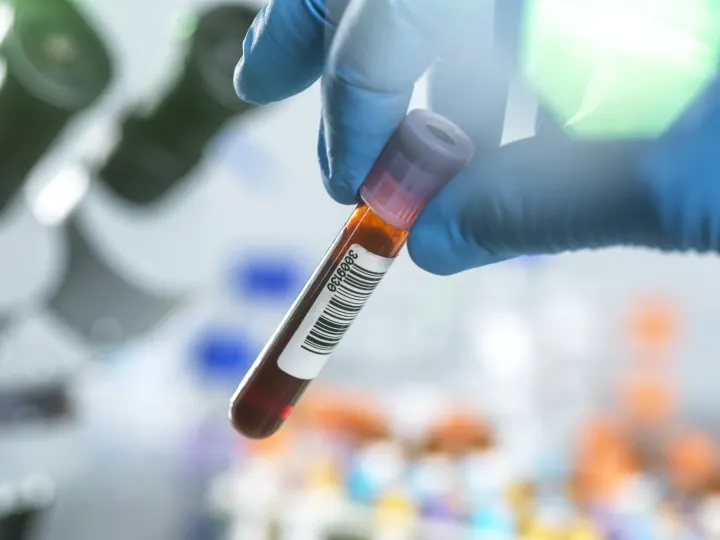
Diagnosed instead with an infected cyst, Ariba who is from Ashford in Kent, but is now living in Northern Ireland, was prescribed antibiotics and painkillers. Still worried by her symptoms she returned to the GP and requested a red flag cancer referral, meaning she would receive further testing on the NHS within two weeks. However, she claims the doctor refused to do this and offered her an urgent referral instead, which she was told had a wait time between 30 and 40 weeks. Unwilling to wait nearly a year for answers while her health deteriorated, Ariba took matters into her own hands and paid more than £3,000 to have a biopsy and mammogram done privately two days later on September 3.
The Devastating Impact of a Grade Three Cancer Diagnosis
To her devastation, scans showed that cafe owner Ariba had breast cancer. Last month, Ariba started the first of six rounds of chemotherapy to treat the grade three cancer, which means that it is fast-growing and requires aggressive medical intervention. Recalling her terrifying ordeal, she said she feared she could have been dead had she listened to the initial dismissal from the medical practitioner.
Ariba detailed the consultation, stating that the private GP had a look at the lump and said he did not think it was anything to worry about because she is under 40. She recounted crying in the office and explaining how worried she felt, but the doctor reiterated that because she is under 40 it is rare to have cancer. He thought it was a cyst so he gave her antibiotics and painkillers, refused a red flag referral, and offered an urgent NHS referral with a wait of 30 to 40 weeks, though he stated he was happy enough to provide a private referral when asked.
Following the biopsy and mammogram taken at a private clinic two days later on September 3, she faced an agonizing wait for her results. Two weeks after that, she received the devastating diagnosis that she had breast cancer. Ariba described the waiting period as absolute hell, noting that when the consultant told her the news, her dad put his arms around her and she just burst into tears because she could not believe what she was hearing. She explained that she never thought it was going to happen to her, feeling as though her whole life had been taken away in an instant after paying £3,000 just to be told that she had cancer.
Unexplained Symptoms Preceding the Discovery
Ariba had been experiencing chest pain and unexplained bruising since June 2026, prior to finding the lump in her breast. She experienced daily breast pain in her right breast, which was the one that ultimately developed the cancer. The sensation manifested as a sharp, stabbing pain or sometimes a dull ache that would last half a minute, alongside a notable instance where it continued for half an hour.
While she initially thought it might just be hormonal related to her period, the daily recurrence signaled a deeper issue. She also suffered from bruises all over her legs and arms while experiencing extreme fatigue and sleeping a lot. She initially suspected an iron deficiency, but later realized her body was simply exhausted from fighting the aggressive tumour.
Signs of Breast Cancer and the Importance of Screenings
Recognizing the warning signs of breast malignancy remains crucial for early intervention and effective treatment outcomes. Signs and symptoms of breast cancer include a lump or swelling in the breast, upper chest, or armpit, a change to the skin such as puckering or dimpling, and a change in the colour of the breast where it may look darker, red, or inflamed. Other indicators involve nipple changes such as inversion, rash or crusting around the nipple, unusual liquid discharge from either nipple, and changes in the size or shape of the breast.
On its own, pain in your breasts is not usually a sign of breast cancer, but patients should look out for pain in the breast or armpit that is present all or almost all the time. Thousands of women may be living with undetected breast cancer after missing screening appointments, as the NHS warned that about a third of eligible patients did not accept the free test offer last year. Figures show that was just over one million people, and 2.2 million have missed an appointment in the past three years, with an estimated one in 100 women diagnosed with cancer after screening.
In 2023 there were 18,942 tumours detected out of 1.93 million women screened for breast cancer, but a further 1.05 million women who were invited did not attend. The one per cent detection rate means there were potentially 10,000 missed cases across the healthcare system. Routine screening is generally offered to women every three years between the ages of 50 and 71, when their risk naturally increases, with scans carried out in local clinics, hospitals, and roving scan vans. Women who have had a mammogram should still check their breasts regularly.
What Comes Next in Ariba Karim's Treatment Journey
Ariba has now started what will hopefully be the first of six rounds of chemotherapy, after which doctors will evaluate whether the tumours are fully gone, or if she will require surgery to remove them. One of the things that brought her to tears upon receiving her diagnosis was the terrifying thought of what might have happened if she had listened to the private GP, taken the antibiotics, and dismissed the symptoms entirely. She emphasized that she genuinely could have died and that the cancer could have progressed to stage four without her intervention.
Ariba is now urging other women to check their breasts regularly and to fiercely advocate for themselves within healthcare settings. She noted that women get dismissed all the time and stressed that women are given a strong intuition for a reason, which is basically survival. Her advice is that if something does not feel right, people should follow their gut, check their breasts every week, or at least every month to understand what they normally feel like. She also warned others not to ignore breast pain and to remain aware that it is a sign requiring medical attention. The GP involved has been contacted for comment.
Broader Context of Breast Cancer in the UK
The statistical reality of breast cancer underscores why vigilance and rapid diagnoses are so vital for patients across the country. One in seven women in the UK are diagnosed with breast cancer in their lifetime, equating to around 56,000 new cases a year and making it the second most common cancer in the UK. Nearly 1,000 people die from the disease every month in the UK, with the condition claiming around 11,500 women and 80 men each year. Early detection significantly increases the chances of treating the cancer effectively, whereas delayed diagnoses can severely impact survival rates. For instance, around 30 per cent of women diagnosed with stage four breast cancer survive more than five years after their initial diagnosis, highlighting why catching fast-growing tumours like grade three cancer at the earliest possible stage remains paramount.