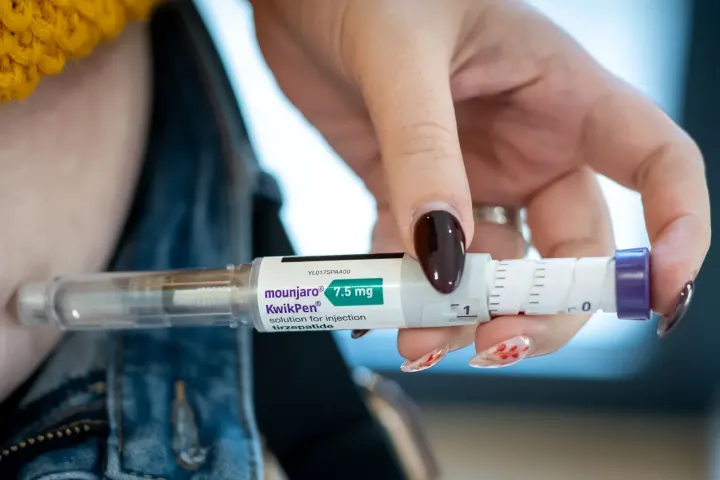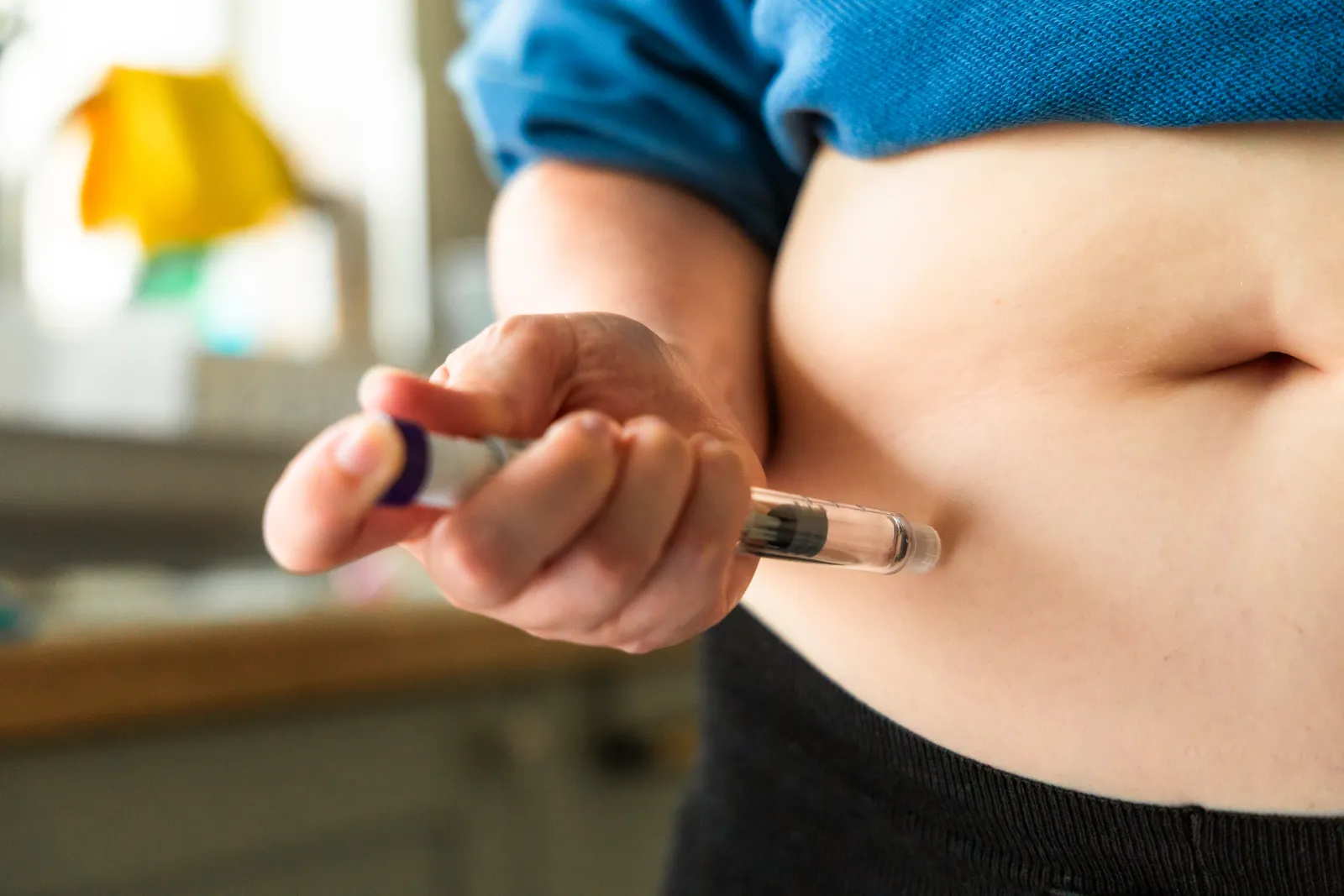
Researchers in the United States have found that women using GLP-1 weight-loss injections - commonly known as "fat jabs" such as Ozempic and Wegovy - experience an increase in mammographic breast density after at least one year of treatment, a factor traditionally linked to higher breast-cancer risk.
The study, presented at the Radiological Society of North America (RSNA) annual meeting in Chicago, analysed 107 women aged 34 to 79 who had lost between 2.7 kg and 48.5 kg while on the drugs. Results showed that 63 % of participants moved up at least one Breast Imaging Reporting and Data System (BI-RADS) density category, and that greater weight loss correlated with larger density increases.
What the Study Found
Each participant underwent two mammograms: one before starting GLP-1 therapy and another after a minimum of one year on the injections. Radiologists used automated software to assign BI-RADS density categories, which range from almost entirely fatty tissue (category A) to extremely dense tissue (category D). The researchers then compared the before-and-after images for changes in density, skin and trabecular thickening, and overall breast size.
Key findings include:
- Breast density increased in the second mammogram for the majority of women.
- 65 of the 104 women with usable data (almost 63 %) shifted up at least one BI-RADS category.
- Weight loss magnitude was positively associated with density increase.
- Breast-size reduction was observed in 57.9 % to 78.5 % of participants, while skin thickening appeared in 9.3 % to 17.8 %.
- The screening recall rate was 22.4 %, meaning that over one-fifth of women required additional imaging after the follow-up mammogram.
- Four biopsies were performed; all yielded benign results, and the remaining recalled cases were also benign or negative.
Why Breast Density Matters
Breast density refers to the proportion of fibroglandular tissue relative to fatty tissue in the breast. Higher density can mask tumors on mammograms, making cancer harder to detect, and epidemiological data from Cancer Research UK indicate that dense breast tissue is an independent risk factor for breast cancer.
Dr Eva C. Gombos, a diagnostic radiologist at Brigham and Women's Hospital in Boston and lead author of the study, cautioned that an increase in density after substantial weight loss does not automatically translate into higher cancer risk. She said, "An increase in mammographic density after substantial weight loss does not necessarily mean that... breast cancer risk has increased. The long-term risk implications of these imaging changes remain uncertain and require further study."
How GLP-1 Injections Work and Their Popularity in the UK
GLP-1 receptor agonists, marketed under names such as Ozempic (semaglutide) and Wegovy (higher-dose semaglutide), mimic the gut hormone glucagon-like peptide-1 to reduce appetite and increase insulin secretion. Since their approval for type 2 diabetes, they have been repurposed for obesity management, prompting a surge in prescriptions.
Estimates suggest that over 2 million Britons are currently using these injections for weight loss, reflecting their rapid adoption in the UK weight-loss market. While clinical trials have shown average weight reductions of 10-15 % of body weight, real-world data indicate a wide range, as reflected in the study's participants (2.7 kg to 48.5 kg loss).
Potential Implications for Breast-Cancer Screening
The 22.4 % recall rate observed in the study is notable because all recalled cases ultimately proved benign. Dr Gombos explained that rapid changes in breast composition after weight loss can create new asymmetries or calcifications that trigger additional work-up, even when no malignancy is present.
Screening programmes may need to consider recent significant weight loss as a factor when interpreting mammograms. Radiologists could adjust their thresholds for recall or employ supplemental imaging such as ultrasound or MRI in women who have lost large amounts of weight on GLP-1 therapy.
Contrasting Findings from Other Research
Earlier research published in May suggested that GLP-1 injections might actually lower breast-cancer mortality by up to 65 % in overweight or diabetic patients, citing a "potential association" between the drugs and improved outcomes. A separate June analysis presented at the American Society of Clinical Oncology meeting reported that several studies, including one from the University of Pennsylvania, observed a 30 % reduced risk of breast cancer among women using the injections.
These seemingly contradictory results highlight the complexity of interpreting observational data. While weight loss itself is associated with lower estrogen levels and reduced insulin resistance, both protective against certain cancers, the imaging changes reported by Dr Gombos may reflect a shift in tissue composition rather than an increase in absolute cancer risk.
What Patients and Clinicians Should Do Now
Given the current evidence, experts advise women on GLP-1 therapy not to discontinue treatment out of fear of increased cancer risk. Instead, they should inform their radiology team about any significant weight loss before a scheduled mammogram.
Clinicians can use the study's findings to counsel patients on the possibility of a higher recall rate and the need for additional imaging, emphasizing that the vast majority of recalls in this context have been benign.
What Comes Next: Ongoing Research and Monitoring
The authors plan to follow the cohort for longer periods to assess whether the observed density changes persist, revert, or translate into measurable differences in cancer incidence. Larger, multi-centre studies with control groups not using GLP-1 agents are also needed to isolate the effect of the drugs from weight loss itself.
Regulatory bodies such as the UK Medicines and Healthcare products Regulatory Agency (MHRA) and the US Food and Drug Administration (FDA) have not issued specific guidance on mammographic screening for patients on GLP-1 therapy, but the emerging data may prompt future recommendations.
In the meantime, women considering or already using Ozempic, Wegovy, or similar injections should continue routine breast-cancer screening according to national guidelines, while maintaining open communication with their healthcare providers about any substantial changes in weight or body composition.