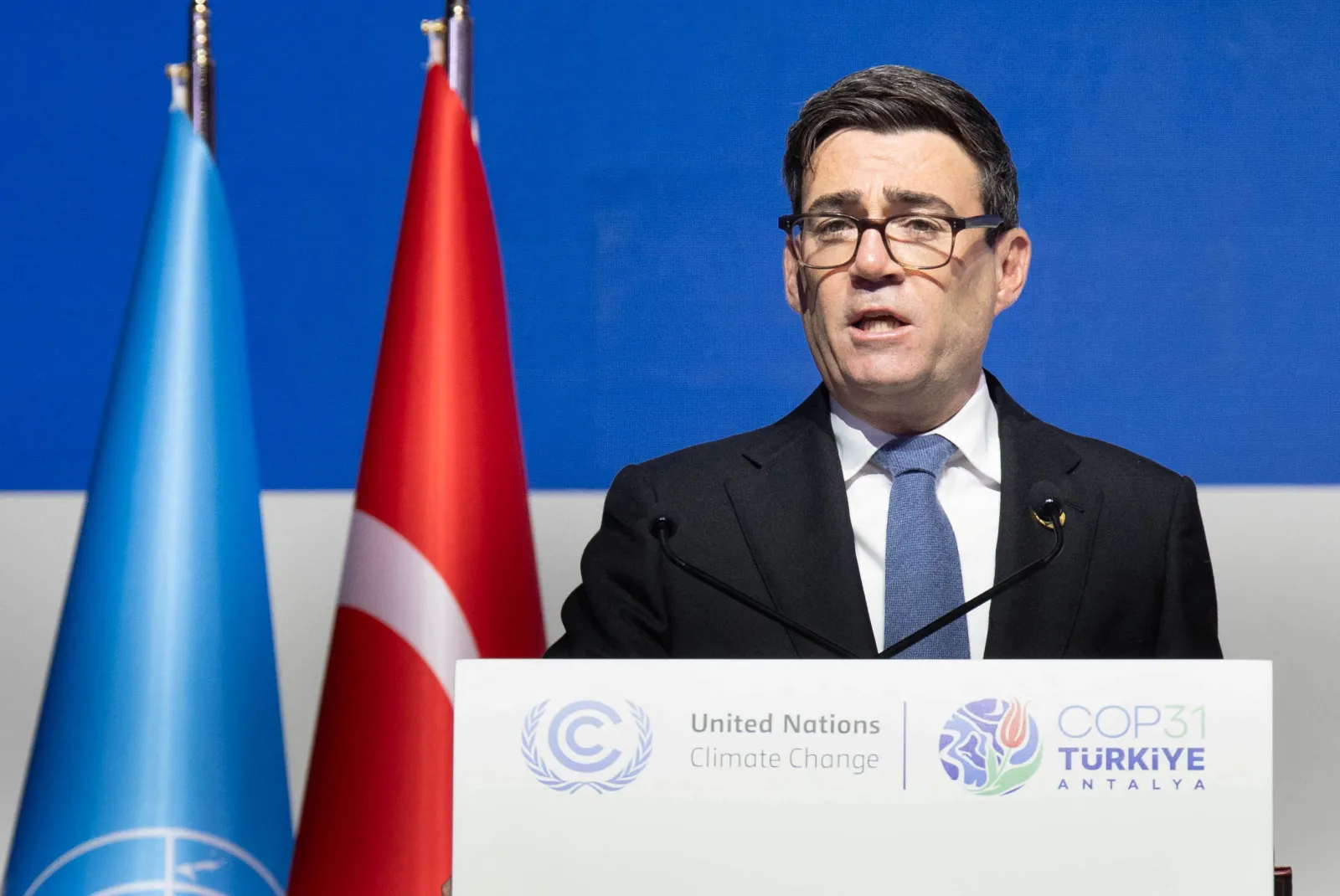
ANDY Burnham is under pressure to save Freeview after a poll found nearly eight in ten Brits want it protected until at least 2044.
The Government is considering switching off the TV service in 2034 - potentially leaving millions of households who rely on aerials in the lurch.
Now 79 per cent of Brits want a guarantee written into the BBC's new Charter to keep Freeview on air for another two decades, according to the poll by Strand Partners for the Broadcast 2040+ campaign.
And nearly seven in ten say leaving its future hanging in the balance would show ministers are out of touch with ordinary people.
Almost three quarters believe switching off the service would be unfair on those who rely on it, particularly older people and households without broadband.
The findings are a boost for The Sun's Save Our Sets campaign to stop Freeview being axed.
And they ramp up pressure on the PM to protect the service as ministers prepare to unveil the BBC's new rulebook before Christmas.
Mr Burnham has already admitted he is "concerned" about the prospect of Freeview being switched off.
He told MPs in September the BBC Charter renewal could be an opportunity to look at the issue.
The current Charter expires at the end of 2027, with the Government weighing up whether to pull the plug on terrestrial television in 2034 or extend it until 2044.
A campaign spokesman said: "The public could not be clearer and are crying out for Burnham to sort this out.
"They want the future of Freeview settled in the BBC Charter, and they want the answer to be 2044."
Dennis Reed, director of Silver Voices, also warned: "For millions of older people the TV that comes through Freeview is their company, their news and their link to the outside world."
What is Freeview and why does it matter?
Freeview is the United Kingdom's free-to-air digital terrestrial television platform. Launched in 2002, it replaced analogue broadcasts and gave viewers access to a range of public-service channels, including BBC One, BBC Two, ITV, Channel 4 and Channel 5, without a subscription fee.
The service reaches about 95 % of UK households, delivering over 70 channels and a growing portfolio of on-demand and interactive services. Crucially, it works with a simple aerial and a digital set-top box or a TV with an integrated tuner, making it the most affordable way for many people to watch television.
How the BBC Charter influences Freeview's future
The BBC Charter is a ten-year statutory framework that sets out the corporation's public-service obligations, funding model and governance structure. The current Charter runs until the end of 2027. When it is renewed, the government can embed new provisions that affect how the BBC delivers its services, including the operation of Freeview.
Because the BBC owns the multiplexes that carry the free-to-air channels, any decision to discontinue the terrestrial platform would need to be reflected in the Charter. That is why campaigners are urging a specific clause that guarantees Freeview's continuation until at least 2044.
Why the government is considering a 2034 switch-off
Policy officials argue that the television landscape is rapidly changing. Broadband-based streaming services now command a large share of viewing hours, and the cost of maintaining the terrestrial network is rising. A 2034 shutdown has been floated as a way to redirect resources toward digital innovation and to align the BBC's public-service remit with modern consumption habits.
Critics, however, point out that a significant portion of the population, especially older adults, low-income households and residents in rural areas, still depend on Freeview as their primary source of news, entertainment and emergency information.
Who stands to lose if Freeview is turned off?
According to the Strand Partners poll, almost three quarters of respondents believe a switch-off would be unfair to those who rely on the service. The most vulnerable groups identified are:
- Older people who may lack digital skills or the financial means to subscribe to broadband.
- Households without reliable broadband access, particularly in remote or economically disadvantaged regions.
- People who use television as a lifeline for news, health information and social connection.
Dennis Reed, director of Silver Voices, highlighted the emotional impact, saying the TV "is their company, their news and their link to the outside world."
What the poll reveals about public sentiment
The poll, commissioned by Strand Partners for the Broadcast 2040+ campaign, asked a representative sample of British adults about the future of Freeview. The key findings are:
- 79 % want a guarantee in the BBC Charter to keep Freeview on air until at least 2044.
- Nearly 70 % say that leaving the service's future undecided would make ministers appear out of touch.
- Almost 75 % consider a potential shutdown unfair to older people and households without broadband.
These numbers provide a clear mandate for policymakers and have already been cited by The Sun's "Save Our Sets" campaign as evidence of widespread public opposition to any plan to discontinue the service.
What Minister Andy Burnham has said so far
Andy Burnham, the Secretary of State for Culture, Media and Sport, has acknowledged the issue. In September, speaking to MPs, he described the BBC Charter renewal as "an opportunity to look at the issue." He also said he is "concerned" about the prospect of Freeview being switched off.
While he has not yet committed to a specific clause in the upcoming Charter, Burnham's remarks indicate that the matter will be debated in the forthcoming parliamentary session and that he is aware of the political pressure.
What comes next: timeline and next steps
The government plans to publish the draft BBC Charter before Christmas. That document will set the parameters for the next ten years, including any provisions related to Freeview.
After the draft is released, there will be a statutory consultation period, typically lasting eight weeks, during which stakeholders, including campaign groups, industry bodies and the public, can submit comments.
Parliament will then debate the Charter in the new year, and a final version is expected to be signed into law before the current Charter expires at the end of 2027. If a clause protecting Freeview until 2044 is included, it would legally bind the BBC to maintain the service for another two decades.
Practical advice for households that rely on Freeview
For viewers who depend on Freeview, the poll's outcome suggests that immediate action is not required, but staying informed is prudent. Households should:
- Check that their aerial and set-top box are in good working order.
- Consider upgrading to a newer digital tuner if the current equipment is more than ten years old.
- Monitor announcements from the Department for Culture, Media and Sport and the BBC regarding the Charter.
These steps will ensure that, should any policy shift occur, viewers are ready to adapt without losing access to essential programming.
Why the issue matters for the wider media landscape
Freeview's fate is not only a question of access for vulnerable groups; it also signals how the UK will balance public-service broadcasting with commercial and streaming alternatives. A decision to keep the service until 2044 would reaffirm the government's commitment to universal, free television, while a move toward an earlier shutdown could accelerate the transition to an internet-centric media ecosystem.
Stakeholders across the industry are watching the debate closely, as the outcome will affect advertising revenue, spectrum allocation and the future of public-service content delivery.