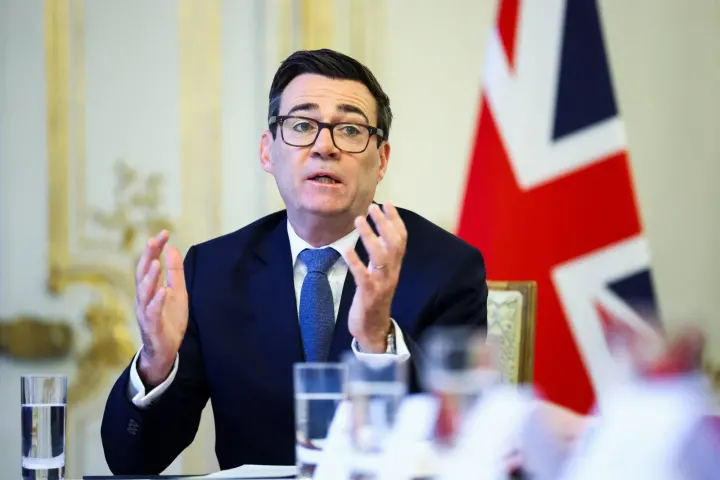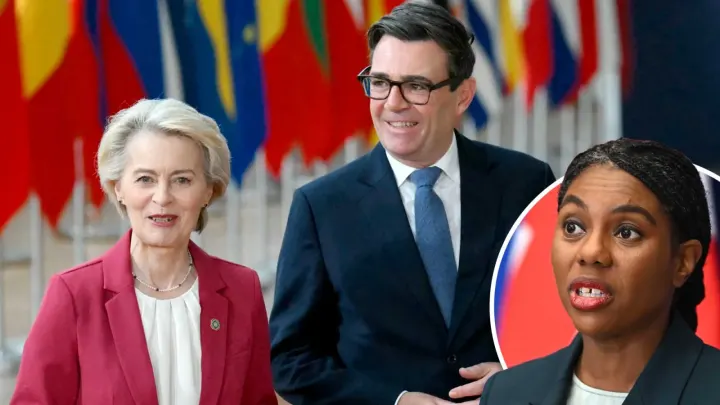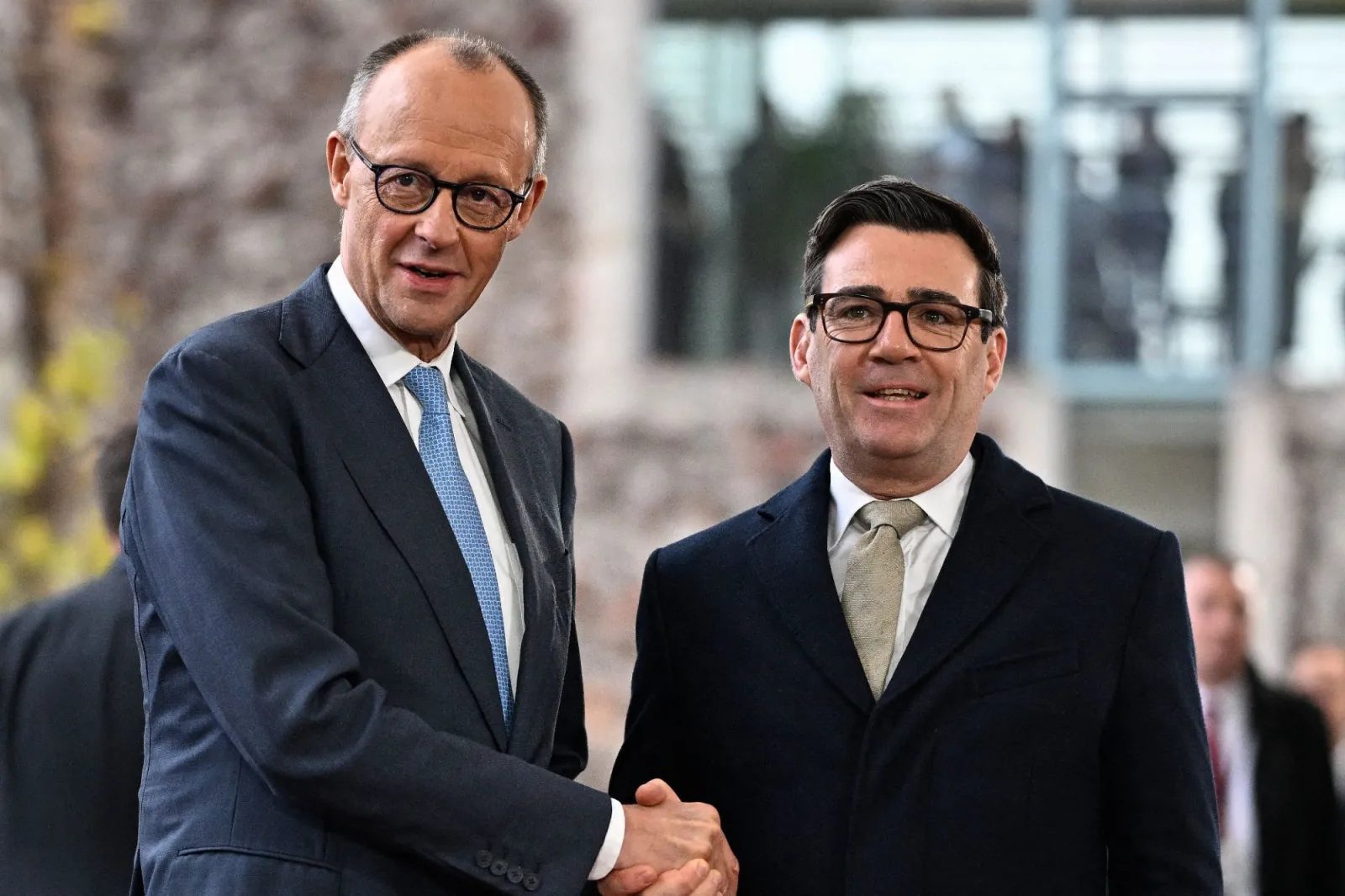
Prime Minister Andy Burnham is set to sign a surrender deal in Brussels today, a move that critics say hands the EU £570 million for a student exchange scheme while imposing new red-tape rules on British businesses.
The deal, negotiated behind closed doors, is being described by opponents as a one-sided bargain that benefits the EU more than the United Kingdom.
What the Deal Contains
The agreement includes a payment of £570 million for a single year of the EU's student exchange programme. Under the terms, European students will receive reduced tuition fees at UK universities, while the UK will bear the cost of the scheme.
In addition, the deal extends EU regulatory frameworks to all UK businesses, regardless of size or export activity. This means that a local butcher who has never exported a product will be subject to the same compliance requirements as multinational corporations that trade across borders.
Why Critics Say the Deal Favors the EU
Opponents argue that the financial contribution and regulatory alignment give the EU a stronger foothold in UK policy. They point to a compensation clause that would require the UK to pay Brussels if a future government chooses to withdraw from any part of the agreement.
Hamish Falconer, the minister leading the negotiations, has acknowledged that the UK will have a voice in EU decision-making bodies but will not have a vote. Critics say this arrangement leaves Britain without real influence over rules that will affect its economy.
Background to the Surrender Summit
Burnham's government has spent the autumn campaigning on the promise that Brexit had not worked and that re-joining the EU was a long-term goal. The summit in Brussels was scheduled to coincide with the deadline for a post-Brexit settlement, putting pressure on the Prime Minister to secure an agreement before returning to the UK.
Historically, the UK's departure from the EU in 2020 involved a lengthy negotiation process that resulted in a trade deal covering goods, services, and regulatory alignment. Since then, successive governments have grappled with the economic fallout, including supply-chain disruptions and a rise in the number of young people classified as NEET (not in education, employment, or training).
Explainer: EU Student Exchange Scheme
The EU's student exchange programme, known as Erasmus+, enables students from member states to study abroad for short periods. Funding is provided by the EU to cover tuition differences, travel costs, and administrative fees. Under the new UK agreement, the UK will fund the scheme for one year at a cost of £570 million, allowing EU students to study at British universities at reduced rates.
Impact on UK Businesses and Citizens
Small and medium-size enterprises (SMEs) are likely to feel the immediate impact of the extended EU regulations. Compliance costs, reporting requirements, and potential product standards changes could increase operating expenses for firms that have previously operated under UK-only rules.
For the education sector, the influx of EU students at lower tuition fees may affect university revenue models, especially in institutions that rely heavily on international tuition fees to fund research and facilities.
On the labour market, the deal's provision to bring in additional young workers from Europe is seen by critics as a response to the NEET crisis, which currently affects almost a million young people in the UK.
What Comes Next?
After the summit, Burnham has said he will outline further options for deepening ties with the EU. Observers expect the government to release a detailed policy paper within the next two weeks, outlining how the compensation clause will be managed and what additional regulatory alignments may be proposed.
Stakeholders, including business groups and civil-society organisations, have called for a parliamentary debate on the deal's terms before any legislation is enacted. The next scheduled session of the House of Commons is expected to include a motion for such a debate.
Practical Takeaways for Readers
UK citizens and businesses should review the upcoming changes to compliance requirements, especially if they operate in sectors that are heavily regulated at the EU level, such as food safety, pharmaceuticals, and data protection.
Students considering study abroad options may benefit from lower tuition fees for EU programmes, but should also be aware of the broader political debate surrounding the funding arrangement.
For voters, the deal underscores the importance of scrutinising how post-Brexit agreements affect public finances and regulatory sovereignty.
Responses from Politicians and Campaigners
Burnham's opponent in Makerfield, who campaigned on a promise to keep the UK away from further EU integration, has accused the Prime Minister of breaking his election pledge. "We were told the UK would not be dragged back into endless arguments about Brexit," the opponent said.
The campaign group Stay Out, formed to oppose further EU entanglement, released a statement saying, "Brussels may have played Burnham, but they will not play the rest of us."
David Lammy, former Foreign Secretary, warned that a full re-entry into the EU could cost the UK £750 million a week, a figure that would dramatically increase the financial burden on the British taxpayer.
Overall, the deal has sparked a fresh debate about the balance between economic cooperation with Europe and the preservation of UK legislative autonomy.