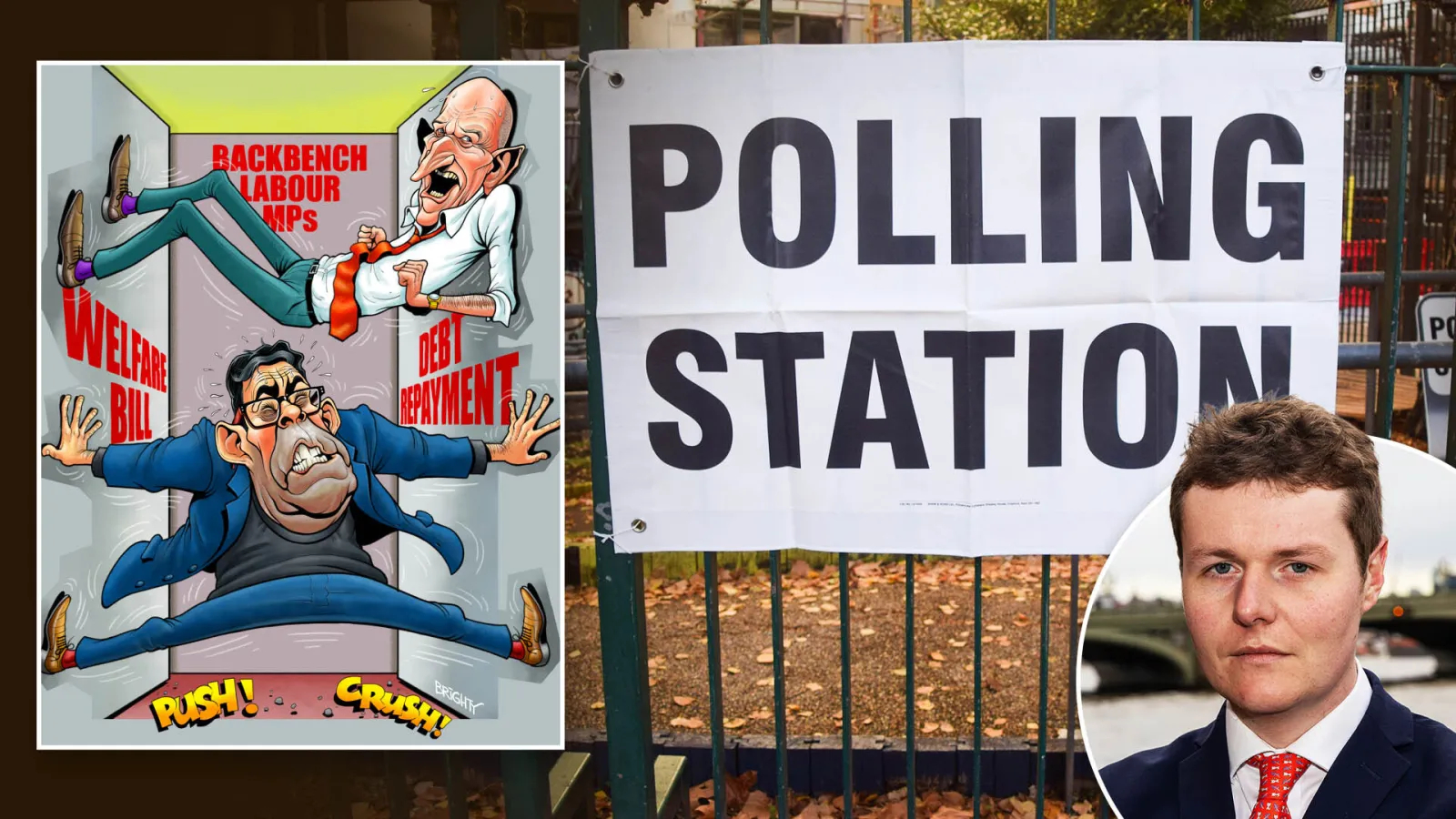
HAVE we all been too quick to mock the humble gherkin?
Chancellor John Healey promised cheaper pickles, a claim that drew such ridicule it could have toppled a jar.
Despite the jeers, a Treasury official messaged me after the Budget and polls indicate the public actually liked the idea.
YouGov reported that the modest tariff reductions on imported foods, including gherkins, ranked fourth among the speech's most popular measures.
Only the decisions to scrap standing charges on gas bills, freeze fuel duty and extend the zero-percent VAT on electricity beat it.
It placed just ahead of proposals to prolong business rates relief, raise the minimum wage and grant a £100 one-off energy bill boost to 20 million families.
Should we be surprised that voters approved these policies?
Or is it simply the expected result when a nation accustomed to state-handouts receives more cash this winter?
As the saying goes, a Budget resembles a pint of milk - what smells fine at night can turn sour by morning.
Immediately after the Chancellor's final flourish, analysts and accountants began dissecting the plans like a pack of famished hyenas.
They pore over the fine print into the early hours and usually uncover a few landmines by breakfast.
Last week, however, they discovered something worse: an almost empty cupboard for tackling the hard issues.
The Budget was so bland it became offensively inoffensive.
Our mounting debts, expanding welfare state, strained tax system, aging defenses and slipping living standards were left untouched.
Prime Minister Andy Burnham did not shy from admitting the Budget was not dramatically radical - a comment I hear more than I hear his neighbour at No 11.
What do we make of a leader who vowed to overturn four decades of neoliberalism yet only cut 4p off gherkins?
Many in Westminster see a simple answer - he is gearing up for an early General Election.
The theory runs like this: a series of pressure points will force the people-pleaser PM to make unpopular choices.
Even if he acts, the dire state of the UK's finances means conditions will likely worsen before they improve.
Thus he delivers a first Budget packed with giveaways to boost his popularity while postponing the tough bits.
Then, boom - he calls a snap election, secures a full five-year term, and can finally prescribe the country's harsh medicine.
With the Tories and Reform split, and the Greens and Lib Dems stagnant, striking now could give Burnham the mandate he seeks.
Reviving debates on Brexit and electoral reform might even reunite left-wingers who left the party under Sir Keir Starmer.
Burnham will, of course, deny plotting a snap poll.
The moment he hints at an election, he will have no choice but to follow through or be labelled a bottler.
Hence it is wiser to wait for the most favorable moment to strike.
Any denials will quickly fade in the heat of a campaign, especially if it launches around Christmas.
That is the current speculation circulating in Westminster.
Whether it becomes reality is another matter.
There are reasons for Burnham to hesitate. The clearest obstacle is that victory is far from assured.
Labour currently leads the Conservatives and Reform by six points, but such gaps often narrow during a campaign.
The PM will have to abandon his TikTok comfort zone and face televised debates against formidable foes.
Nigel Farage is a seasoned speaker and Kemi Badenoch has bested him in several Commons clashes.
In over 100 days, Burnham's media team has allowed only two televised press conferences.
What could the PM actually sell to voters? Securing a mandate would likely require breaking the tax constraints inherited from Starmer.
"Vote for me and I'll hike your taxes" is hardly a winning slogan and would struggle alongside promises for social care or defence.
Even if he survives the campaign trail, Burnham is almost certain to lose MPs.
No one expects him to surpass Starmer's 2024 landslide, and a recent poll suggested he might forfeit his majority altogether, forcing a chaotic coalition with the Lib Dems, Greens and Nats.
It would be a huge gamble for a prime minister who has spent nearly two decades chasing the top job - and one that may prove too risky.
The next few months leading up to Christmas should clarify Burnham's thinking.
The strength of immigration reforms this week will indicate how much control he wields over his party.
His reaction to two welfare reports due this month will also show whether he is serious about addressing the benefits crisis and how quickly.
A long-promised ten-year plan will outline a blueprint for Burnham's Britain.
How much of it will require a fresh mandate will be telling.
Despite his efforts, the gherkin-class hero struggles to silence the election chatter.
In truth, he appears to be in a bit of a pickle.